
Notifications
Clear all
Hainan Pet Corner
1
Posts
1
Users
0
Reactions
466
Views

Topic starter
17/11/2025 12:38 pm
It's one of the most essential - yet often overlooked - steps to keeping your pet safe. Parasites can significantly affect your pet's health.
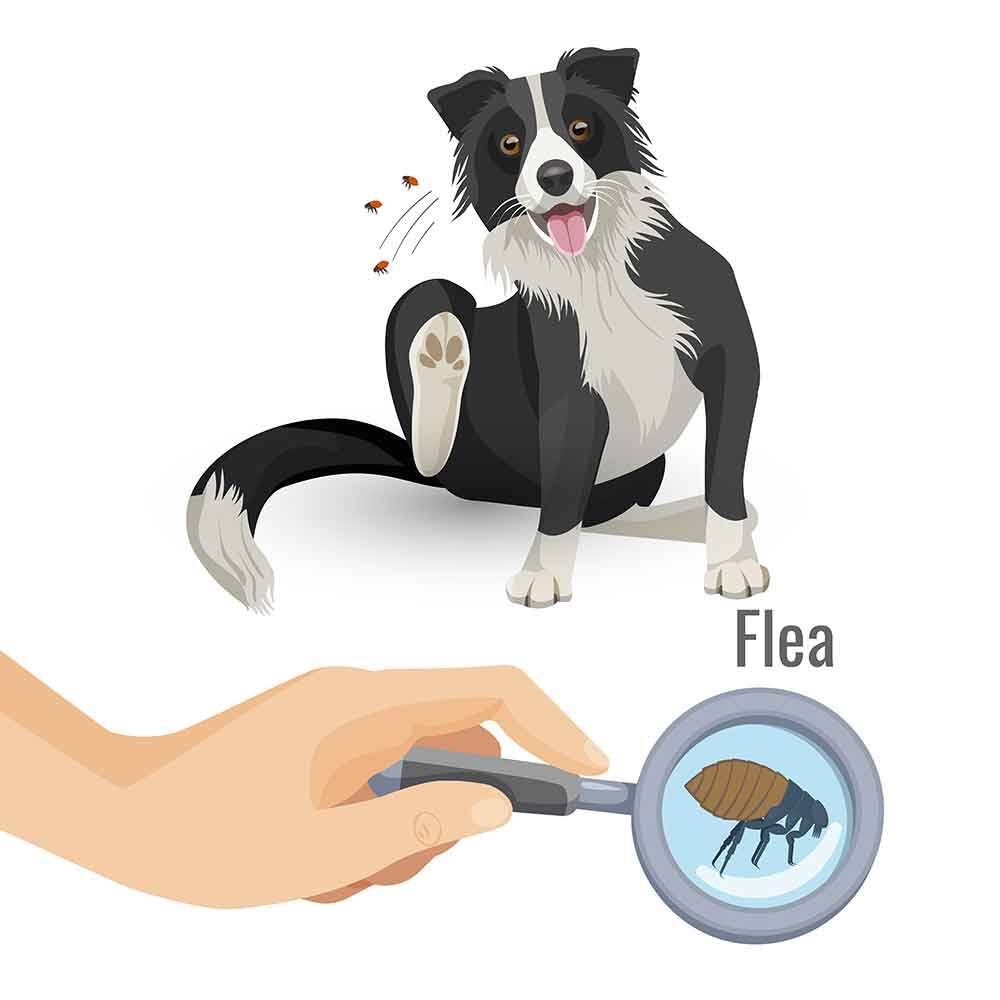
FLEAS
Their bites can lead to severe skin inflammation, hair loss, and secondary infection.
Fleas can also carry tapeworms, which pets may ingest while grooming, leading to intestinal infections.
In addition, pets can develop anemia from a severe flea infection.
TICKS
When attached to your pets they can transmit several dangerous diseases. While feeding, ticks can also release a toxin that causes paralysis.
HEARTWORMS
They are transmitted to your pets by mosquitoes causing potential fatal effects. Once inside the body, heartworm lavae mature and settle in the heart, lungs, and blood vessels, causing progressive damage. Growing worms can cause coughing fatigue, weight loss and difficulty breathing. Advanced heartworm disease can cause heart failure, organ damage, and death.
INTESTINAL PARASITES
Intestinal worms such as roundworms, hookworms, whipworms, and tapeworms feed on nutrients or blood in the digestive tract, leading to diarrhea, vomiting, and weight loss.
intestinal worms can cause anemia, malnutrition, and intestinal blockage.
In addition, roundworms and hookworms can be sptead to humans.
Consult your veterinarian regarding whether to use oral or topical treatments according to your pet's age, health, lifestyle, and any specific regional risks.
Stick to a regular schedule to apply or administer the medication. 4-6 weeks apart.
Beware when ordering online as it could be fake goods using a brand's trademark often made with low-quality materials.
This topic was modified 4 months ago by Home for Angels Pet Sanctuary
This topic was modified 4 months ago by Patrick Quinn
Jobs in Hainan