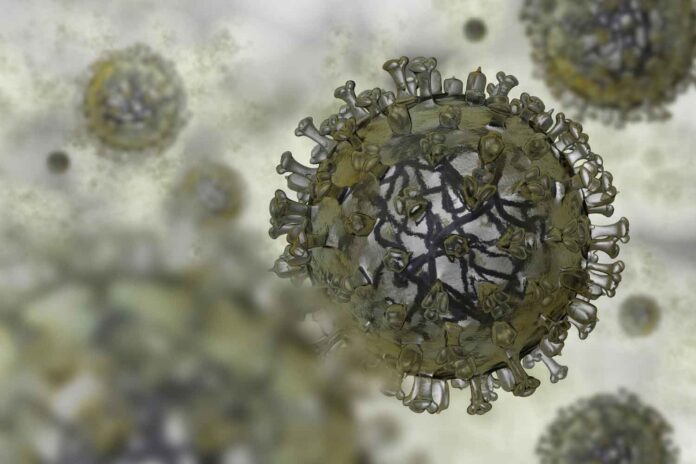
In recent days, China’s customs and public health authorities have issued travel health reminders after reports of Nipah virus infections in India.
These notices are not suggesting an outbreak in China. They are precautionary guidance for people traveling to, or returning from, areas where cases have been reported, especially for a disease that can be severe and requires early medical attention.
The reminder comes at a time when cross-border travel is expected to increase around the Spring Festival holiday.
So what is Nipah virus? Why are officials paying attention now?
Nipah virus (NiV) is a rare but serious zoonotic virus, meaning it can spread from animals to humans, and in some situations, from person to person.
It was first identified during an outbreak in Malaysia in 1998–1999 and belongs to the Henipavirus genus within the Paramyxoviridae family. Since then, outbreaks have been reported mainly in parts of South and Southeast Asia, particularly Bangladesh and India.
Key facts at a glance
- Natural reservoir: Fruit bats (flying foxes)
- Other hosts involved in some outbreaks: Pigs, horses, and humans
- How it spreads: Animal-to-human, foodborne exposure, and close human-to-human contact
- Severity: Reported case fatality has varied widely; commonly cited ranges are about 40–75%, depending on the outbreak and healthcare context
- Vaccine or specific cure: None currently approved
You may see references to different genetic lineages (often described as “Malaysia” and “Bangladesh” lineages). What matters for most readers is that clinical patterns can vary by outbreak, and some outbreaks have shown more respiratory involvement and clearer person-to-person spread, especially in healthcare or household settings.
How Nipah Virus Spreads
People can become infected in several documented ways:
- Direct contact with infected animals
Especially bats or pigs, or exposure to their bodily fluids. - Contaminated food
Fruit or drinks that may have been contaminated by bat secretions (for example, fruit eaten directly from trees or food not properly cleaned). - Close contact with infected people
Typically through exposure to bodily fluids or respiratory secretions—most often in caregiving or healthcare settings.
Because of these routes, outbreaks are more likely where there is:
- Close contact between humans and animals
- Food hygiene risks
- Intense caregiving environments (homes or hospitals)
Symptoms and Disease Progression
The incubation period is usually 4–14 days, though rare longer periods have been reported.
Early symptoms can include
- Fever
- Headache
- Muscle aches
- Sore throat
- Fatigue
Severe illness may involve
- Encephalitis (brain inflammation), with confusion or reduced consciousness
- Seizures
- Severe respiratory illness, including breathing difficulty
- In critical cases, coma
Some survivors experience long-term neurological effects, and a small number of cases have been reported with delayed or relapsing encephalitis later on.
Why Nipah Virus Is in the News Now
According to public reporting by Indian authorities and international coverage, a limited number of Nipah virus cases were recently confirmed in eastern India (West Bengal), including a healthcare-related link mentioned in official summaries.
Even when case numbers are small, health systems take Nipah seriously because:
- It can be severe
- Close-contact transmission has occurred in some outbreaks
- There is no approved vaccine and no specific, proven antiviral cure
In response, authorities typically focus on:
- Case isolation
- Contact tracing
- Infection-control measures in healthcare settings
- Public health reminders for travelers
In the same context, China’s customs and health authorities issued travel reminders emphasizing awareness, hygiene, and reporting symptoms during border health checks.
China’s public messaging has also emphasized that no Nipah cases have been detected domestically as of the latest official updates, while maintaining vigilance about the possibility of imported infectious diseases.
What China’s Travel Health Reminder Means in Practice
China’s guidance is best understood as a prevention checklist for travelers, especially those heading to, or returning from, areas reporting cases.
The key points are straightforward:
- Pay attention to official updates for your destination
- Avoid contact with bats, pigs, and sick animals (and their fluids)
- Avoid eating fruit that could be contaminated; wash and peel fruit carefully
- Avoid close contact with people who are ill
- Maintain good hand hygiene
- If you develop symptoms such as fever, sore throat, cough, or headache during travel or after return, seek medical care promptly and truthfully report travel history
- If symptomatic during entry/exit procedures, cooperate with health screening and declarations
This is standard cross-border public health practice: the goal is early detection and reduced exposure, not panic.
Is There Any Treatment or Vaccine?
At present:
- ❌ No approved vaccine
- ❌ No specific antiviral drug proven and approved for Nipah
Care is mainly supportive, including:
- Close monitoring
- Respiratory support if needed
- Management of neurological complications
Nipah virus is rare, but it can be serious, which is why even small clusters attract attention from health authorities. The current headlines reflect heightened vigilance and routine public health precautions, not an emergency.
For travelers, the message is simple:
Stay informed, reduce avoidable exposure risks, and seek medical care promptly if symptoms appear, especially after travel.
Related article: Travelling by Train in China? You Can Now Send Your Luggage Ahead