Notifications
Clear all
Travel — Visiting & Exploring Hainan
1
Posts
1
Users
1
Reactions
520
Views

Topic starter
Hainan has plenty of obvious places to visit, beaches, rainforests, old streets and the larger provincial museums.
But scattered around the island are some much smaller museums devoted to subjects you probably would not expect: tropical seeds, old railway locomotives, shells, antique cameras, historic coins and even coconut carving.
Some are substantial collections. Others are the kind of small local museum you might combine with a day trip rather than cross the island specifically to see.
Here are six worth knowing about.
Last checked: September 2026. Admission prices below are those currently published by the Hainan Provincial Government. Opening arrangements for some of the smaller museums are not consistently published online, so check before making a special journey.
1. Ding’an Seeds Museum九所种子博物馆
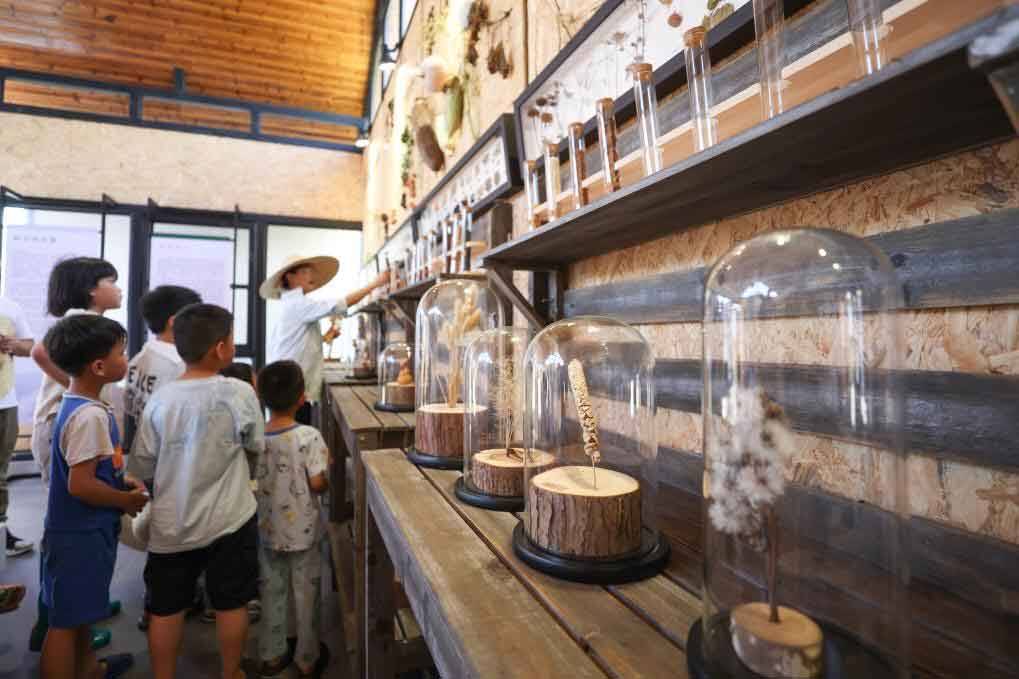
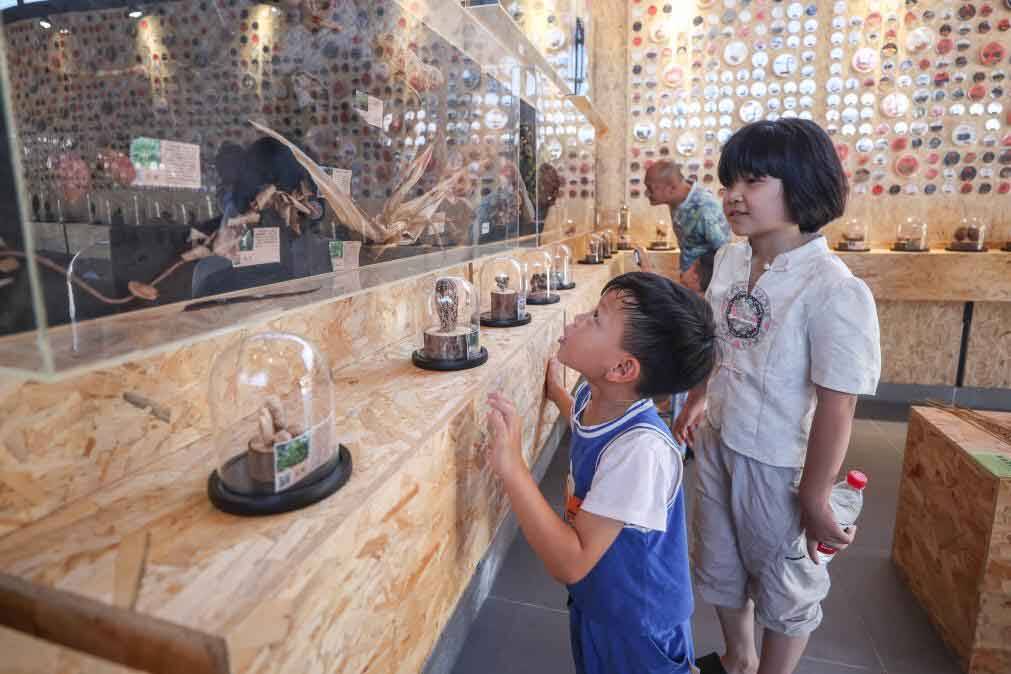
This is probably the strangest museum on the list, and potentially one of the best if you have children.
The museum is in Jiusuo Village in Ding’an and focuses entirely on seeds. More than 800 kinds of plant seeds and specimens are displayed, with exhibits explaining how seeds develop, spread and interact with people and the natural environment.
One of the exhibits is the enormous coco de mer seed, which gives some perspective on just how different seeds can be once you get beyond the familiar ones we see in fruit and vegetables.
The museum was created from an old village building and forms part of a wider rural project that also includes a café and restaurant, so this makes more sense as part of an afternoon in the area rather than simply driving in, walking around the museum and immediately leaving.
Good for: Families, children and anyone interested in plants or nature
Where: Jiusuo Village, Fuwen Town, Ding’an County
Admission: Free
Opening hours: Check before travelling
2. Hainan Seaworld Museum of Shell Culture — Haikou 海南海世界贝壳文化博物馆
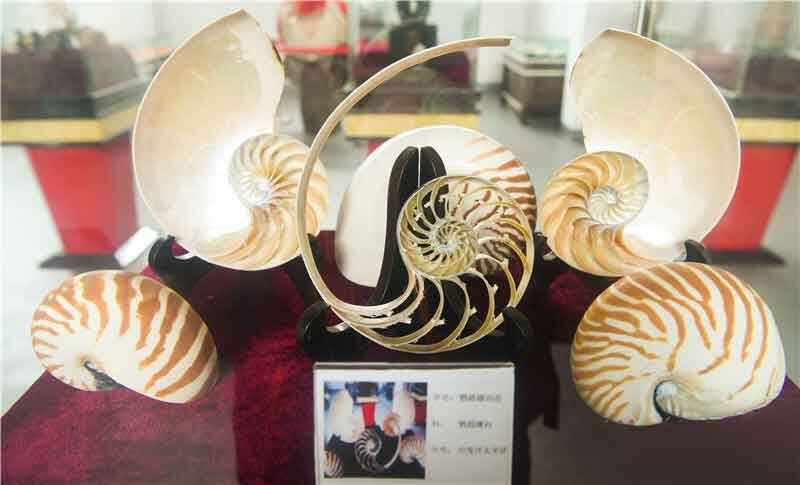
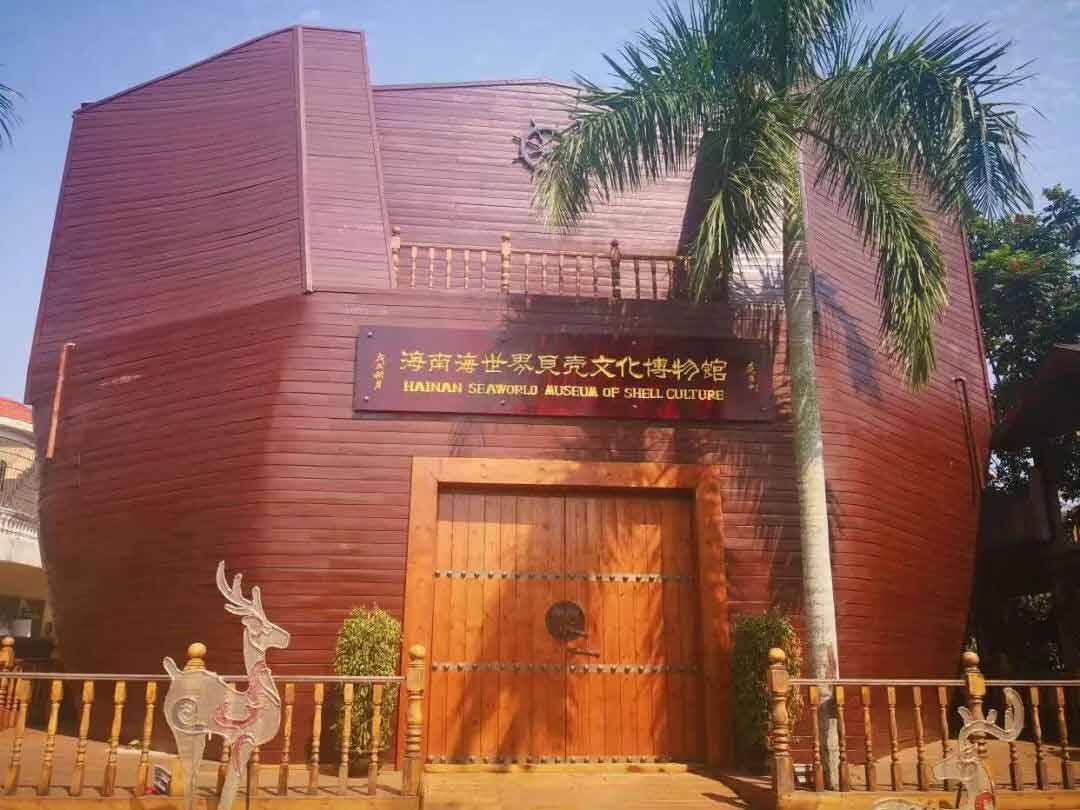
If you have ever picked up a strange shell on a Hainan beach and wondered what it was, this may be worth a look.
The museum is located on Huahui Dadao in Qiongshan District and contains several thousand shells, shell specimens, shell carvings and other objects connected with shell culture. Local reporting also describes fossils and more unusual specimens among the collection.
It is not one of Haikou's big headline attractions, which is partly the point. This is the sort of smaller museum that could work well for families or as an indoor stop when the weather is less cooperative.
Good for: Families, marine life, shells and natural history
Where: Huahui Dadao, Qiongshan District, Haikou
Admission: RMB 39
Opening hours: Check before travelling
3. Hainan Railway Museum — Dongfang 海南铁路博物馆
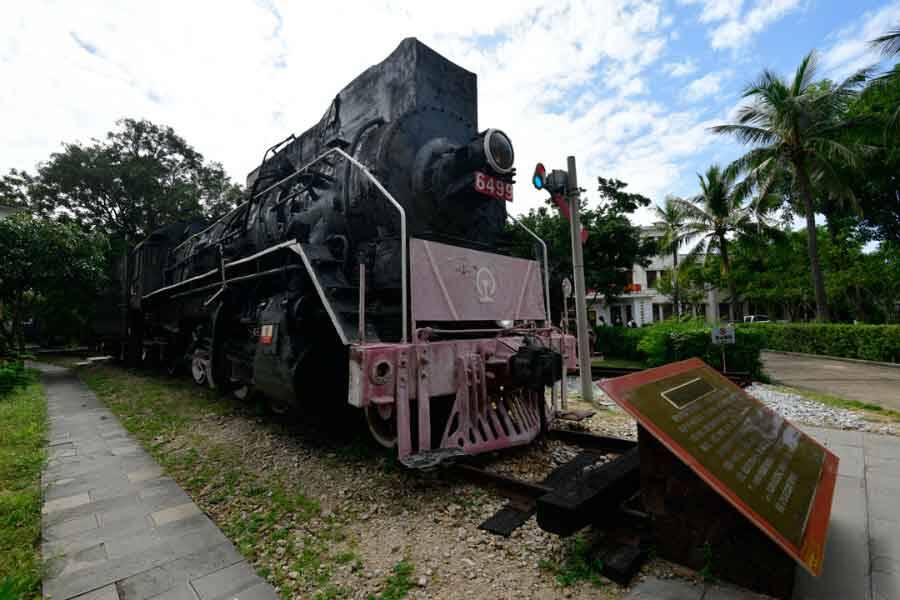

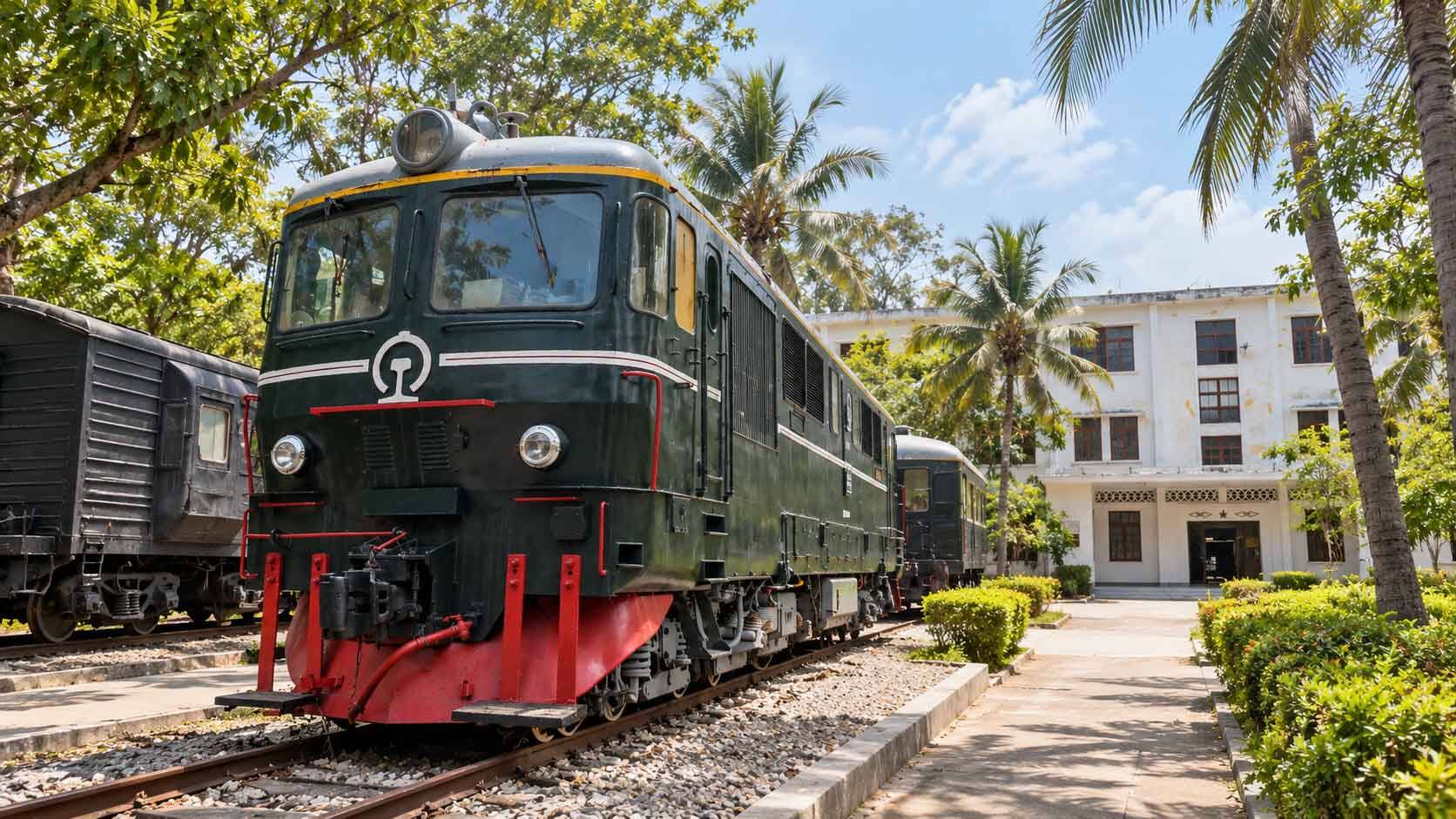
For me, this is one of the more interesting museums on the list because much of the collection is immediately understandable even if you cannot read the exhibit labels.
Outside are old locomotives, carriages and railway equipment. Inside, the museum traces the development of railways on Hainan through photographs, objects and historical material.
Among the exhibits is the last steam locomotive to operate on Hainan's railway network, along with historic rolling stock including the so-called "Meiling" carriage.
The museum is also an interesting stop if you are exploring the west coast. Hainan's official tourism material includes it on a Dongfang–Ledong–Changjiang driving route alongside places such as Yulinzhou Beach, Jianfengling and Qizi Bay.
Good for: Trains, industrial history, photography and families
Where: Binhai Nanlu, Basuo Town, Dongfang
Admission: Free
Opening hours: Published information has varied, so check before travelling
Local Octopus tip
This is probably the museum on the list where bringing a camera makes the most sense. The old locomotives and rolling stock are much more visually interesting than a conventional glass-case museum.
4. Numismatic Museum of Haikou University of Economics 海口经济学院钱币博物馆
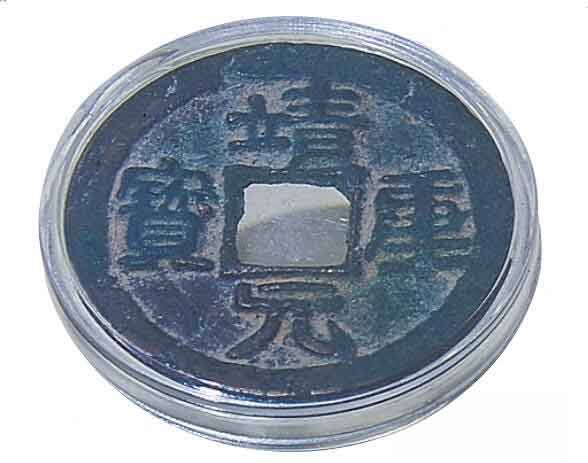
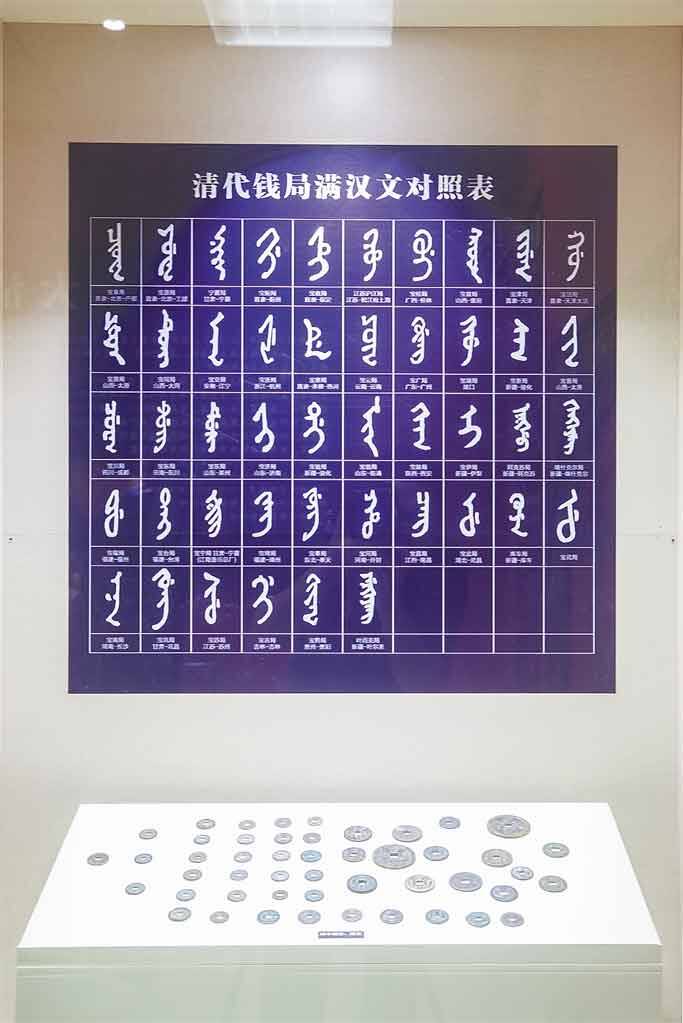
A museum devoted to money may sound dry, but the collection is actually a way of looking at trade, travel and economic history.
The museum holds more than 10,000 coins, notes, vouchers and related items covering different periods of Chinese history. The collection includes ancient Chinese currency as well as coins connected with overseas trade and exchange.
That makes it particularly interesting in Hainan, given the island's long connections with maritime trade routes.
The catch is that this museum is inside Haikou University of Economics rather than in a conventional public museum building. The provincial government lists admission as free, but I would check current campus access arrangements before setting off.
Good for: History, coins, trade and collectors
Where: No. 1001 Haitao Dadao, Meilan District, Haikou
Admission: Free
Before you go: Check university visitor-access arrangements
5. Camera Museum of the University of Sanya三亚学院照相机博物馆
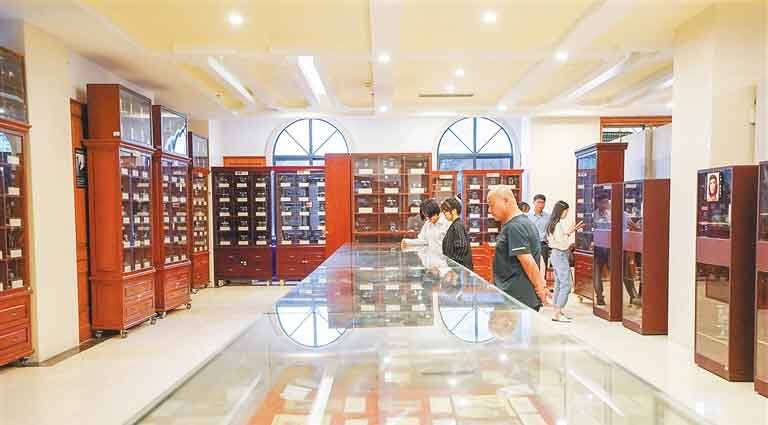

This one immediately caught my attention.
Hidden inside the University of Sanya is a collection of more than 500 antique cameras spanning more than a century of photographic technology. The collection includes wooden box cameras, folding cameras, twin-lens and single-lens reflex cameras, miniature cameras and equipment from manufacturers including Leica, Kodak, Konica and several historic Chinese brands.
There are some genuinely unusual pieces. The university describes a tiny Minox "spy camera", early wooden cameras and equipment dating back to the early days of commercial photography.
The collection was donated to the university and the museum is also used for teaching photography students.
The university has previously stated that the museum is open to the public free of charge, but because it sits inside an active university campus, it would be sensible to check access before travelling there.
Good for: Photography, cameras, technology and design
Where: No. 191 Xueyuan Lu, Jiyang District, Sanya
Admission: Free
Before you go: Check current campus access arrangements
6. Hainan Coconut Carving Exhibition Center — Wenchang 海南椰雕文化展览馆
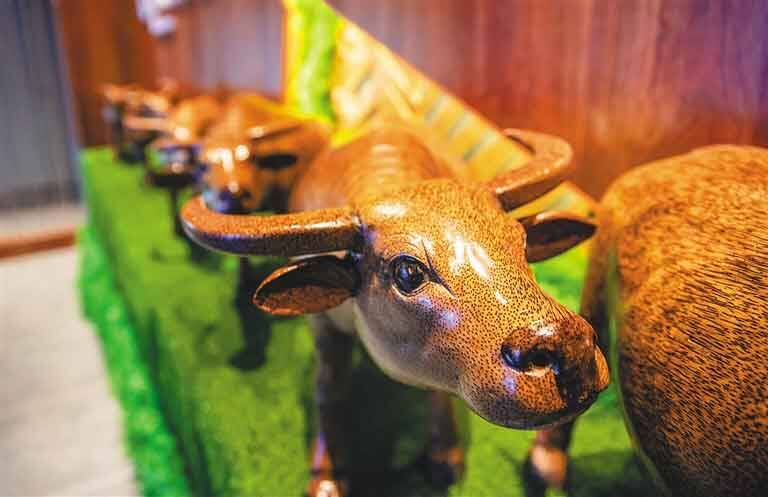
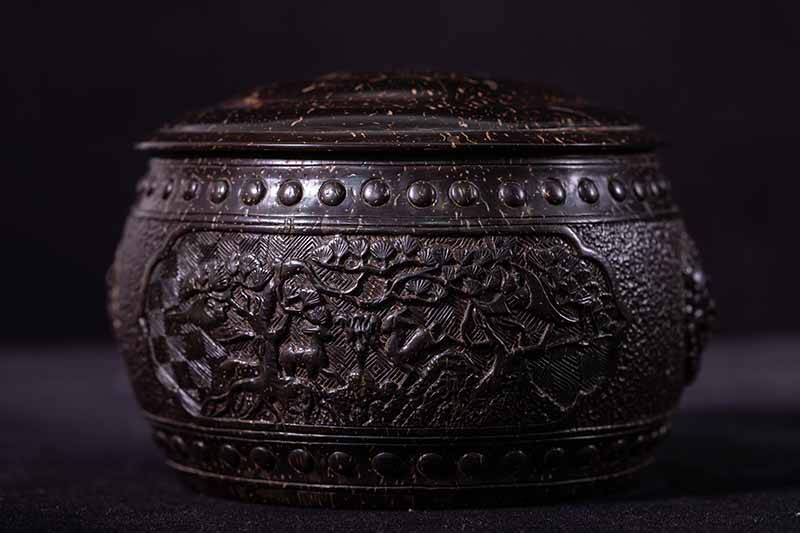
Coconuts are everywhere in Hainan. Turning the shells (and trees) into detailed works of art is something else entirely.
The Hainan Coconut Carving Exhibition Center in Wenchang contains more than 1,000 examples of coconut carving, many associated with Fu Shiqiong, a recognised inheritor of Hainan's traditional coconut-carving craft.
The pieces range from vessels and decorative objects to surprisingly elaborate scenes and sculptures.
Coconut carving has a long history on the island. Hainan government material traces references to the craft back to the Tang Dynasty and notes that carved coconuts were later sent to the imperial court as tribute during the Ming and Qing periods.
This is another museum that makes more sense as part of a wider Wenchang trip. The exhibition centre is in Dongjiao, close to one of Hainan's best-known coconut-growing areas.
Good for: Hainan culture, traditional crafts and photography
Where: Hangtian Dadao, Wenchang
Admission: RMB 20
Opening hours: Check before travelling
Which one should you visit?
If you are travelling with children, I would start with the Seeds Museum or Shell Culture Museum.
If you like photography, the Camera Museum is the obvious choice.
For something that feels particularly connected to Hainan itself, the Railway Museum and Coconut Carving Exhibition Center are probably the most distinctive.
And if you already happen to be travelling through Dongfang, Ding’an or Wenchang, these smaller museums give you another reason to stop rather than simply drive through.
Before you go
These are not all large, professionally staffed museums with sophisticated English-language websites and constantly updated visitor information.
Several are small museums, private collections, village attractions or university collections. That means opening hours and visitor arrangements can be harder to confirm than at places such as Hainan Museum.
If you are travelling any distance specifically to visit one, check the current arrangements first.
It is also worth saving the Chinese museum name and address on your phone. Even when an English name exists, the Chinese name will usually be much more useful in a taxi or navigation app.
Local Octopus tip
Don't expect every one of these places to feel like a polished national museum.
Some are small, slightly eccentric collections built around one person's interest, one local craft or one surprisingly specific subject.
That's actually part of what makes them interesting.
This topic was modified 1 day ago by Local Octopus
Posted : 28/09/2026 5:32 pm
Patrick Quinn reacted

Register Your Business

Follow Us on WeChat

Jobs in Hainan