
A Haikou hospital plans to build a brain-computer interface laboratory that will be open directly to companies in the city’s high-tech zone. The First Affiliated Hospital of Hainan University (Haikou People’s Hospital) and the Haikou National High-Tech Industrial Development Zone signed the agreement on 13 November 2026.
Once the laboratory is built, companies in the zone will be able to screen trial subjects and assess them before surgery in Haikou, the zone said. They will also be able to follow patients up afterwards, assess their rehabilitation and keep the data locally.
The surgery behind the deal
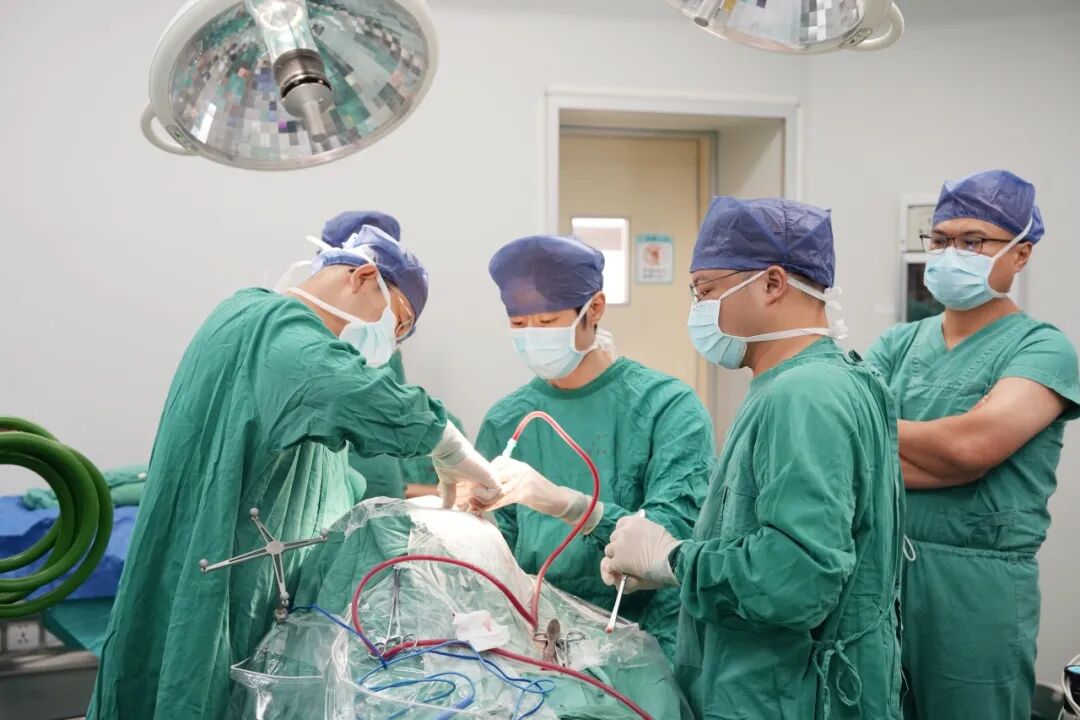
The agreement follows an implant at the hospital on 30 October. Surgeons implanted flexible electrodes on the surface of the brain of a patient with high-level paraplegia. The system is designed to decode the patient’s intention to move and use it to drive a brain-controlled pneumatic glove that helps with grasping.
The hospital and local media describe it as Hainan’s first invasive brain-computer interface surgery. Reports published in mid-November said the patient was recovering smoothly after the operation.
Wang Jiachong, the hospital’s vice-president and director of its neuromedical centre, said the team followed the technical review guidance of the National Medical Products Administration. He said the team will follow the patient’s rehabilitation for six months to assess the system’s safety and effectiveness.
What the laboratory is meant to offer
The planned first phase will include five systems: motor imagery, speech, rehabilitation assessment, EEG data computing and storage, and rehabilitation peripherals. The zone said they will cover the chain from assessment before surgery to monitoring during it, device programming, rehabilitation, speech synthesis and data management.
The hospital plans to use the laboratory for investigator-initiated clinical research (IIT) and for clinical trials run under Good Clinical Practice (GCP) standards. The zone said technology validated there can then move into its science parks for pilot production, registration filings and large-scale manufacturing.
What we don’t yet know
The reports cited do not say how companies can apply to use the laboratory, what access will cost, or whether foreign-invested companies will qualify. The hospital plans to widen the range of conditions treated gradually, but as of yet has not named them.
Related article: Why Alibaba’s cheaper AI could end up costing you more