Notifications
Clear all
Travel — Visiting & Exploring Hainan
1
Posts
1
Users
0
Reactions
281
Views

Topic starter
The Zhoukoudian Site Cultural Exhibition at Hainan Museum in Haikou is a free, family-friendly display tracing the discovery and study of Peking Man, a Homo erectus who inhabited the Zhoukoudian site near Beijing between 700,000 and 200,000 years ago during the Middle Pleistocene.
The exhibition covers the site's excavation history, beginning with Swedish geologist Johan Gunnar Andersson and Austrian palaeontologist Otto Zdansky's initial discoveries in the 1920s, through interruptions caused by the 1937 Lugou Bridge Incident, and continuing with key fossil finds, teeth, limb bones, and skull fragments, unearthed in 1951, 1966, 1973, and 2003.
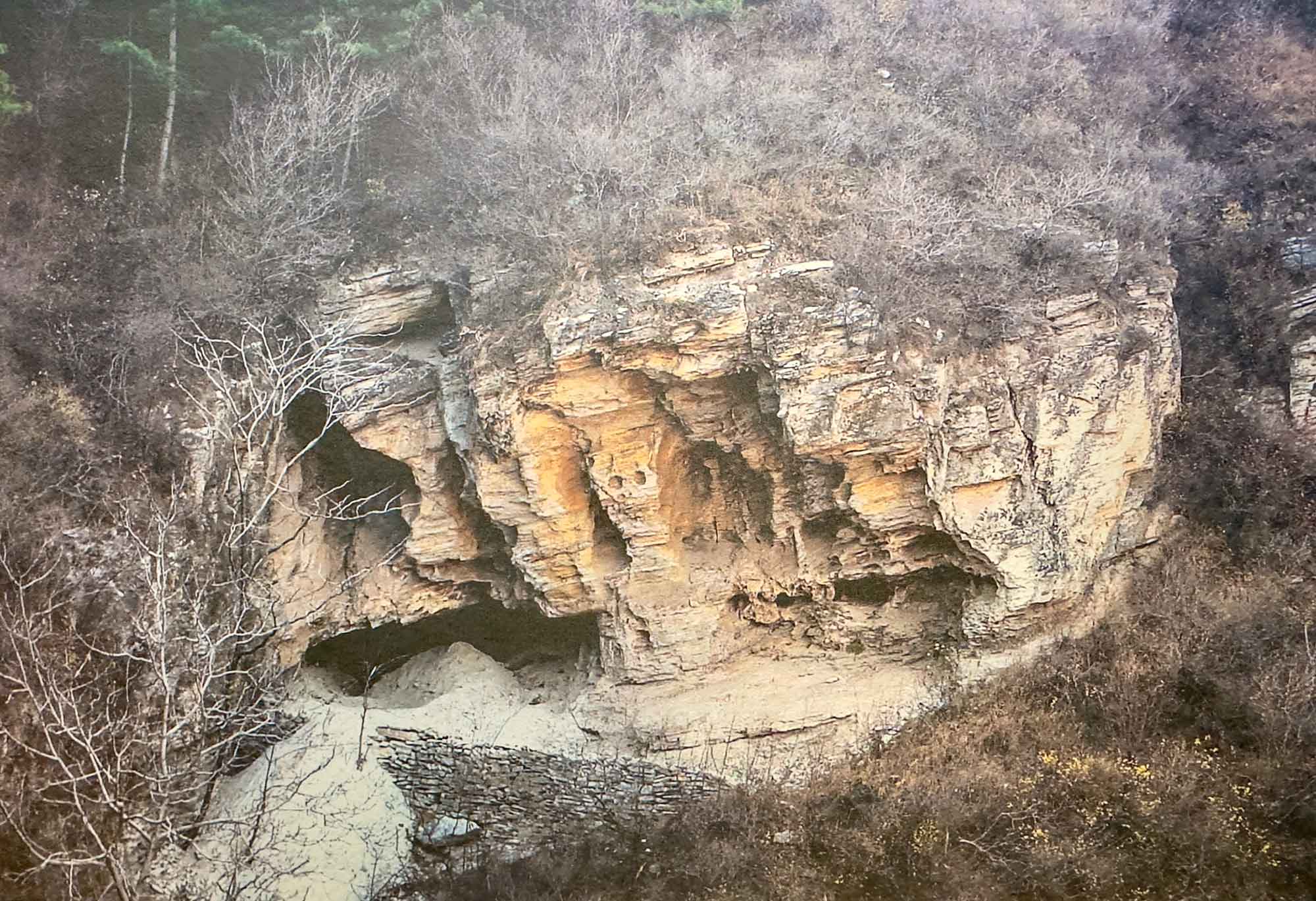
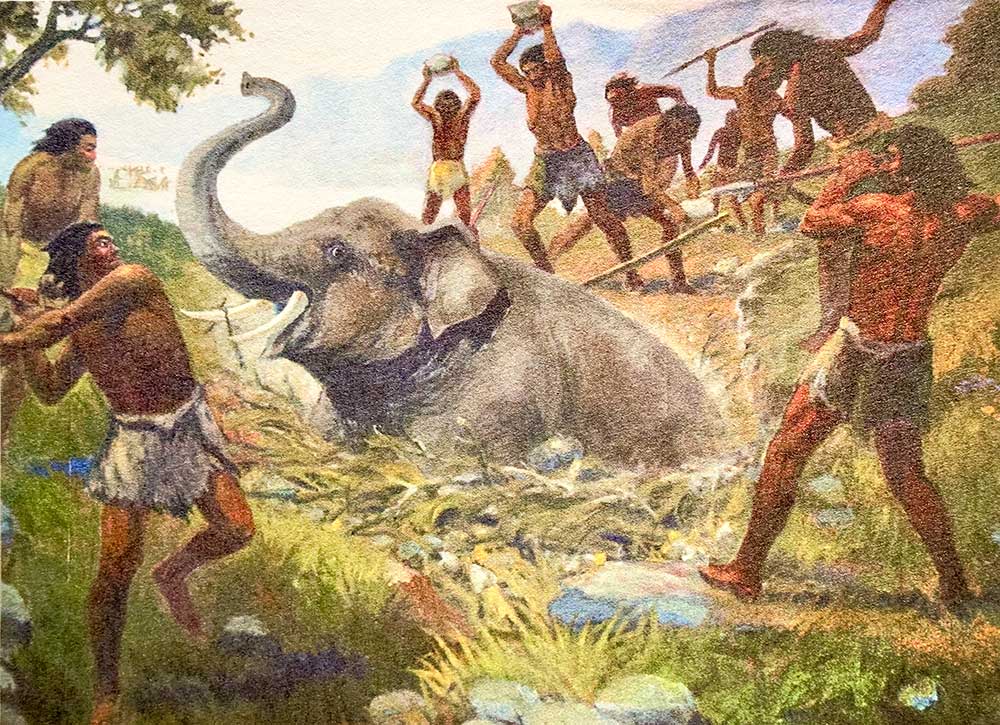
Displays include a detailed breakdown of stone tools used for cutting, scraping, and carving, the intriguing mystery of fossils that went missing during World War II en route to the American Museum of Natural History, and findings from the nearby Shandingdong site featuring 30,000-year-old late Homo sapiens remains and over 140 artefacts — though visitors should note the content is presented in Chinese only, and a passport is required for entry at 68 Guoxing Avenue, open Tuesday to Sunday, 9:00–17:00.
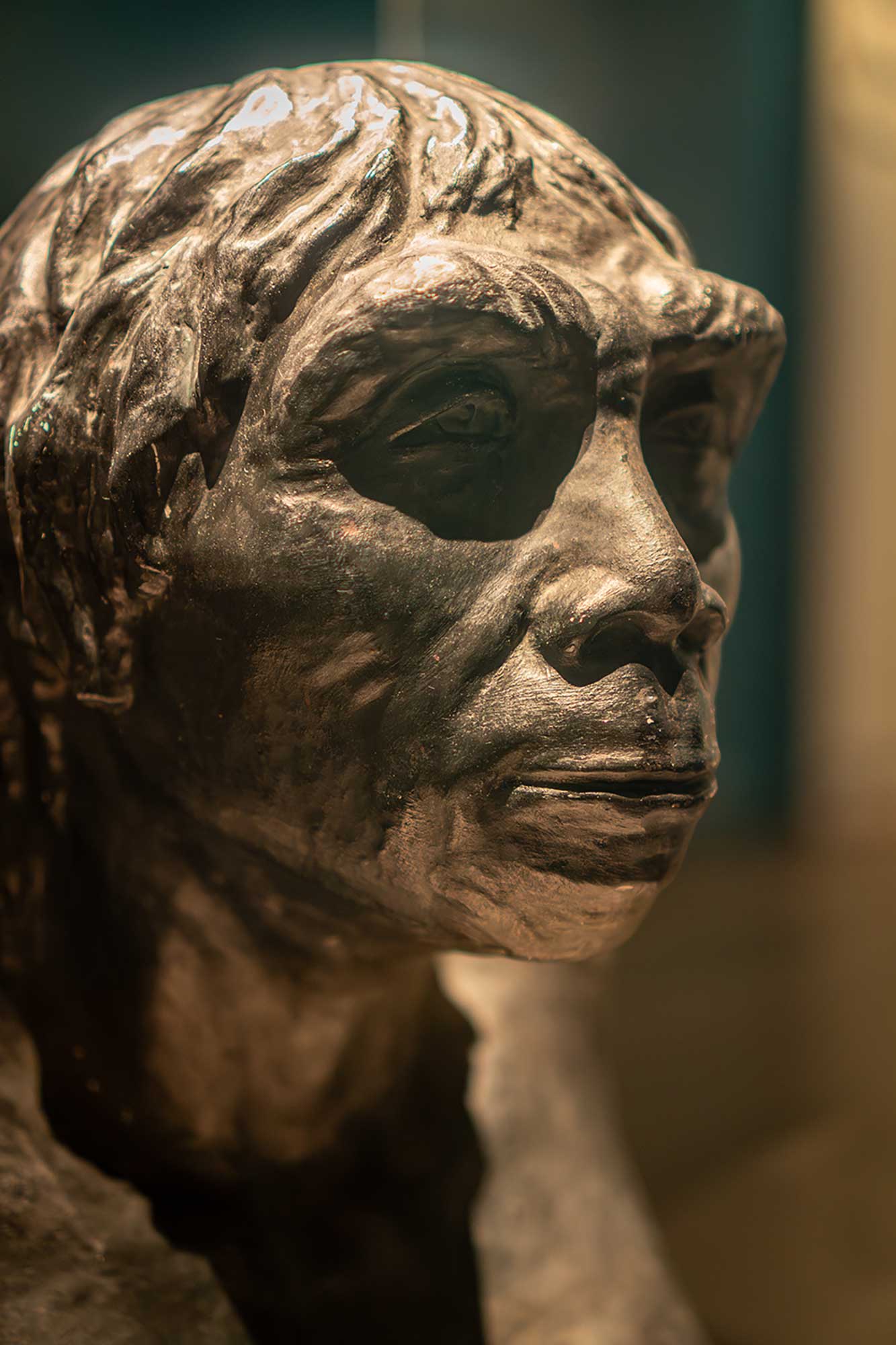
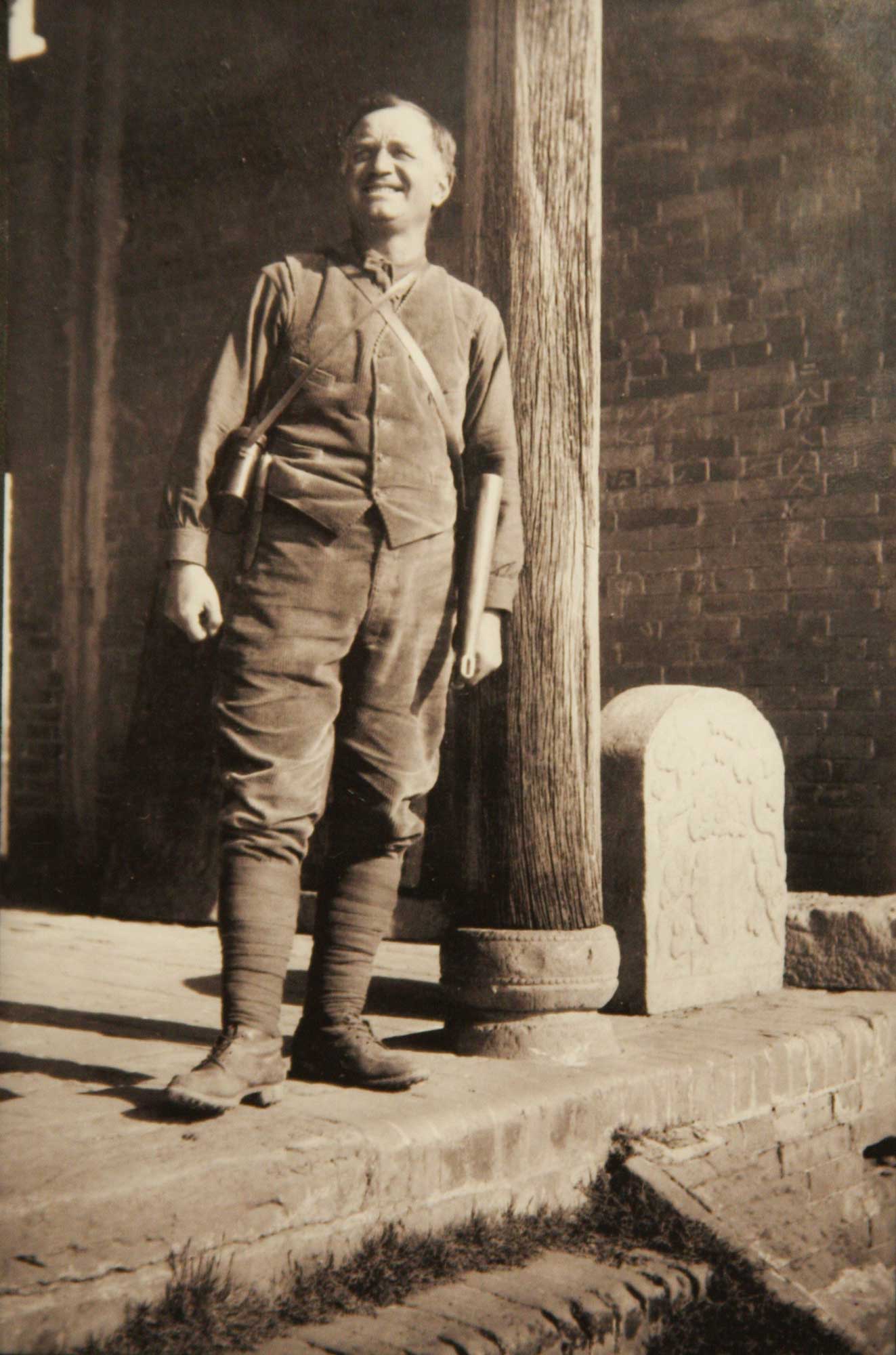
Full Details Here: Zhoukoudian Site Cultural Exhibition at Hainan Museum
Posted : 08/08/2024 12:25 pm


Register Your Business

Follow Us on WeChat

Jobs in Hainan