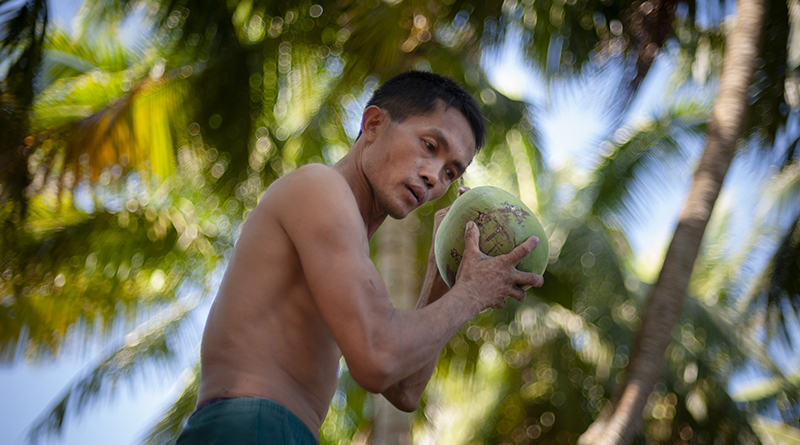
If you haven’t guessed it from the photo we are talking about coconut trees. Living in Hainan, it would be very difficult to go about your day without seeing one. So here are ten seriously interesting facts about coconut trees.
The tree of life
The coconut tree has a wide variety of uses and in parts of the world it is often referred to the “tree of life” or “tree of a thousand uses”.
The coconut husk, shell, water, leaves, flesh, trunk and roots have been used for centuries. They have a number of uses such as house building, food, crafting, fuel, a natural mosquito repellent and in medicinal purposes.
It’s a fruit
While the coconut is commonly thought to be a nut, it is actually the fruit of the tree. More specifically, it is a drupe. Drupes are more commonly called stone fruits. Peaches, plums, cherries and coconuts are all drupes, but this drupe does not rely on animals and birds to spread it around. This crazy nut disperses itself on the ocean tides, sending it all over the world.
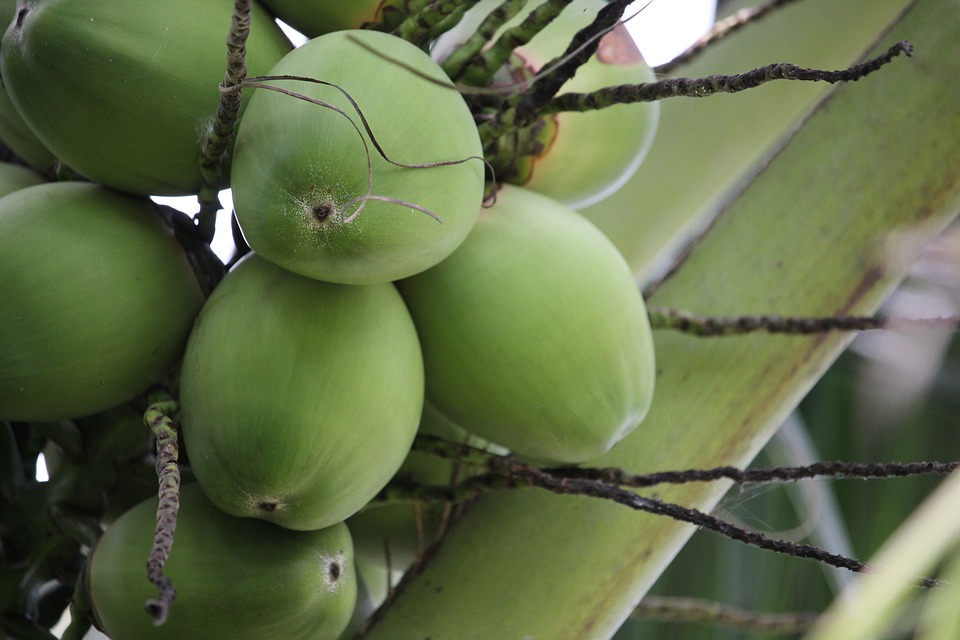
Emergency intravenous fluids.
While we don’t recommend wiring yourself up to a coconut to cure your next hangover or plugging in when you are ill. Many reports have suggested that coconuts have been used as an emergency intravenous throughout history.
Back in 1942, Dr Pradera in Havana, Cuba filtered coconut water and injected it into the veins of 12 children. He did this at rates of around one-to-two liters per 24 hours. He reported no adverse reactions.
It is also claimed that they were used during World War Two. Both the British in Sri Lanka and the Japanese in Sumatra regularly used coconut water when intravenous fluids ran out.
Bio fuel uses.
Typically sources like new or used vegetable oil and animal fats are used in the creation of bio fuels. But did you know some Pacific island nations are using coconut oil as a substitute for the creation of Biofuels. This has been done to reduce their expenses and their dependence on imported fuels while helping stabilize the coconut oil market.
All over the Pacific power departments, private companies and entrepreneurs have been experimenting with coconut oil as an alternative to diesel fuel for vehicles.
“The idea goes right the way back to Mr Rudolf Diesel. He invented the combustion engine to use peanut oil. ” Jerry Kramer said, chief executive of Pacific International, a company pioneering the use of coconut oil in the Marshall Islands.
Highly nutritious and rich in Fiber.
The coconut is highly nutritious and rich in fiber, vitamin C, vitamin E, vitamin B1, vitamin B3, vitamin B5 and vitamin B6. It also contains minerals, including iron, copper, selenium, sodium, calcium, magnesium, manganese, phosphorous and zinc.
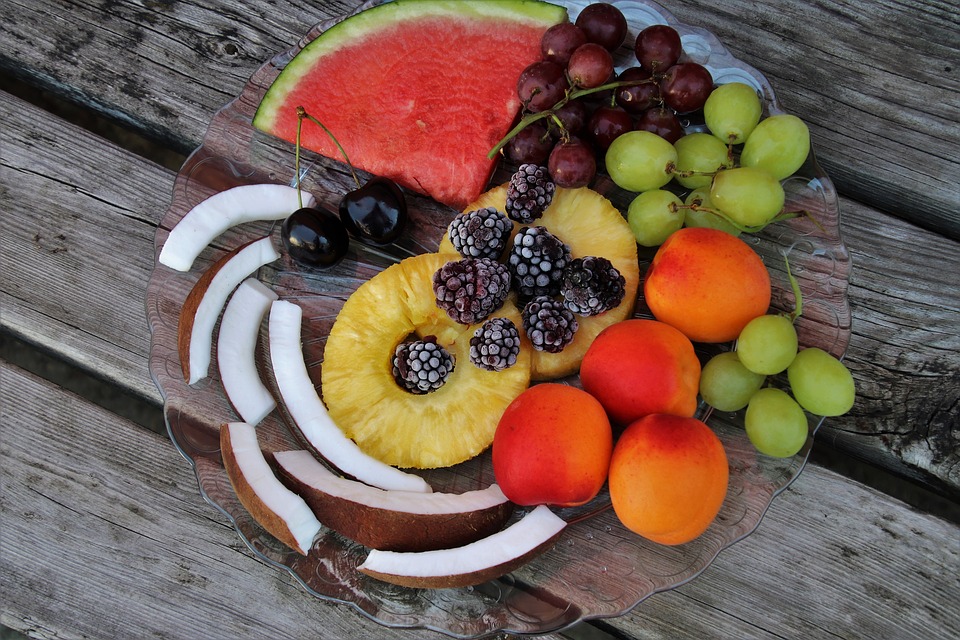
Natures mosquito repellent
Coconut husk can also be used as a mosquito repellent. Preferably in homes coconut husk can be burnt in rooms before bed time to repel mosquitoes. Coconut husk is natural, for this reason the smoke produced from burning is considered harmless.
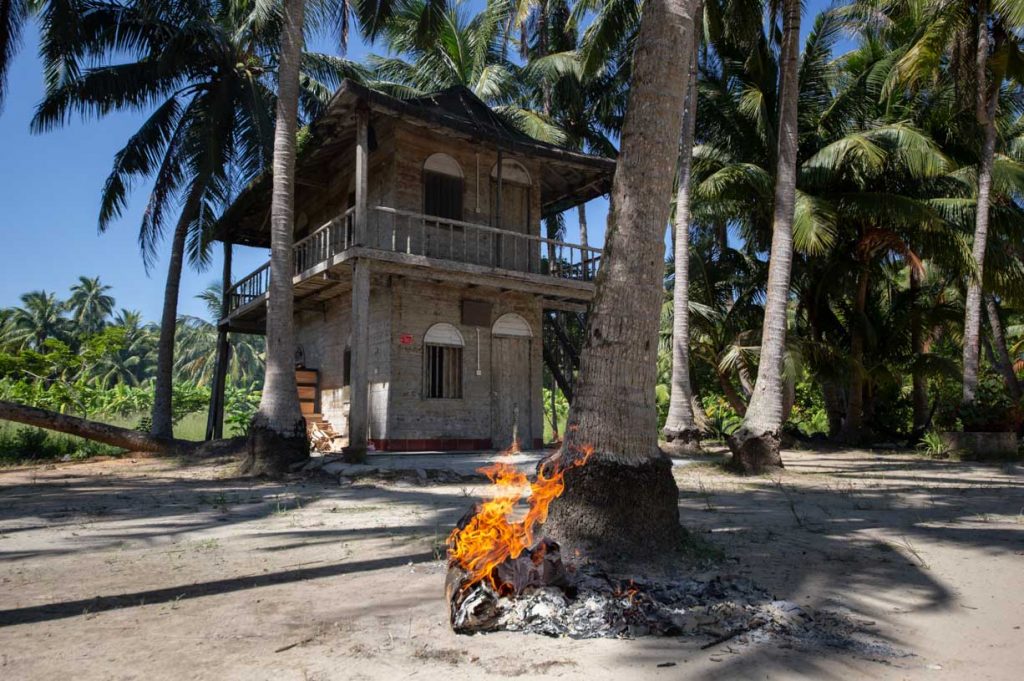
Not only does it help with the fight against malaria, it’s also a cheaper, healthier and a greener alternative to most manufactured mosquito repellents.
Activated charcoal and the stuff for your BBQ
Super heating natural sources of carbon, such as wood, peat, coconut shells or sawdust produces activated charcoal. The black powder stops toxins from being absorbed in the stomach by binding to them. The body is unable to absorb charcoal and so the toxins that bind to the charcoal leave the body in the feces.
It’s also used in the emergency treatment of overdoses or poisoning. There are also a number of other uses for activated charcoal. Such as assisting with kidney function, disrupt intestinal gas, water filtration, treatment for diarrhea and more.
Coconut shell charcoal: Coconut husks make a fuel that fires tens of thousands of saté grills in Thailand and beyond. Quick to light, hot burning, and sold in small pieces, it’s the perfect charcoal for the small grills used by street vendors.
Used for crafting
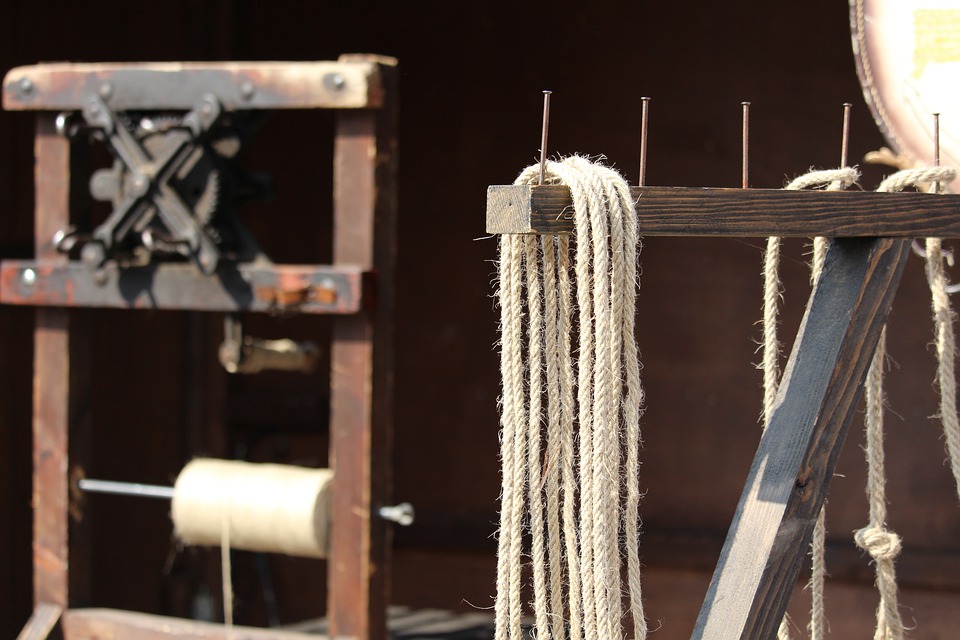
Hats, mats, baskets, wall hanging, rugs, toys etc are manufactured from various parts of this tree. But, it is the shell of a coconut that is most commonly used in the art and craft world. Bowls, cups, spoons, coasters, belt buckles are formed out of the hard shell of coconut by the skilled hands of the artisans. Slowly it has found application in the fashion world and today necklace, earrings and bracelets are also manufactured from the shell.
Two varieties of tree
There are two varieties of coconut tree: tall or dwarf. The tall variety is commonly planted for commercial purposes. With a life span of 60-80 years, it is considered a “three-generation tree”. This is because it can support a farmer, his children, and his grandchildren. The tree is slow to mature, bearing coconuts in six to 10 years.
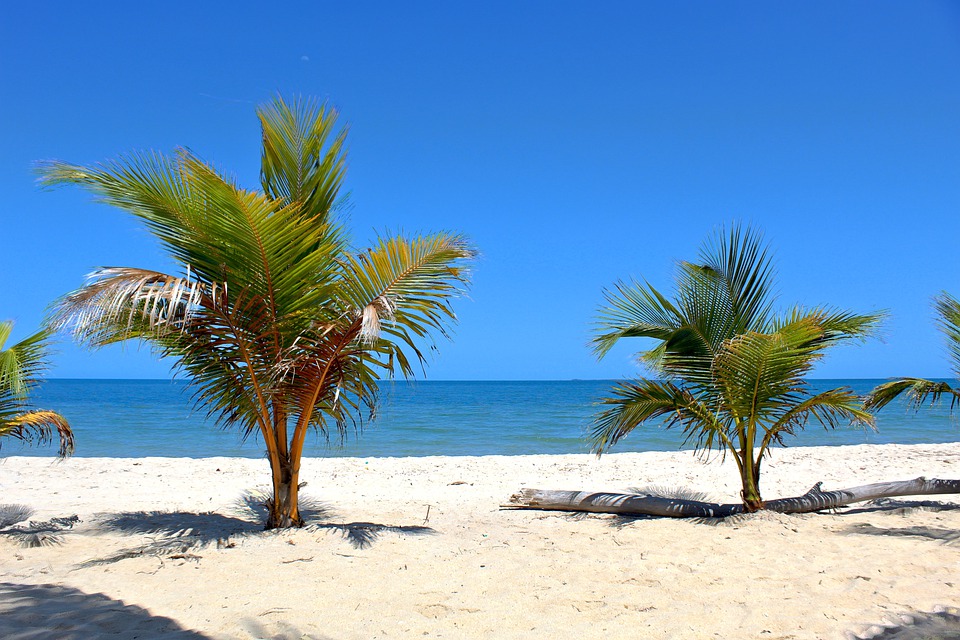
A mature tree has a trunk about 18 inches (46 cm) in diameter. The trees can also obtain a height of 100 feet (30 m). The top of the tree is adorned with 20 or so large downward curving leaves, called fronds, each about 10-15 feet (3-4.5 m) long.
The dwarf variety is about a third the size, has a shorter life span and is difficult to grow, but valued because it produces coconuts earlier than the tall tree.
Used for building
One of primary uses of coconut timber is for building construction. Coconut timber is suitable for housing components like trusses, purlins, walls, joists, doors, window frames and jalousies. Medium density boards can be effectively used for walling, horizontal studs, ceiling joists and door/window frames
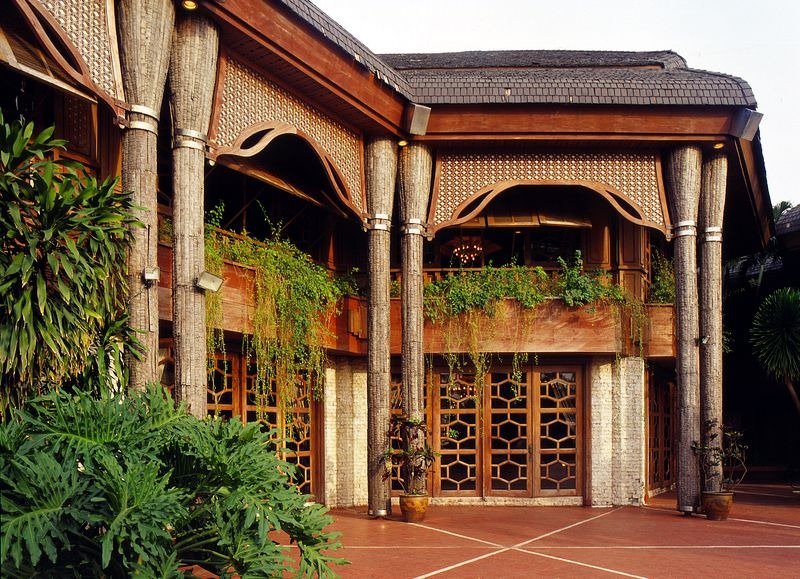
The official residence and workplace of the Vice President of the Philippines, in Manila, is almost entirely built from coconut trees. The building is called Coconut Palace, or Tahanang Pilipino. This is because of the extensive use of coconut lumber and various parts of the coconut tree in its construction.
The roof is made from coconut wood shingles, while the columns are inverted coconut trunks, with their distinctive bulge at the root end forming the capitals. Coconut wood parquetry covers the floors, carpets are made of coconut fiber and wallpaper from the fibrous sheath. There’s also a massive chandelier made from 101 coconut shells and dining table of 40,000 tiny pieces of inlaid coconut shells.
If you enjoyed reading ten seriously interesting facts about coconut trees, then check out the related article below.
Related article: Don’t Spit! Pandemic Posters over the last 100 Years
Tropicalhainan.com launched it’s official mini programme and WeChat account, scan the Qr code to keep up to date with news, sports, entertainment, travel, opinion and more.