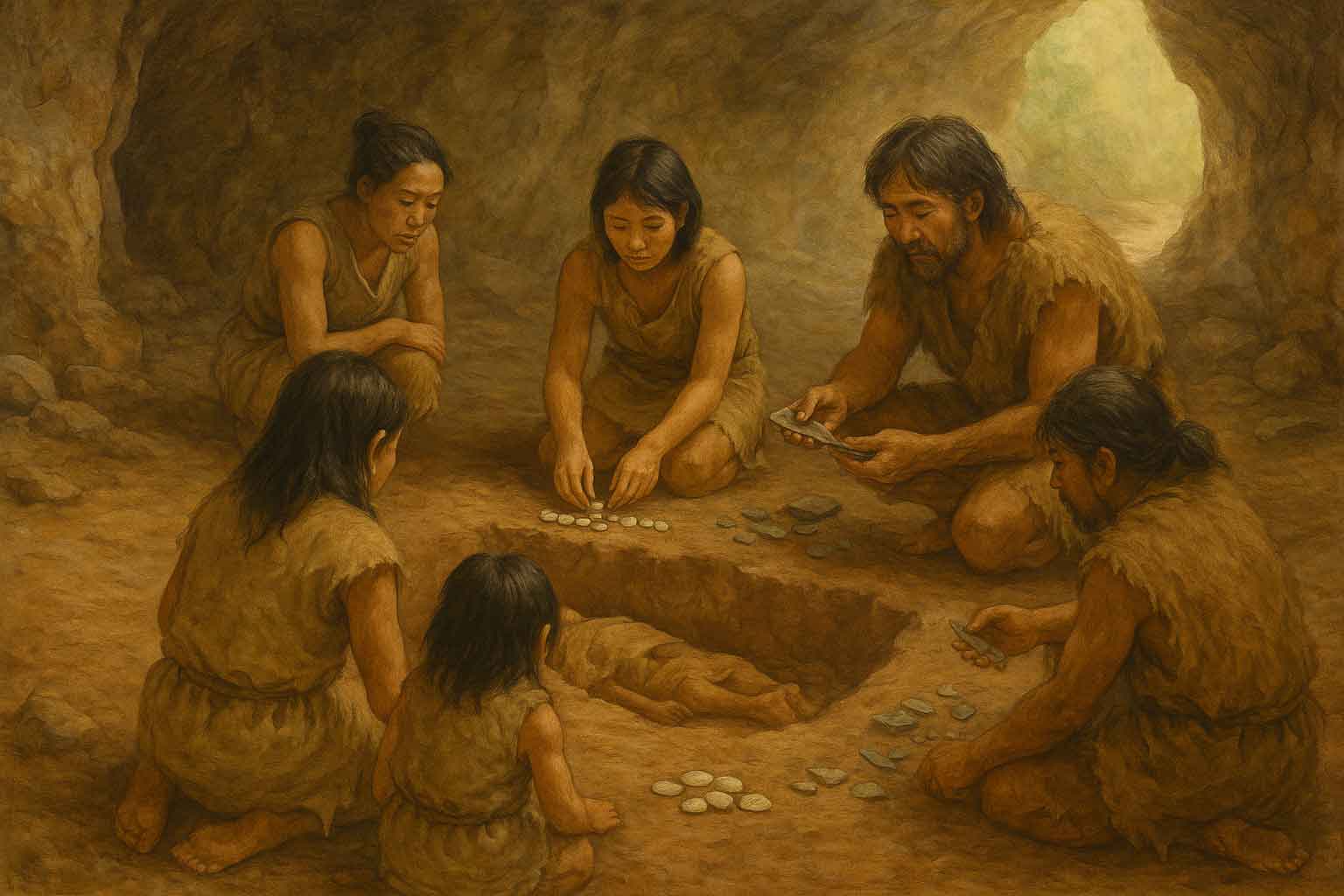

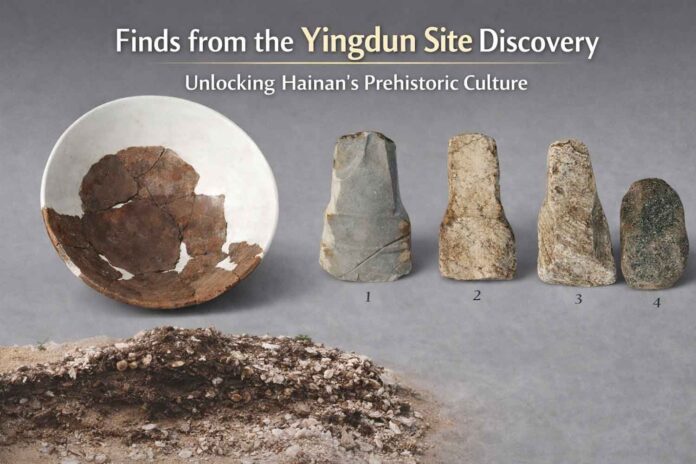
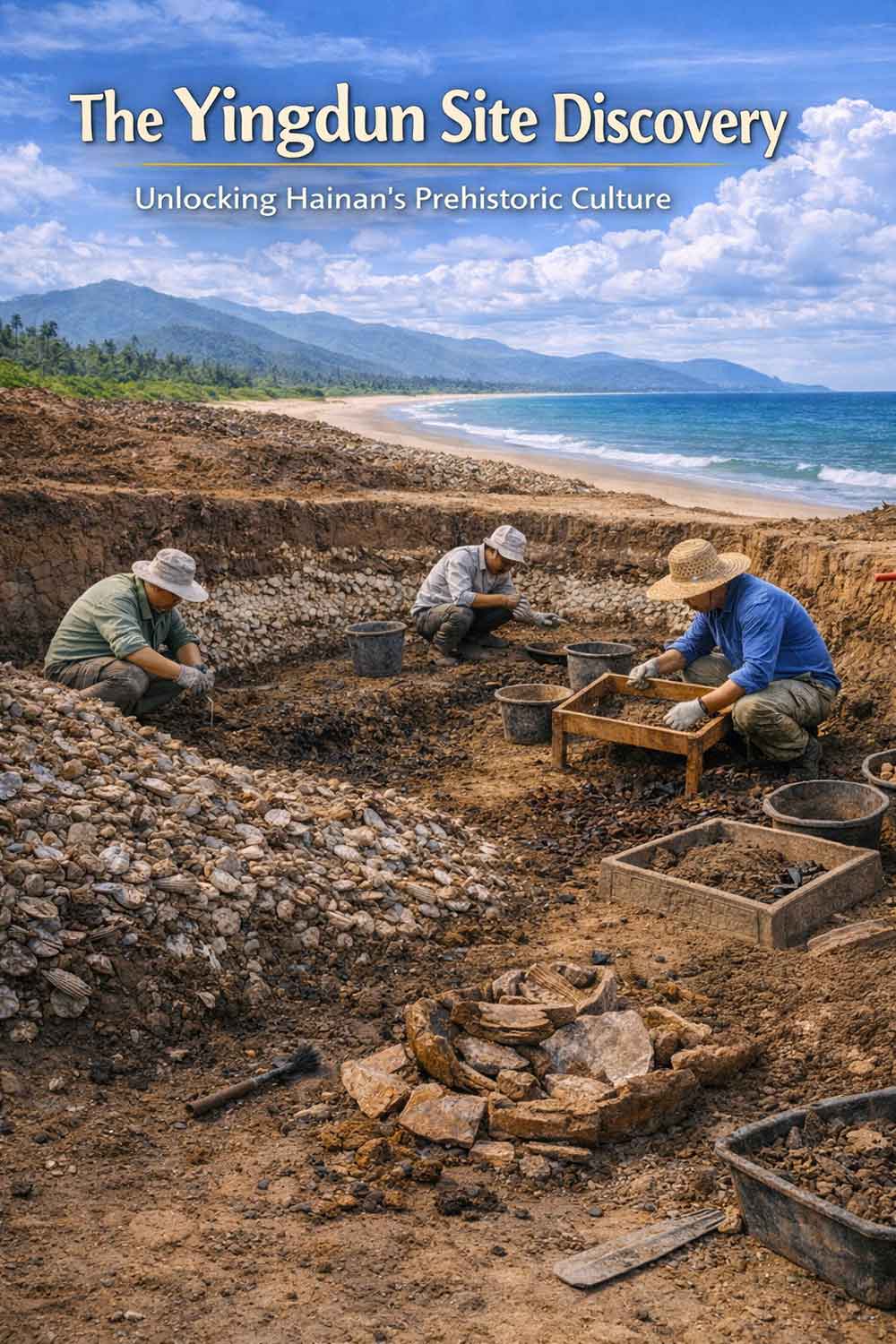
The Yingdun (英墩) site in Sanya’s Haitang District (海棠区) represents a landmark archaeological discovery that is adding to our understanding of southeastern Hainan’s prehistoric civilization. This shell midden has been recognized as an immovable cultural relic and included in the Fourth National Cultural Relics Census, marking a significant achievement in regional heritage preservation.
Discovery and Excavation History
The Yingdun site was first identified in 2012, when a joint archaeological team from the Chinese Academy of Social Sciences’ Institute of Archaeology and the Hainan Provincial Museum (later the Hainan Provincial Institute of Cultural Relics and Archaeology) conducted systematic surveys along the coastal regions between Lingshui and eastern Sanya.
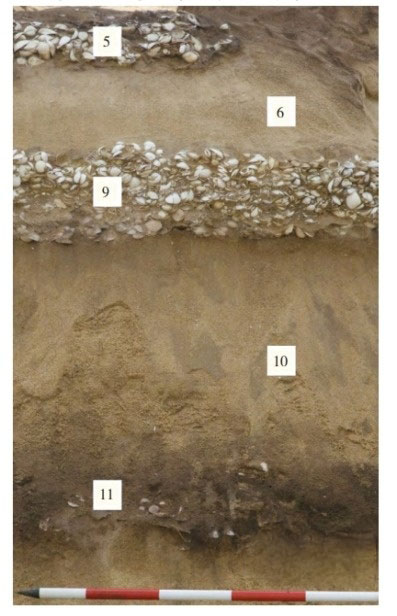
Following its discovery, the collaborative team carried out multiple rescue excavations between 2012 and 2016, uncovering rich cultural deposits that have provided crucial insights into the region’s Neolithic heritage.
Cultural Chronology and Characteristics
Archaeological evidence at Yingdun is well stratified, revealing several phases of occupation. The earliest deposits date to approximately 6,000–5,500 years ago, but later Neolithic cultural layers also exist, showing continuity and variation across centuries.
Excavations yielded abundant artifacts, including:
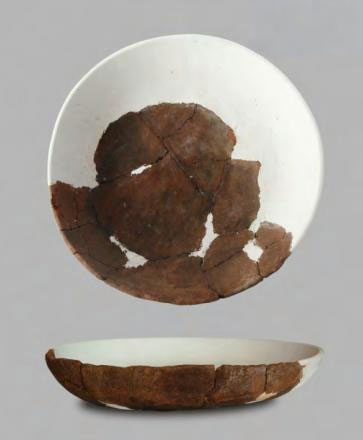
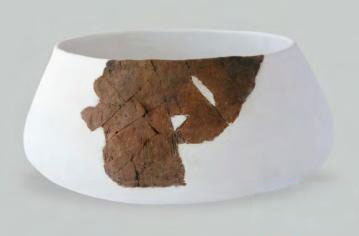
Pottery vessels such as drum-bellied jars and pan-shaped cauldrons
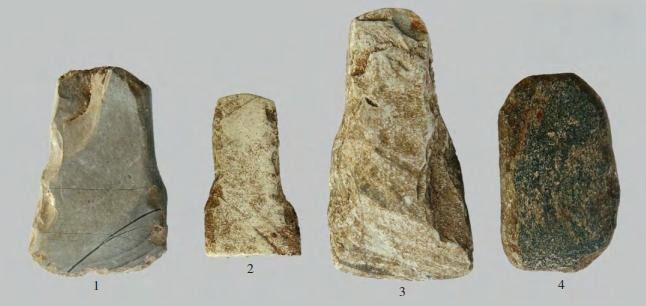
Stone tools of varied function
Fish bone ornamental strings from the early phase
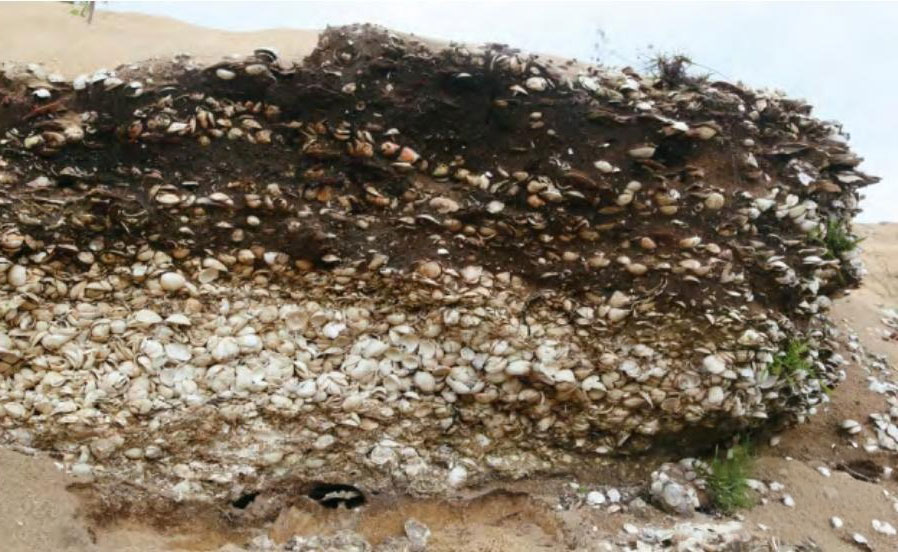
The site is distinguished by thick shell accumulations and rich cultural deposits, making it an exceptionally well-preserved example of a shell midden settlement that reveals how ancient coastal communities lived and exploited marine resources.
Archaeological Significance
The Yingdun site’s importance extends beyond its local context. Together with the Lianziwan (莲子湾) and Qiaoshan (桥山) sites, it forms a crucial foundation for establishing the prehistoric cultural chronology of southeastern coastal Hainan.
These three sites provide a broad framework:
Yingdun cultural remains (earliest phase)
Lianziwan cultural remains (Roughly around 5,000 years old (mid‑to‑late Neolithic, middle phase))
Qiaoshan cultural remains (Approximately 3,000 years old (later than both Yingdun and Lianziwan, later phase,))
While this sequence is widely accepted, researchers note cultural overlaps and shared traits between sites, suggesting interaction and gradual transitions rather than a strict linear succession. Stratigraphic relationships and artifact comparisons allow scholars to trace the evolution of settlement patterns and cultural development across roughly 3,000 years (6,000–3,000 BP).
Heritage Protection and the region’s cultural legacy
The Haitang District government has committed to protecting and managing the site in accordance with national cultural heritage standards and census guidelines. This recognition reflects both the district’s achievements in relic protection and its deeper commitment to preserving the region’s cultural legacy.
Future plans include developing the Yingdun site into an archaeological park, as part of broader “Cultural Relics + Tourism” initiatives in Sanya. Such projects aim to bring Hainan’s prehistoric civilization to a wider audience while generating cultural tourism benefits.
The discovery and excavation of the Yingdun site underscore the importance of continued archaeological work in southern China’s coastal regions. Shell middens like Yingdun document the early development of maritime-oriented societies in the Asia-Pacific, offering invaluable evidence of how ancient communities adapted to and thrived in coastal environments.
Related article: Hainan’s Oldest Known Burial Unearthed at Luobi Cave: A Landmark in Paleolithic Archaeology