Why Every Household Needs a 72-Hour Emergency Kit
Modern society depends on networks of infrastructure that are invisible to our awareness until they fail, a phenomenon experts call “invisible infrastructure.” These systems, which include water, power, and communications, are designed to operate seamlessly, but climate change and technical limitations are exposing their fragility in alarming ways.
Super Typhoon Yagi: A Local Reminder of Systemic Limits

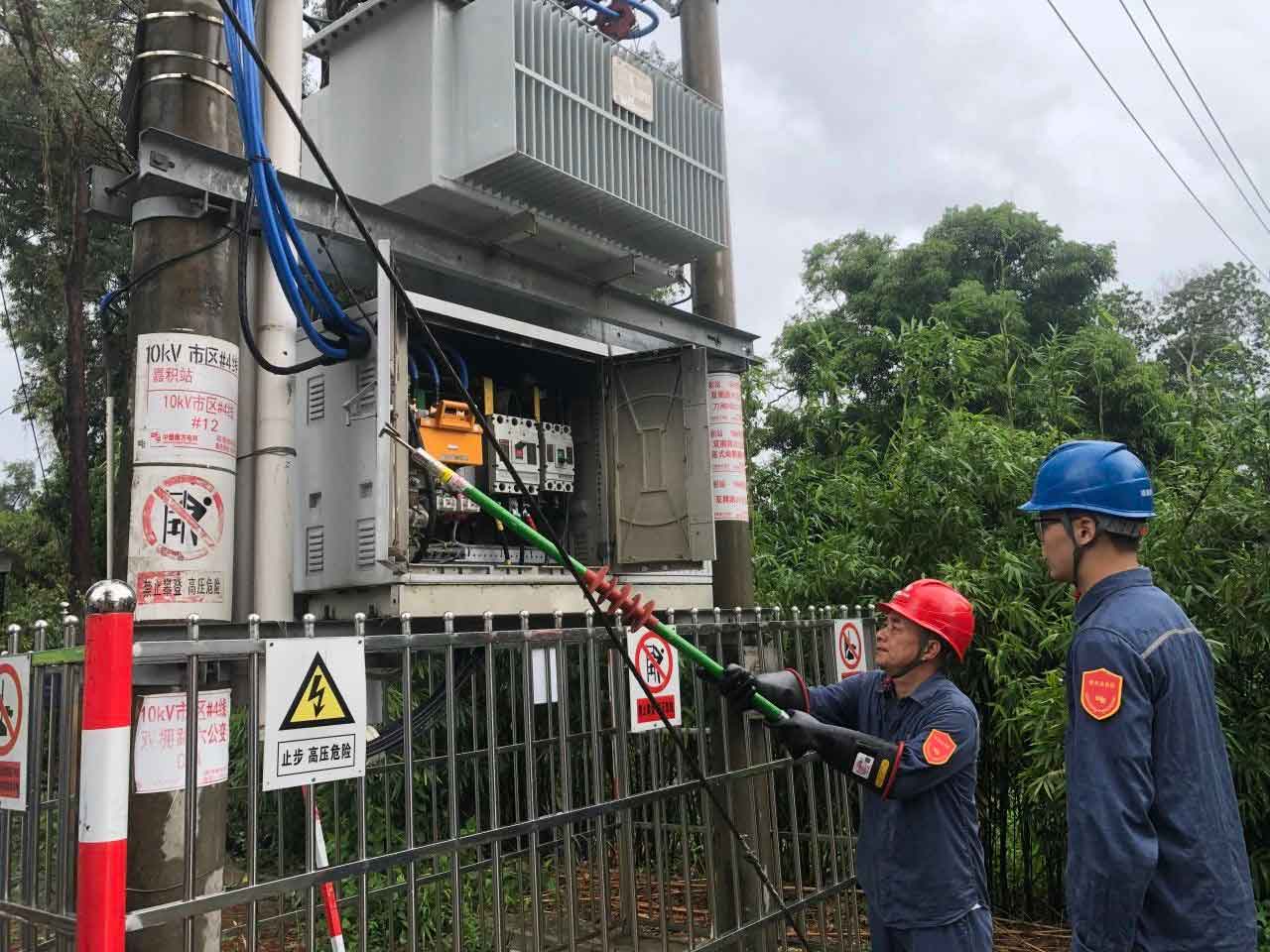
In September 2024, Super Typhoon Yagi struck Haikou with winds exceeding Beaufort scale 17. The storm brought down 273 power poles and severed transmission lines, cutting electricity to more than 190,000 households.
The impact did not stop with the blackout. Critical water infrastructure, including the Longtang and Mipu treatment plants, shut down due to power instability. Restoration was not immediate: even after the grid was repaired, it took over 14 hours to refill water pipelines to just 50% capacity.
Secondary damage, such as uprooted trees damaging pipes and booster pump failures in high-rise buildings, delayed full recovery further.
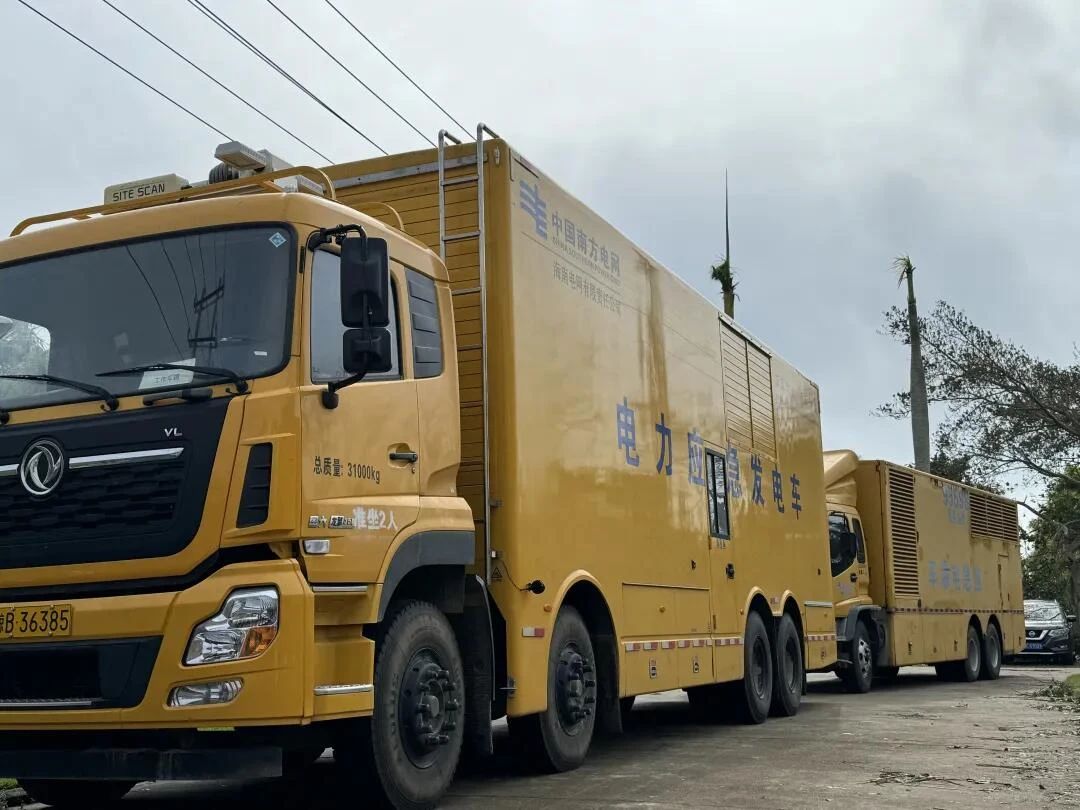
Emergency measures were deployed: mobile generators powered hospitals, and water trucks delivered 608 tons of water. Yet for tens of thousands of residents, access to essentials was temporarily out of reach. Yagi revealed how, even well-developed infrastructure, can fail when climate events exceed the design assumptions of prior decades.
The Iberian Blackout: When Renewable Transition Meets Instability
In April 2025, the Iberian Peninsula experienced one of Europe’s most widespread grid failures. The outage affected Spain, Portugal, Andorra, and parts of southern France, it was one of the most extensive power outages in European history, impacting over 60 million people.

It is believed that Renewable Energy Strain, a high share of solar and wind power, which lacks the stability of conventional sources, may have contributed to grid instability. Spain’s energy system, heavily reliant on solar (59%) and wind (12%), lost 10 GW of solar capacity in just five minutes. The resulting cascade brought down power networks across Spain, Portugal, and parts of France.
The consequences were immediate, transport paralysis, airport disruptions, hospital delays, and eight reported fatalities, some from candle fires, others from generator exhaust fumes.
Although interconnection with France and Morocco provided 2.9 GW of emergency power, full system restoration took 22 hours.
This incident demonstrated how even technologically advanced grids are susceptible to climate-driven instability and how transitions to renewable energy, while necessary, introduce new vulnerabilities unless backed by sufficient system fail-safes.
The Fragility of Systems Once Considered Permanent
According to engineering professor Deb Chachra, the illusion of infrastructure permanence is rooted in outdated assumptions, chiefly, that climate events are rare, predictable, and within known parameters.
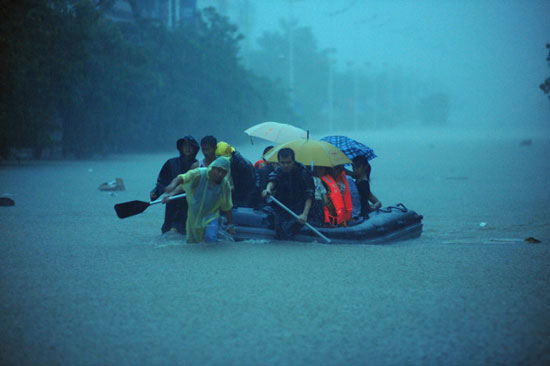
Today’s reality is different:
- Haikou’s grid was not designed for storms of Yagi’s intensity.
- Spain’s blackout showed how renewables can destabilize grids in the absence of traditional energy buffers.
Crucially, infrastructure failures are rarely isolated. Power loss leads to water outages. Communications disappear. ATMs stop working. Hospitals cancel surgeries. The interdependence of systems means a single point of failure can trigger cascading consequences.
Unequal Access to Recovery and Resilience
Access to backup systems is uneven:
During Spain’s blackout, international power imports helped urban centers stabilize quickly; poorer or rural regions waited.
In Haikou, even after the grid was repaired, it took at least 14 hours to refill pipes and residential water tanks to 50% capacity. However, demand surged as residents began using water again, slowing the recovery of pressure in the system. Some neighbourhoods, particularly those at the ends of the pipeline network, continued to experience low water pressure or no water at all.
The Role of the 72-Hour Emergency Kit
Against this backdrop, a 72-hour emergency kit is not a luxury item or a response to panic. It is a practical tool for navigating the window between disruption and institutional response. For households in Haikou, where typhoons regularly stress infrastructure, it buys time, preserves independence, and reduces demand on emergency services.
What an Emergency Kit Should Contain

Water Resilience: Water supply is often the first casualty during grid failure. Beyond storing 4 liters per person per day for drinking and basic hygiene (a minimum of 12 liters per person for 72 hours), urban households should include:
- Water containers, for refilling when supply resumes intermittently.
- Boiling vessel (if gas stoves are operable) or a solar kettle: For disinfection when filtration isn’t sufficient, (don’t forget water containers for flushing).
Nutrition: Emergency nutrition should prioritize compact, high-energy foods with minimal preparation:
- Shelf-stable protein (tinned fish, beans, nut butters)
- Dried carbohydrates (crackers, oats, rice cakes)
- Electrolyte packets or oral rehydration salts
- Manual can opener—often overlooked, frequently needed
Health & Medical Supplies: During blackouts, pharmacies and clinics may be inaccessible. A medical module should cover:
- A robust first aid kit (wound care, antiseptics, burn cream)
- A 3–5 day reserve of prescription medications, stored with desiccants
Light & Power: Power loss creates compounding risks, elevator failures, stairwell darkness, communications blackouts.
- Solar or hand-crank LED lamps (room illumination)
- Compact headlamps for hands-free navigation
- High-capacity power banks (20,000+ mAh) with solar top-up capability
- Rechargeable battery sets with USB chargers
Sanitation: Lack of running water can severely impact hygiene. Key sanitation components:
- Alcohol-based hand sanitizer, bar soap, and feminine hygiene supplies
- Toothbrush and toothpaste
- Quick-dry microfiber towels and wet wipes.
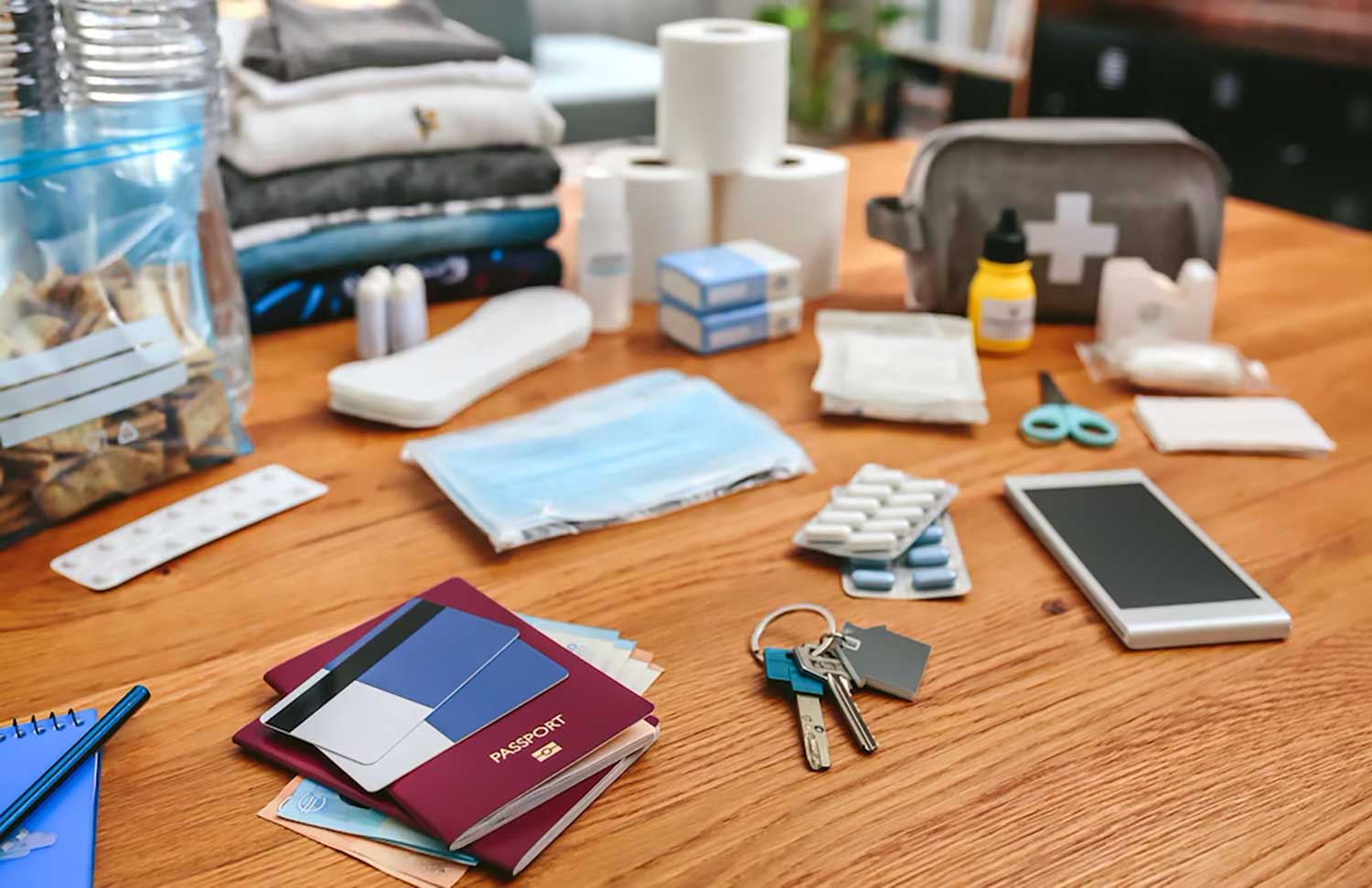
Documentation & Identity: Systemic breakdowns often coincide with financial and bureaucratic access problems.
Waterproof pouch containing:
- Photocopies of ID, residence permits, health records
- Flash drive with scanned documents
- Emergency cash in small denominations
Household-Specific Additions: A standard kit cannot anticipate every household’s needs. Tailor to include:
- Infant care (formula, nappies, bottles)
- Elderly support (medication, extra glasses etc.)
- Pet needs (food, vaccination records etc)
In short, a well-prepared emergency kit is not about survival, it’s about maintaining autonomy, and function when larger systems become temporarily unreliable. It is a buffer that helps individuals and families remain safe and functional when systems temporarily fail.
Related article: How Super Typhoon Yagi Crippled Haikou’s Water and Power Systems