

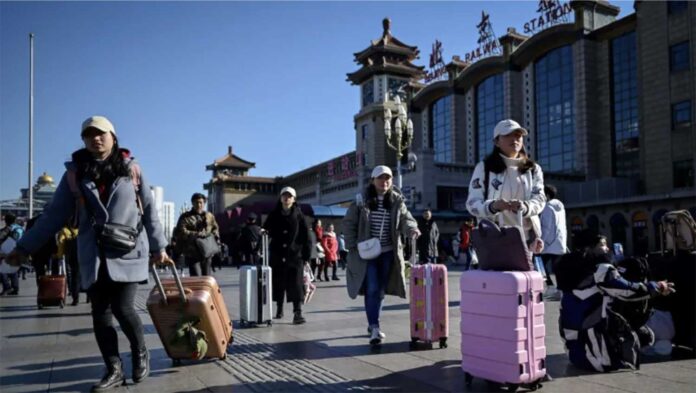
Every winter, China begins to move.
Not in a single surge, but in overlapping flows that ripple across the country. Factory workers leave coastal cities, students return from university towns, and families retrace routes they have taken for years. Trains run at full capacity, platforms are crowded, highways stretch late into the night. For forty days, the world’s most populous country enters a familiar and extraordinary rhythm.
This is chunyun (春运), China’s Spring Festival travel rush. It is widely described as the world’s largest annual human migration, a claim that holds true when understood in the right way.
The 2026 travel window
According to China State Railway Group, the 2026 chunyun period will run from February 2 to March 13, covering 40 days around the Spring Festival, which falls on February 17, 2026.
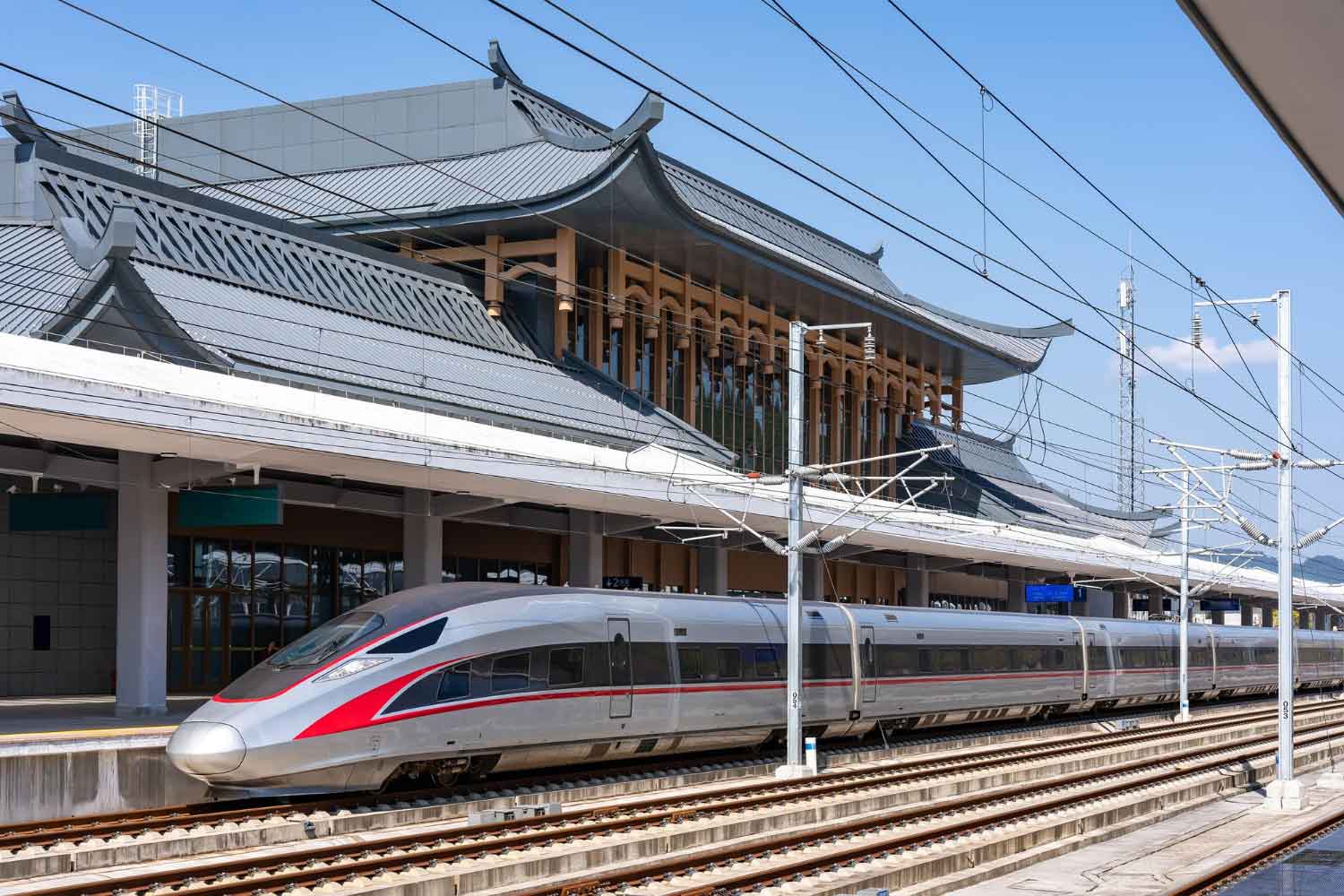
During this time, China’s railway network alone is expected to carry about 539 million passenger journeys, an increase of roughly 5 percent compared with the 2025 travel rush. Rail remains the backbone of long-distance travel, particularly for interprovincial movement.
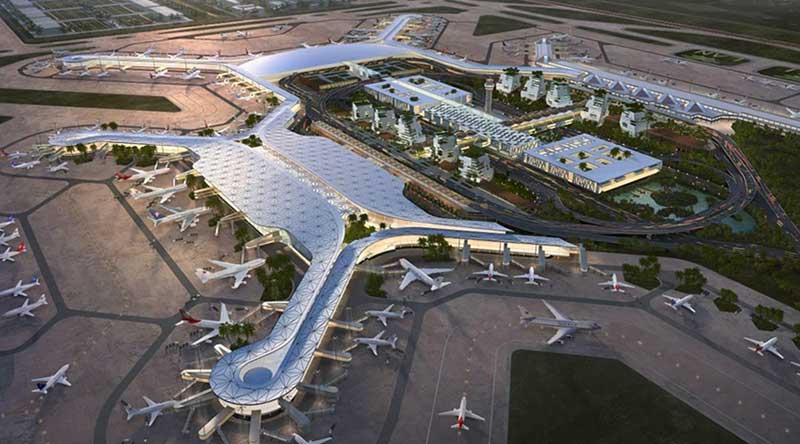
Air travel will also see a sharp rise. The Civil Aviation Administration of China has forecast around 95 million passenger trips by air over the same period.
These figures reflect only part of the picture.
Why Chunyun is called a “migration”
Chunyun is often described as the world’s largest human migration, but that’s not entirely accurate.
This is not migration in the sense of permanent relocation. It is a vast, temporary movement driven by the Spring Festival, China’s most important family holiday. For many people, it is the one guaranteed opportunity each year to return home.
What makes chunyun exceptional is how it is measured. The scale is counted in journeys, not unique individuals. A single traveler usually accounts for at least two trips, outbound and return, and sometimes more. That distinction matters.
When all modes of transport are included rail, road, air, and waterways, total movement during Chunyun reaches into the billions.
In the 2025 season, Chinese authorities reported about 9.02 billion domestic trips nationwide during the Spring Festival travel period, a figure later cited by international media including Reuters. Much of this growth reflects counting of self-driving road travel, alongside expanded expressway networks.
How Chunyun compares globally
Large-scale annual movements exist elsewhere, but they are measured in different ways and serve different purposes.

In the United States, Thanksgiving travel typically involves around 80 to 90 million travelers, counted as people rather than trips.
The Hajj pilgrimage brings roughly 1.6 to 2 million pilgrims to Mecca each year, concentrated in a single destination. India’s Kumbh Mela can draw hundreds of millions of visits over several weeks, but those figures reflect attendance rather than origin-to-destination transport journeys.
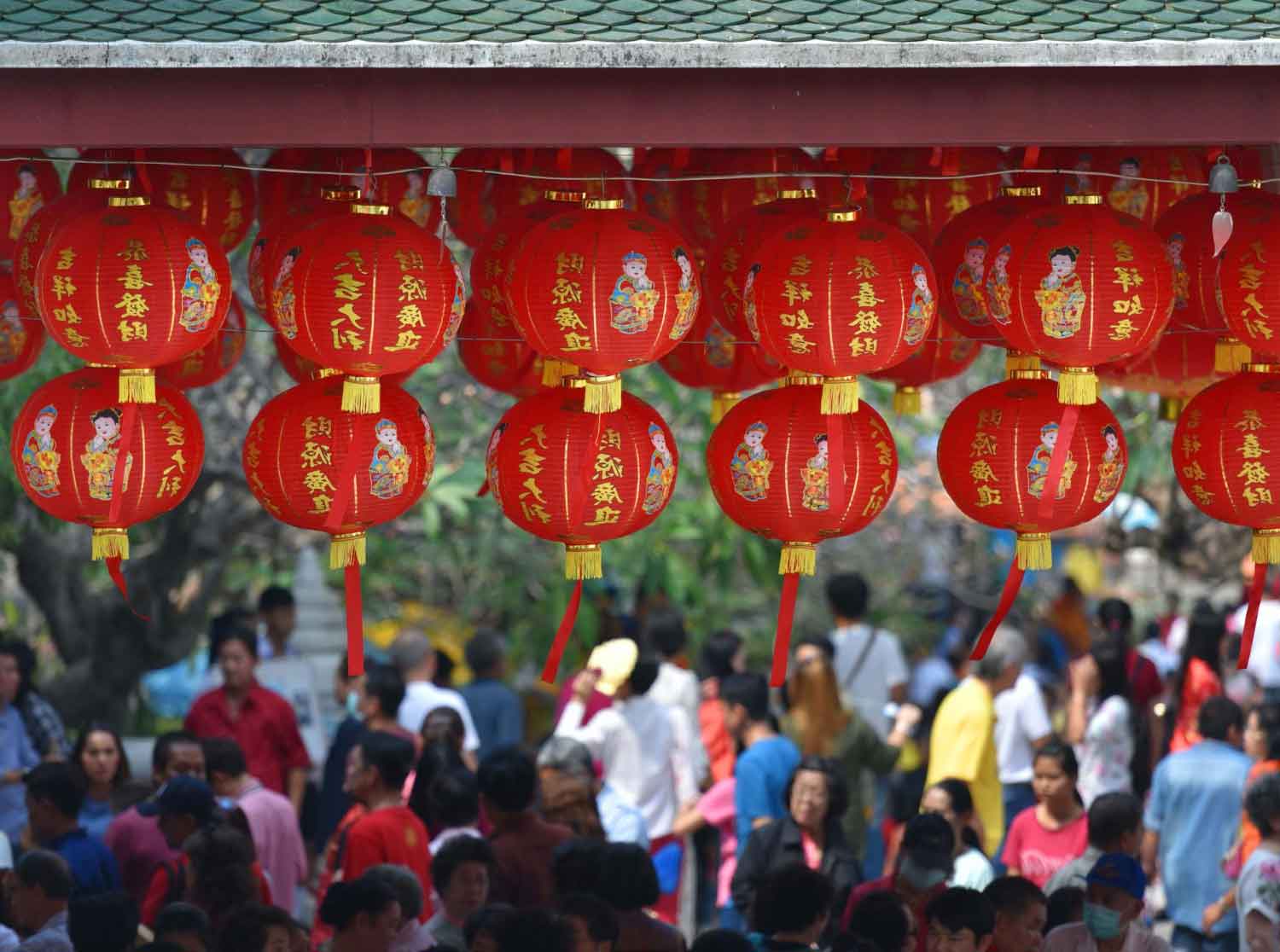
Chunyun is different. It unfolds nationwide, across thousands of cities and towns, every year. Its defining feature is not crowd density at one site, but the simultaneous movement of people in all directions across an entire country.
Measured by total passenger journeys within a fixed 40-day window, there is no close equivalent.
Why it happens
At its core, chunyun is about home.
Decades of economic development have drawn millions of people from rural areas and smaller cities into large urban centers. Spring Festival remains the moment when distance gives way to tradition. For many families, it is the only full reunion of the year.
Major cities temporarily thin out. Small towns and villages swell almost overnight. A few weeks later, the flow reverses and the pattern resets.
Managing the peak in 2026
To cope with demand during the 2026 travel rush, railway operators have announced several passenger-facing measures, including:
- Limited-time free refunds for mistakenly purchased tickets
- Expanded quiet carriage services on selected trains
- Discounted fares for students
Individually, these are small adjustments. Together, they reflect ongoing efforts to make travel more manageable during the busiest transport period of the year.
For a few weeks each winter, China becomes a study in motion. Station halls fill with the sounds of rolling luggage, high-speed trains depart every few minutes, and rural roads are busy late into the night as families make the final kilometers home.
Then, just as reliably, work resumes. as cities refill. Until the following year, when the cycle begins again.
Related article: What Counts as “Illegal Work” in China, and What People Often Get Wrong