Recently, there has been a series of incidents in Hainan involving illnesses triggered by mistakenly picking and ingesting toxic plants. Among these cases, one incident involved the consumption of the toxic plant known as Stephania tetrandra “Aomai Ding Gong Teng” (凹脉丁公藤), resulting in the death of one individual.
In Hainan, foraging, picking (and selling) wild plants is popular, but it’s important to know which plants are dangerous as this practice can pose serious health risks.
As Hainan heads into the summer season characterised by high temperatures and heavy rainfall, wild plants are now blooming. This heightened growth period raises the likelihood of inadvertently harvesting and consuming toxic plants.
Common toxic plants in Hainan Province include:
Manchineel tree:
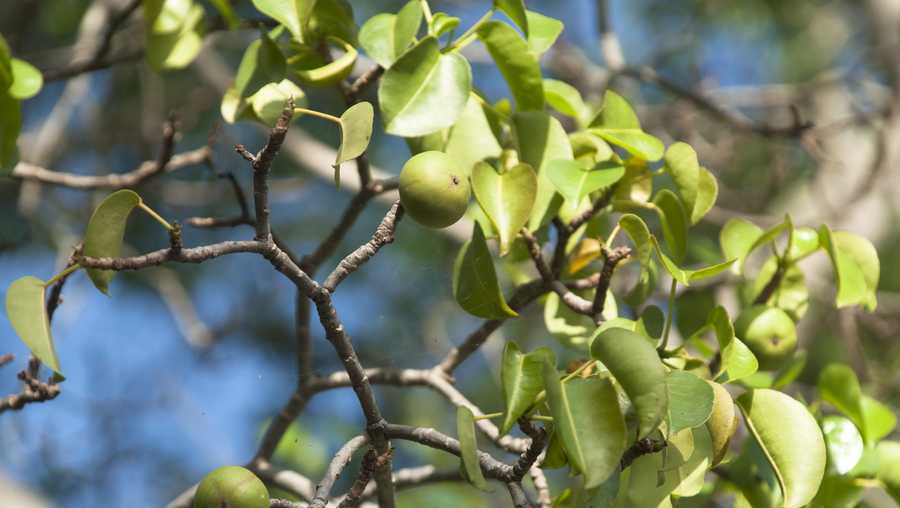
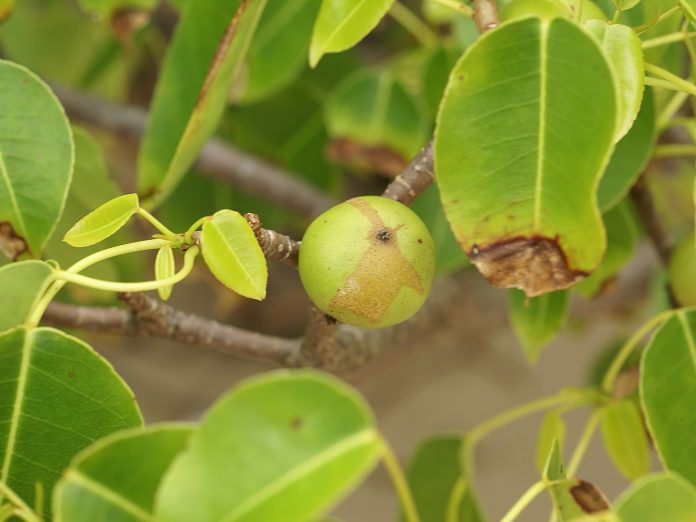
The “麻风果” (Ma Feng Guo), often called the most toxic tree in the world and known locally as false peanuts or wood peanuts, is the fruit of the Ma Feng tree (Manchineel tree). All parts of the tree contain strong toxins. Its milky white sap contains phorbol and other skin irritants, producing strong allergic contact dermatitis.
Standing beneath the tree during rain will cause blistering of the skin from mere contact with this liquid: even a small drop of rain with the sap in it will cause the skin to blister. Burning the tree may cause ocular injuries if the smoke reaches the eyes. Contact with its milky sap (latex) produces bullous dermatitis, acute keratoconjunctivitis and possibly large corneal epithelial defects.
The fruit is potentially fatal if eaten, ingestion can produce severe gastroenteritis with bleeding, shock, and bacterial superinfection, as well as the potential for airway compromise due to edema.
When ingested, the fruit is reportedly “pleasantly sweet” at first, with a subsequent “strange peppery feeling … gradually progressing to a burning, tearing sensation and tightness of the throat.” Symptoms continue to worsen until the patient can “barely swallow solid food because of the excruciating pain and the feeling of a huge obstructing pharyngeal lump.
The Manchineel tree grows in fields, roadsides, and thickets. It is often cultivated (Hainan residents commonly plant it to form natural fences), but it also grows wild.
It can be found in cities and counties of Haikou, Sanya, Wuzhishan, Qiongzhong, Wenchang, Dongfang, Changjiang, Danzhou, Baoting, Wanning, Lingao, Chengmai, Ledong, and Lingshui.
Poisoning incidents caused by mistakenly consuming the fruit most often involve children, primary and secondary school students, and migrant workers from other regions picking and eating it along roadsides and in villages.
Poisoning cases occur almost every year. The period from June to October is the peak season for incidents.
Dioscorea hispida: (intoxicating yam)
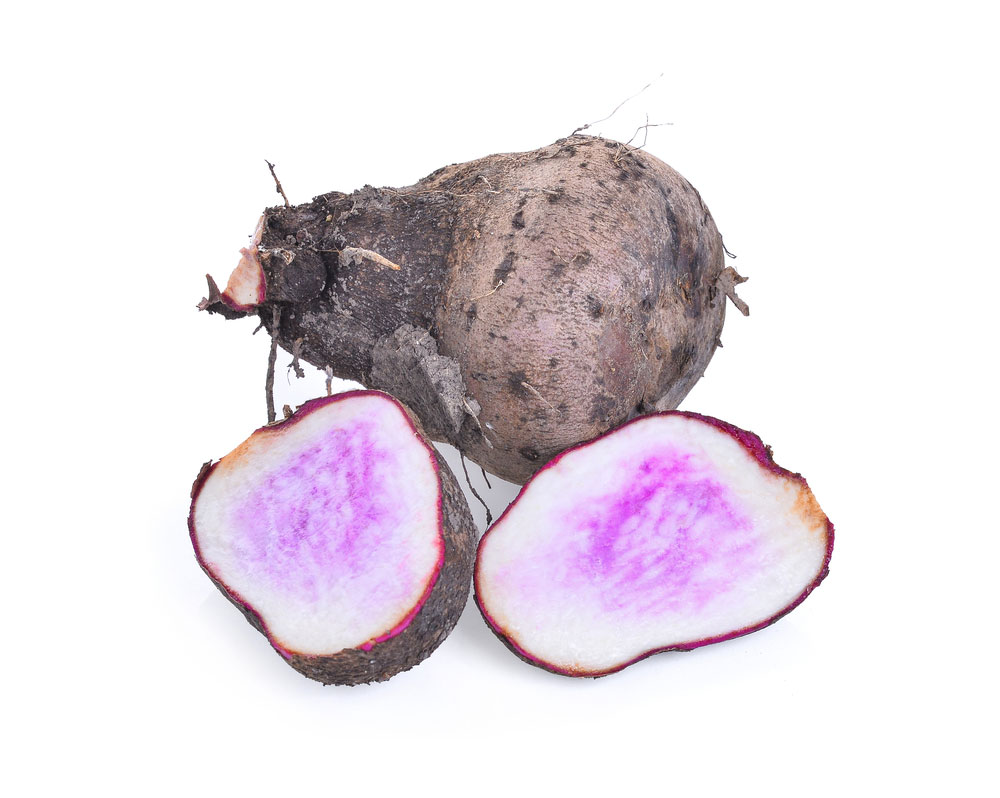
Dioscorea hispida (榜薯), also known as White Yam Vine, is a member of the Dioscoreaceae family. It’s a twining herbaceous vine with tubers of varying sizes, typically oval or elliptical, with brown skin. It produces numerous slender adventitious roots, and when cut fresh, the cross-section appears white or with a slight bluish tinge.
Dioscorea hispida is toxic and resembles edible tubers such as cassava, which often leads to accidental ingestion and subsequent poisoning. Symptoms of poisoning include headaches, dizziness, nausea, vomiting, abdominal pain, diarrhoea, and limb numbness.
Dioscorea hispida is primarily found in regions including Hainan, Fujian, Guangdong, and Guangxi. In Hainan Province, incidents of poisoning resulting from mistakenly consuming Dioscorea hispida have been reported in Ledong, Haikou, Chengmai, and Wuzhishan.
Green Beans (kind of …)
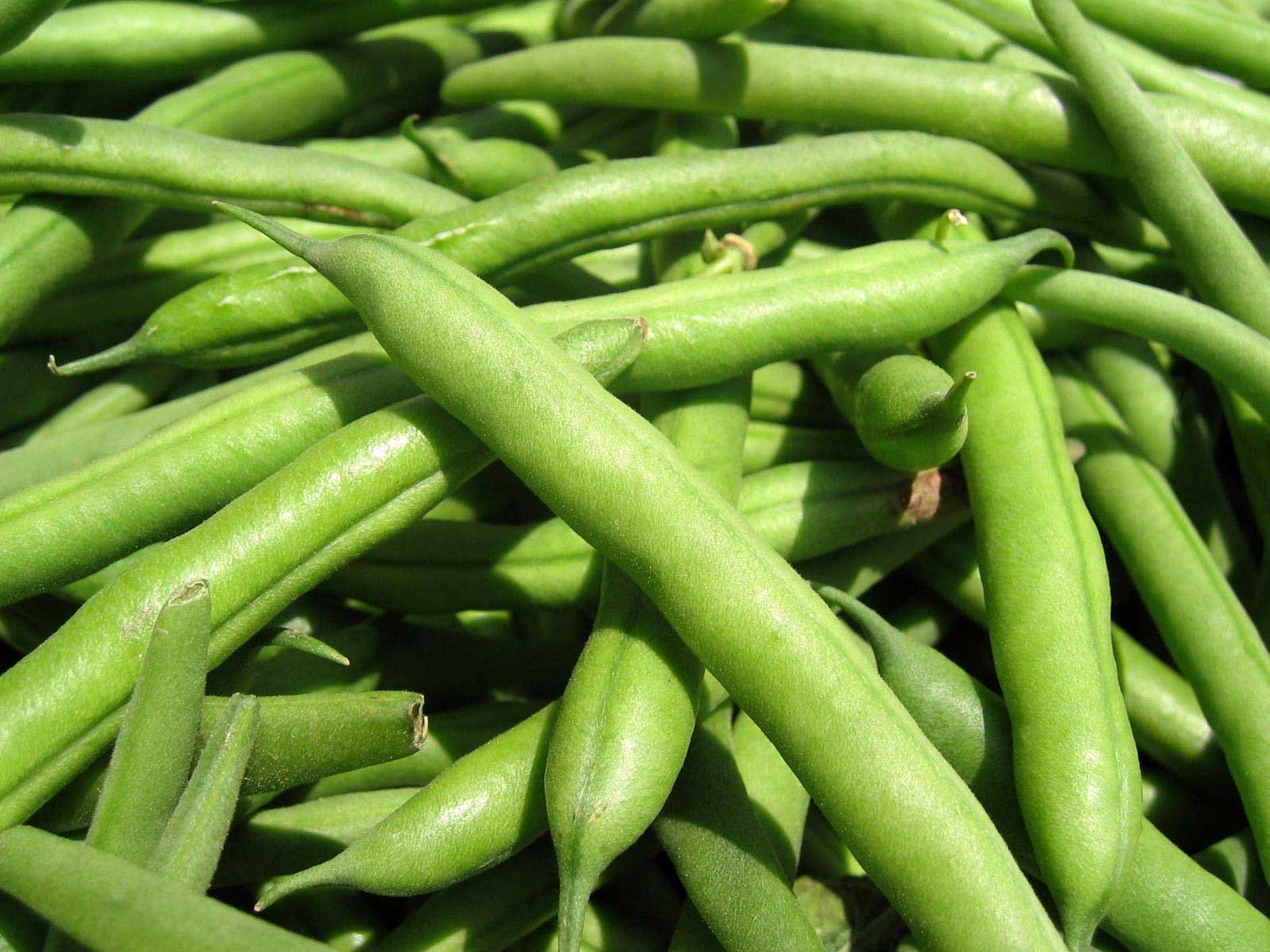
Green beans, also known as string beans, snap beans or French beans, are generally safe to eat. However, like most beans, raw green beans contain lectins, a type of protein that can bind to cell membranes and cause them to rupture.
Eating raw or undercooked green beans can lead to digestive issues like nausea, vomiting, and diarrhoea. Lectins can also cause inflammation and damage the lining of the gut, which can lead to leaky gut syndrome.
While it’s safe to consume a small number of raw green beans, it’s best to avoid eating them in large quantities. If you must eat them, it’s recommended to cook them first to reduce the lectin content.
Cooking green beans will also make them more digestible and help to preserve their nutrients.
While green beans are not toxic, they can cause gastrointestinal distress if consumed in large quantities, especially when raw. Therefore, it’s generally recommended to cook green beans before eating them.
Datura stramonium: (曼陀罗)
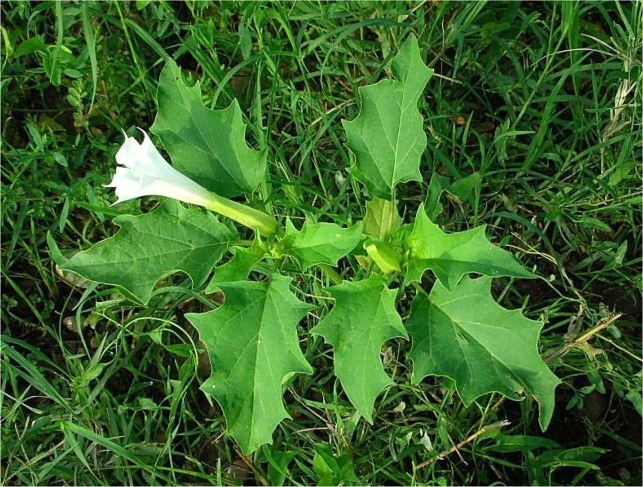
Datura stramonium (DS), known as Jimson weed is a wild-growing herb. The entire plant especially the foliage and seeds, is toxic due to its content of tropane alkaloids. There are recorded cases of fatal poisoning in dogs after eating Jimson weed seeds. The contained atropine, L-hyoscyamine and L-scopolamine causing anticholinergic syndrome.
Typical symptoms of DS poisoning are represented by dry skin and mucosa, flushing, mydriasis, sinus tachycardia, hyperpyrexia, decreased bowel activity, urinary retention, and neurological disorders with ataxia, impaired short-term memory, disorientation, confusion, hallucinations (visual and auditory), psychosis, agitated delirium, seizures, and coma. In severe cases, death can occur due to medullary paralysis.
Although you can also get poisoned by touching and inhaling Datura stramonium, ingesting it leads to the most severe side effects.
Stephania tetrandra: (凹脉丁公藤)
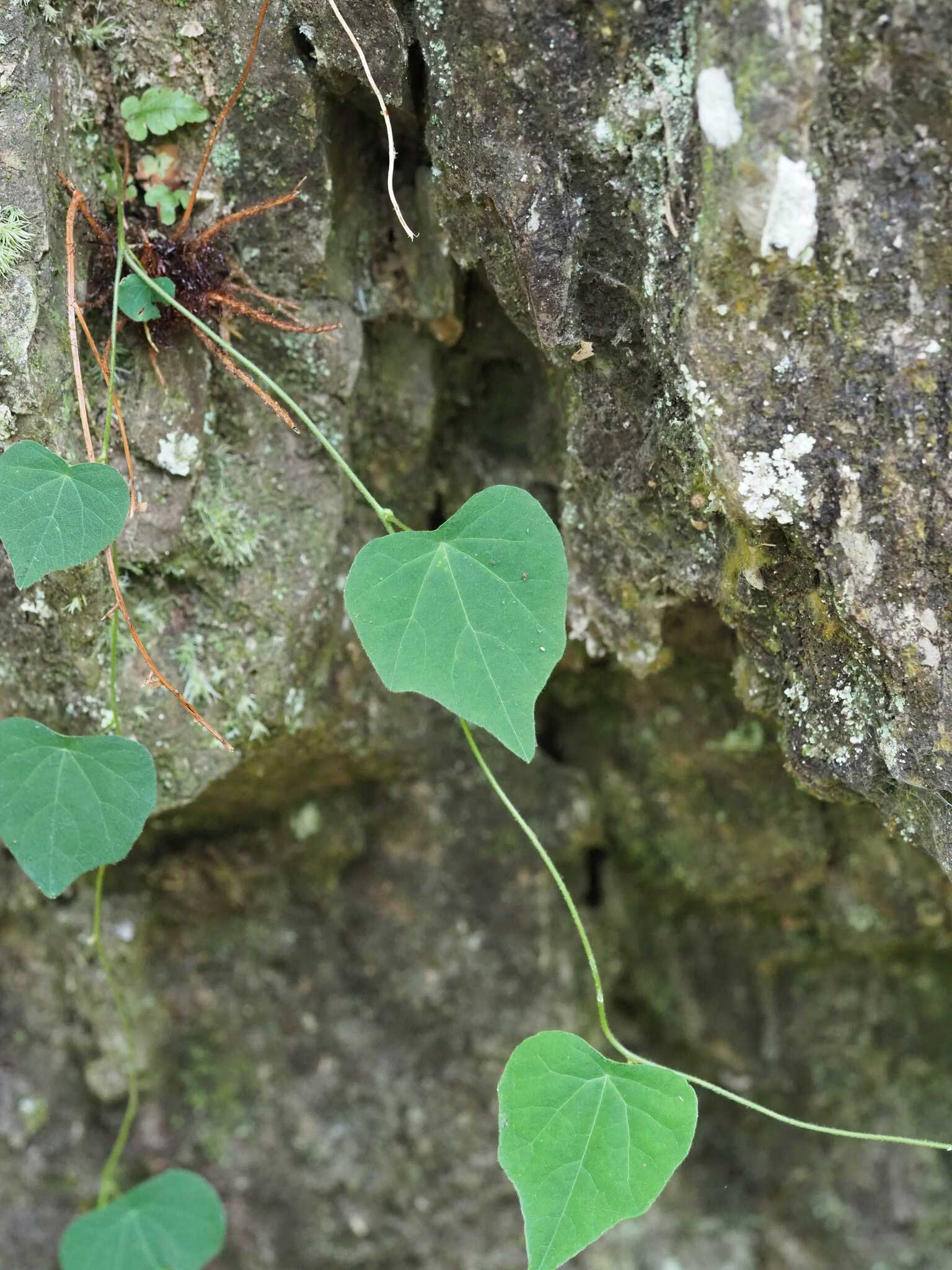
Stephania tetrandra occurs in shrublands at village margins, open fields, and roadsides in Anhui, Fujian, Guangdong, Guangxi, Hainan, Hubei, Hunan, Jiangxi, Zhejiang and Taiwan Provinces.
The root of this plant is known in Chinese as “Fen Fang Ji”. It is commonly used in traditional Chinese medicine to treat arthralgia caused by rheumatism, wet beriberi, dysuria, eczema and inflamed sores.
Ingestion of the stems and leaves of this species can cause severe diarrhoea and vomiting. It bears a resemblance to a single-rooted vine commonly used by residents of Hainan for medicinal and dietary purposes and shares a similar habitat, making it easy to mistake and consume unintentionally.
Related article: More on Nature, wildlife and environment on Hainan Island