Hepatitis E Case from Undercooked Pork Liver: Symptoms, Risks, and Prevention Tips

A recent hepatitis E case involving undercooked pork liver has raised awareness of food safety practices, particularly in cooking animal liver thoroughly. Health experts recommend taking precautions to reduce hepatitis E virus (HEV) transmission risks, which can arise from undercooked meat products.

Case Report: Hepatitis E Infection After Pork Liver Consumption

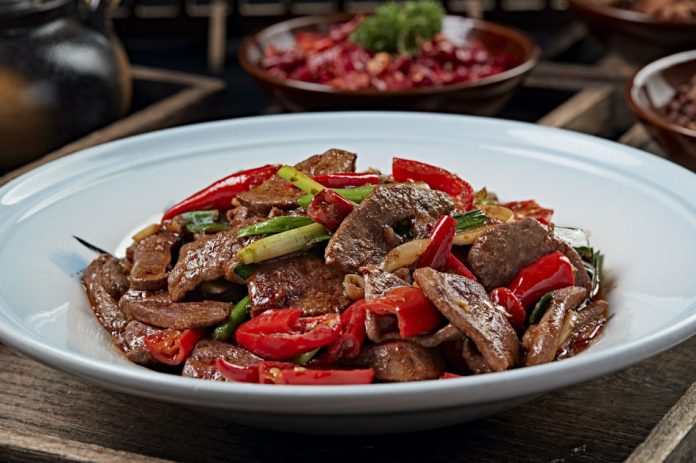
Recently, a 67-year-old man, Mr. Yuan, was diagnosed with hepatitis E at Nanjing First Hospital. Mr. Yuan had consumed a large portion of stir-fried pork liver at home, a dish he frequently enjoys.

After his meal, he experienced nausea, fatigue, and bloating, initially attributing his symptoms to minor stomach upset. However, his condition worsened over the week, marked by darkened urine and extreme fatigue. Tests confirmed hepatitis E, with liver function levels elevated far beyond normal.

A similar case occurred in December 2021, when a 52-year-old man in Zhejiang developed severe symptoms, including back pain and darkened urine, after eating stir-fried pork liver. Medical assessments confirmed that the man had hepatitis E, and he required intensive treatment before eventually recovering.

Understanding Hepatitis E and Vulnerable Groups

Hepatitis E, caused by the hepatitis E virus (HEV), is an acute form of viral hepatitis transmitted through contaminated food and water, as well as undercooked pork or shellfish. Though hepatitis E is less commonly recognized than hepatitis A or B, it is the leading cause of acute viral hepatitis in China, with mortality rates around ten times higher than those of hepatitis A.

Certain groups are particularly susceptible to severe hepatitis E complications:

Pregnant women and elderly individuals: Infections in these groups can lead to higher mortality rates.

Organ transplant recipients, blood cancer patients, and people with HIV/AIDS: HEV infections may become chronic in these individuals, potentially progressing to liver cirrhosis.

Individuals with pre-existing liver disease: Infection with HEV in these patients may result in severe hepatitis.

How Hepatitis E is Transmitted

The primary routes of HEV transmission include:

Digestive Tract Transmission: HEV can spread through contaminated water, utensils, and unwashed produce. Eating undercooked pork, pork liver, shellfish, or similar foods is a potential source of infection.

Blood and Mother-to-Child Transmission: HEV may be transmitted through blood transfusions or during pregnancy through the placenta.

Close Contact Transmission: HEV can spread through close contact with infected individuals or animals.

Why Pork Liver May Carry HEV and How to Stay Safe

HEV can survive in animal liver that is not cooked at a high enough temperature. Stir-frying, for example, may not thoroughly heat the meat. Doctors advise that pork liver can be safe to consume if cooked thoroughly at a high temperature (100°C) for at least 3–5 minutes, which effectively kills HEV.

Tips for Preventing Hepatitis E Infection

Food Safety Tips

Vaccination: Hepatitis E vaccination is the most effective method of prevention, particularly for those at higher risk of complications.

Cook Thoroughly: Avoid eating undercooked meat and seafood, especially pork liver.

Separate Utensils: Use separate utensils for handling raw and cooked foods to prevent cross-contamination. Ensure all fruits and vegetables are properly washed.

Store Food Safely: Store different foods separately in sealed containers to prevent cross-contamination.

If symptoms such as jaundice, fatigue, fever, nausea, or liver pain appear, it is important to seek medical care promptly to prevent more serious liver complications.

Related article: Free Hepatitis B Vaccination Program for 20-40 Year-olds Launched in Hainan
Free Hepatitis B Vaccination Program for 20-40 Year-olds Launched in Hainan – TropicalHainan.com

Hainan Province launches free hepatitis B vaccination drive for 20-40 age group, aiming to boost public health resilience
www.tropicalhainan.com
SourceSource

- Follow Us on WeChat -

spot_img

Related articles:

How Hainan’s 30% Rule Is Beginning to Shape Business Decisions

How Hainan’s 30% rule is beginning to shape business decisions for companies using the FTP’s customs route into mainland China ...

Typhoon Season 2026, What Hainan Residents Can Expect in the Coming Months

Typhoon Season 2026 in Hainan: What residents need to know about storm forecasts, El Niño impacts, ferry suspensions, airport disruptions, warning levels, and how to prepare for typhoons from July to October ...

Want to Stay in China After Graduation? Hainan Has a Startup Route

How international graduates can stay in China after graduation through Hainan’s startup residence route, and why it does not allow paid work ...

A Spouse on an S Visa: What They Can and Cannot Legally Do in China

What spouses on S visas in China can and cannot legally do, including work, tutoring, remote work, volunteering, tax, and permit risks ...

Get weekly email updates for new articles published!

Follow Us on WeChat

spot_img

Latest Articles ...

A complete guide, how to apply online for a provisional driving permit in Hainan as a foreign national, including the application steps, required documents, and the online learning module you must complete ...
Foreign employees in China may have a Housing Provident Fund account they have never checked. The balance, employer contributions included, can be withdrawn in full when you leave. Here is how to claim it before you go …
You contributed 8% of your salary to a Chinese pension account every month. Many expats leave without claiming it. Here is a breakdown of what you are owed and the window you cannot afford to miss ...
Changing jobs in Hainan follows a legal sequence with defined deadlines at the key steps. Here is what the official rules and related official guidance say about work permit cancellation, the gap period, and when you can legally start work …
spot_img

China’s Green Card: How Rare Is It, and What It Takes to Get One

Between 2004 and 2017, China issued just over 10,000 permanent residency permits to foreign nationals. This guide explains the four eligibility routes, the real criteria, and your honest odds of qualifying …

Why Your Passport Doesn’t Work: A Foreigner’s Guide to China’s ID-Only Systems

Your passport is legally valid for trains, hotels, SIM cards and payment accounts in China. The problem isn't the rules, it's the systems built on top of them …

China’s 2026 Work Permit Salary Rules: Who Actually Needs to Worry?

China’s work permit salary thresholds have raised concerns among foreign professionals. This explainer clarifies the 6× and 4× rules, why the figures appear high, and who is actually affected ...

Change Jobs in China Without Losing Your Legal Status

A practical guide to changing employers in China without losing your work permit or residence status, with timelines, documents, and common risks explained ...
spot_img

Looking for an international pre-school in Haikou?

Flora's International Preschool has three preschools in the Haikou area. Our schools follow a European curriculum

Continue Reading ...

How Hainan’s 30% Rule Is Beginning to Shape Business Decisions

How Hainan’s 30% rule is beginning to shape business decisions for companies using the FTP’s customs route into mainland China ...

Typhoon Season 2026, What Hainan Residents Can Expect in the Coming Months

Typhoon Season 2026 in Hainan: What residents need to know about storm forecasts, El Niño impacts, ferry suspensions, airport disruptions, warning levels, and how to prepare for typhoons from July to October ...

Want to Stay in China After Graduation? Hainan Has a Startup Route

How international graduates can stay in China after graduation through Hainan’s startup residence route, and why it does not allow paid work ...

Get weekly email updates for new articles published!

Never miss another important notice or event. Be informed of what you need to know, when you need to know it.