Human Metapneumovirus: Rising Cases in China, But Not Another COVID-19

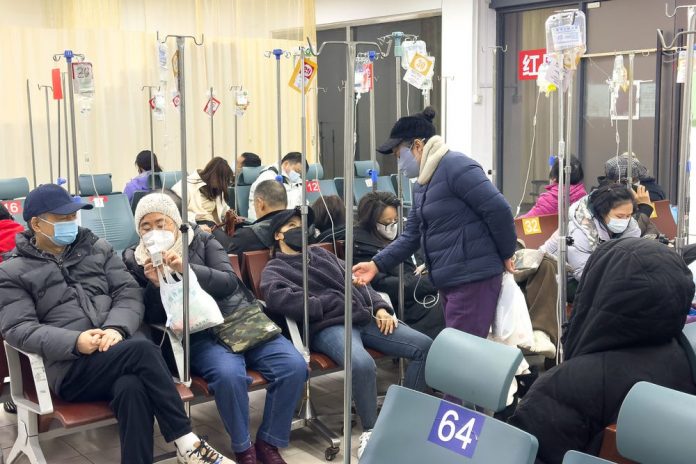
Recent weeks have seen a rise in respiratory illnesses across China, prompting concerns among the public. Among these is human metapneumovirus (HMPV), a virus causing respiratory infections. While images of crowded hospitals and online discussions may evoke memories of the early COVID-19 pandemic, health experts emphasize that HMPV is not a new virus and does not pose the same threat.

Here’s what you need to know about HMPV, its symptoms, transmission, and how to stay protected.

What Is Human Metapneumovirus?

HMPV is a common virus that causes acute respiratory infections, especially during colder months. First identified in the Netherlands in 2001, it has likely been affecting humans for over 60 years. Unlike COVID-19, HMPV is well-understood, and most people develop some level of immunity after their first infection.

Although HMPV can infect individuals of all ages, it tends to cause more severe symptoms in young children, older adults, and those with weakened immune systems. Symptoms typically include:

Cough, fever, nasal congestion, and shortness of breath.

In severe cases, bronchiolitis or pneumonia, particularly in children under 5 and elderly individuals.

Most infections resolve on their own within 1–2 weeks, and there is no vaccine or specific antiviral treatment available yet.

How Does HMPV Spread?

HMPV spreads in much the same way as other respiratory viruses:

Droplet Transmission: Through coughing or sneezing.

Contact Transmission: By touching contaminated surfaces like doorknobs, phones, or toys and then touching your face.

The virus can survive on surfaces for hours, underscoring the importance of maintaining cleanliness.

Why HMPV Is Not Like COVID-19

HMPV differs significantly from COVID-19. Unlike the novel coronavirus that caused a global pandemic, HMPV has been around for decades, and its behaviour is well-documented.

Prior Immunity: Most individuals are exposed to HMPV in childhood, which helps mitigate severe reinfections.

Known Transmission and Effects: The virus does not spread as rapidly or unpredictably as COVID-19, and its symptoms are generally milder.

No Emergency Status: The World Health Organization (WHO) does not classify the current rise in HMPV cases as a global health emergency.

Virologists and immunologists, such as Jill Carr from Flinders University, emphasize that while high HMPV case numbers may strain hospital resources, the situation is fundamentally different from the initial threat of SARS-CoV-2.

Prevention Tips to Stay Healthy

The Chinese CDC and global health experts recommend taking these precautions to prevent HMPV infections:

Practice Good Hygiene: Wash your hands regularly with soap and water for at least 20 seconds.

Wear Masks: Especially in crowded or confined spaces.

Ensure Proper Ventilation: Keep indoor spaces well-ventilated.

Boost Immunity: Eat a balanced diet, exercise, and maintain a regular routine.

For those in high-risk groups—children, elderly individuals, and immunocompromised people—monitor symptoms closely and seek medical attention if severe issues, such as breathing difficulties or persistent high fever, occur.

The Bigger Picture

While HMPV cases are rising in China, respiratory infections tend to peak in winter, and this trend is not unique to HMPV. China’s health authorities have reported that they are actively monitoring the situation, with a focus on early detection and response to prevent further strain on healthcare systems.

Though concerning, the current increase in HMPV cases does not indicate a new pandemic. By understanding the virus, its transmission, and effective prevention methods, individuals can protect themselves and their families.

Related article: Keep up-to-date with the latest from Health and Welfare

SourceSource

- Follow Us on WeChat -

spot_img

Related articles:

Hainan’s Free Trade Port Is Moving From Incentives to Usability

Hainan’s new services plan points to a shift in how foreign operators may use the FTP: banking, permits, policy access and talent recognition …

How Hainan’s 30% Rule Is Beginning to Shape Business Decisions

How Hainan’s 30% rule is beginning to shape business decisions for companies using the FTP’s customs route into mainland China ...

Typhoon Season 2026, What Hainan Residents Can Expect in the Coming Months

Typhoon Season 2026 in Hainan: What residents need to know about storm forecasts, El Niño impacts, ferry suspensions, airport disruptions, warning levels, and how to prepare for typhoons from July to October ...

Want to Stay in China After Graduation? Hainan Has a Startup Route

How international graduates can stay in China after graduation through Hainan’s startup residence route, and why it does not allow paid work ...

Get weekly email updates for new articles published!

Follow Us on WeChat

spot_img

Latest Articles ...

What spouses on S visas in China can and cannot legally do, including work, tutoring, remote work, volunteering, tax, and permit risks ...
A complete guide, how to apply online for a provisional driving permit in Hainan as a foreign national, including the application steps, required documents, and the online learning module you must complete ...
Foreign employees in China may have a Housing Provident Fund account they have never checked. The balance, employer contributions included, can be withdrawn in full when you leave. Here is how to claim it before you go …
You contributed 8% of your salary to a Chinese pension account every month. Many expats leave without claiming it. Here is a breakdown of what you are owed and the window you cannot afford to miss ...
spot_img

China’s Green Card: How Rare Is It, and What It Takes to Get One

Between 2004 and 2017, China issued just over 10,000 permanent residency permits to foreign nationals. This guide explains the four eligibility routes, the real criteria, and your honest odds of qualifying …

Why Your Passport Doesn’t Work: A Foreigner’s Guide to China’s ID-Only Systems

Your passport is legally valid for trains, hotels, SIM cards and payment accounts in China. The problem isn't the rules, it's the systems built on top of them …

China’s 2026 Work Permit Salary Rules: Who Actually Needs to Worry?

China’s work permit salary thresholds have raised concerns among foreign professionals. This explainer clarifies the 6× and 4× rules, why the figures appear high, and who is actually affected ...

Change Jobs in China Without Losing Your Legal Status

A practical guide to changing employers in China without losing your work permit or residence status, with timelines, documents, and common risks explained ...
spot_img

Looking for an international pre-school in Haikou?

Flora's International Preschool has three preschools in the Haikou area. Our schools follow a European curriculum

Continue Reading ...

Hainan’s Free Trade Port Is Moving From Incentives to Usability

Hainan’s new services plan points to a shift in how foreign operators may use the FTP: banking, permits, policy access and talent recognition …

How Hainan’s 30% Rule Is Beginning to Shape Business Decisions

How Hainan’s 30% rule is beginning to shape business decisions for companies using the FTP’s customs route into mainland China ...

Typhoon Season 2026, What Hainan Residents Can Expect in the Coming Months

Typhoon Season 2026 in Hainan: What residents need to know about storm forecasts, El Niño impacts, ferry suspensions, airport disruptions, warning levels, and how to prepare for typhoons from July to October ...

Get weekly email updates for new articles published!

Never miss another important notice or event. Be informed of what you need to know, when you need to know it.