
It isn’t just smarter software. It’s presence.
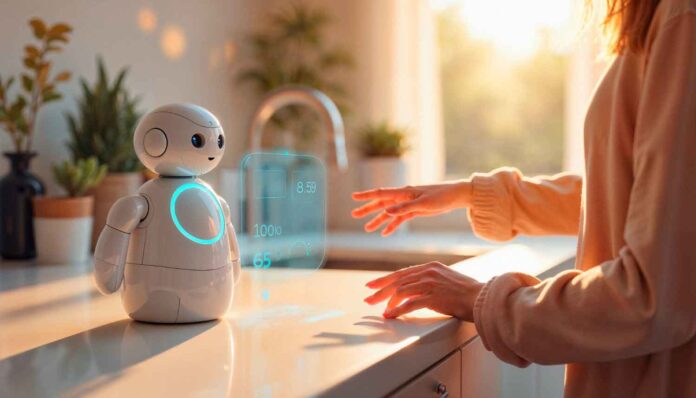
Artificial intelligence no longer lives only on screens, inside apps, or behind voice commands. In 2026, AI is taking on a physical role inside the home itself, cleaning, moving, watching, listening, responding, and increasingly acting on its own.
The real change isn’t just smarter software. It’s presence. AI-powered machines are now being designed to operate continuously in living rooms, kitchens, gardens, and apartments. They aren’t novelty gadgets or tech demos either. They’re meant to blend into daily life and run with little human attention.
Many of these products are already finished, mass-produced, and entering real homes.
A large part of this shift is being driven by Chinese companies. Firms like Dreame Technology, TCL, and Hisense Group aren’t talking about what AI might do someday. They’re shipping products designed to sit quietly in domestic spaces and handle everyday tasks without constant supervision.
For people living in China, this isn’t a distant future. It’s showing up in living rooms now.
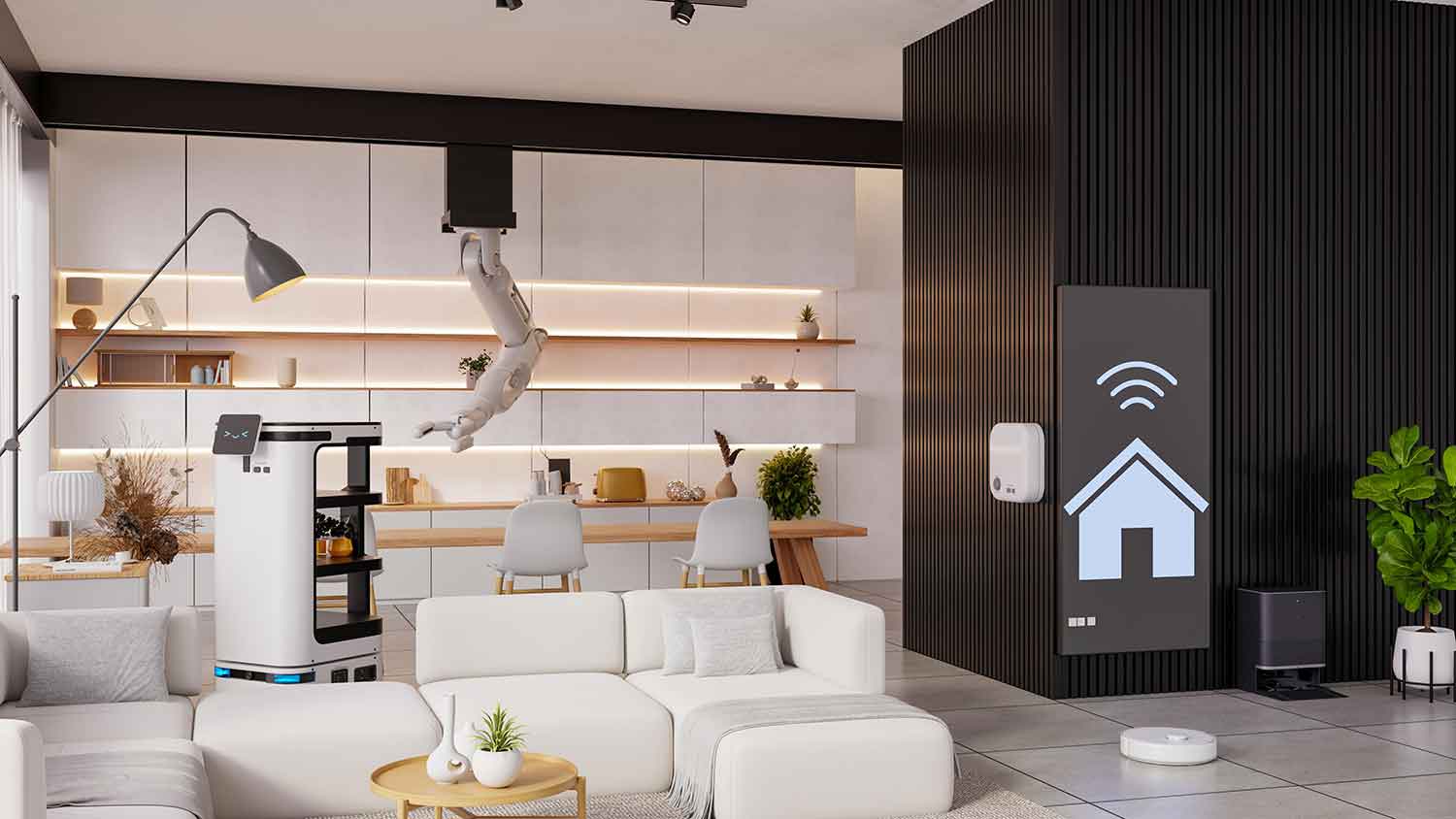
Embodied AI products at CES 2026
That reality became hard to ignore this year when dozens of Chinese companies brought home-focused AI and robotics systems to a global stage. At CES 2026, roughly 40 Chinese startups alone showcased robots, smart appliances, and embodied AI products aimed not at factories, but at ordinary homes.
These technologies are no longer experimental. They’re stable enough to be demonstrated at scale, and ordinary enough to be presented as part of everyday domestic life.
What kinds of AI are entering the home first
This isn’t a single “home robot” moment. What’s arriving instead is a layered set of upgrades, starting with tasks people already want to hand off.
AI that lives on your face, not in your phone
One of the most subtle shifts is also one of the most personal. Screens are leaving pockets and moving closer to your eyes.
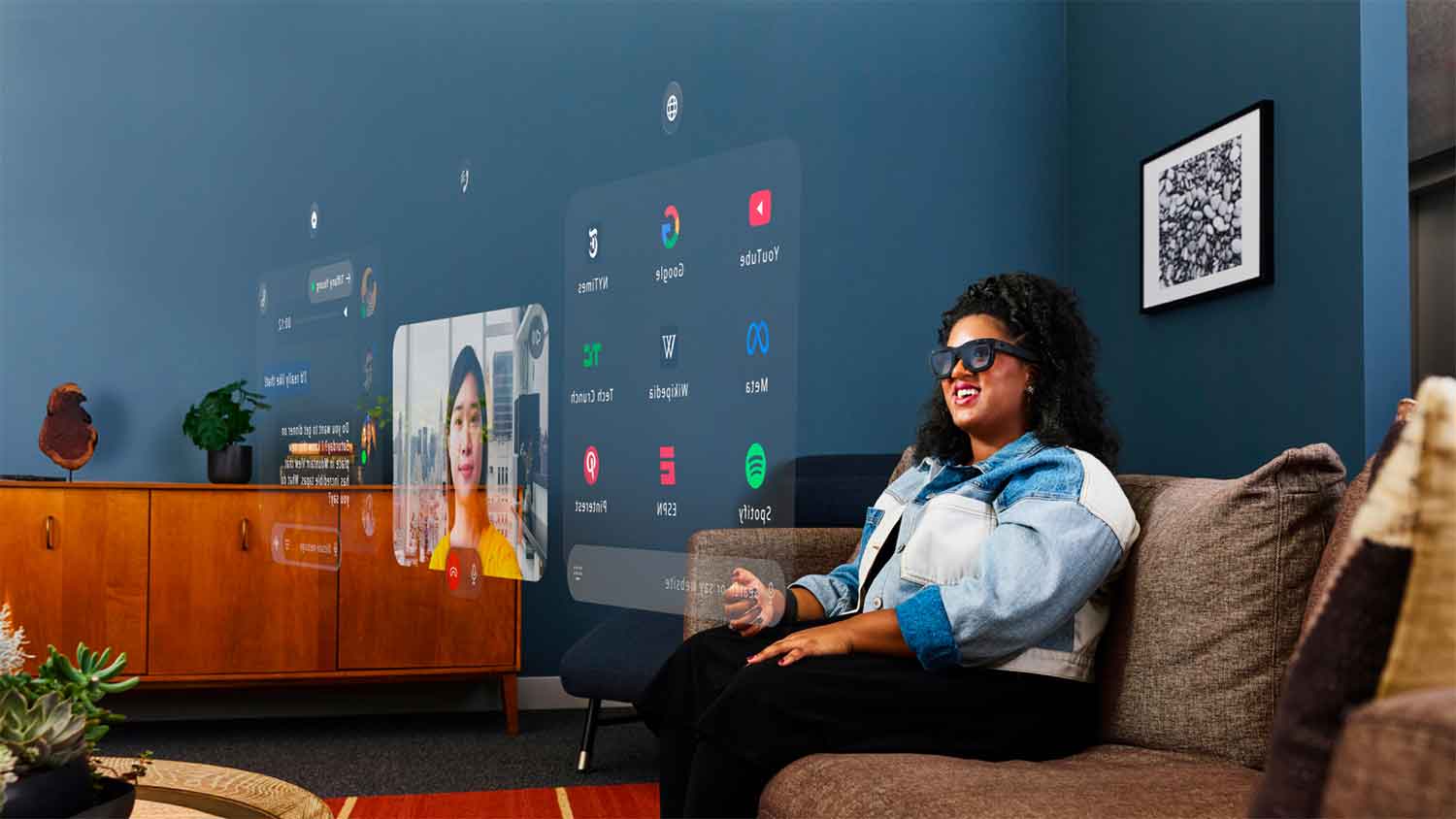
Smart glasses and lightweight AR devices are starting to appear as everyday tools, not for gaming or flashy demos, but for navigation, media, reminders, and ambient information. Instead of pulling out a phone, information shows up where you’re already looking.
Products like RayNeo’s latest AR glasses are positioned as personal, wearable displays that connect to the wider home ecosystem. They’re less like gadgets and more like a private screen that follows you around your apartment.
It’s a small change in form, but (if widely adopted), a huge change in habit.

AI that cleans, maintains, and manages space
The first AI most people welcome into their homes does the work no one wants to do.
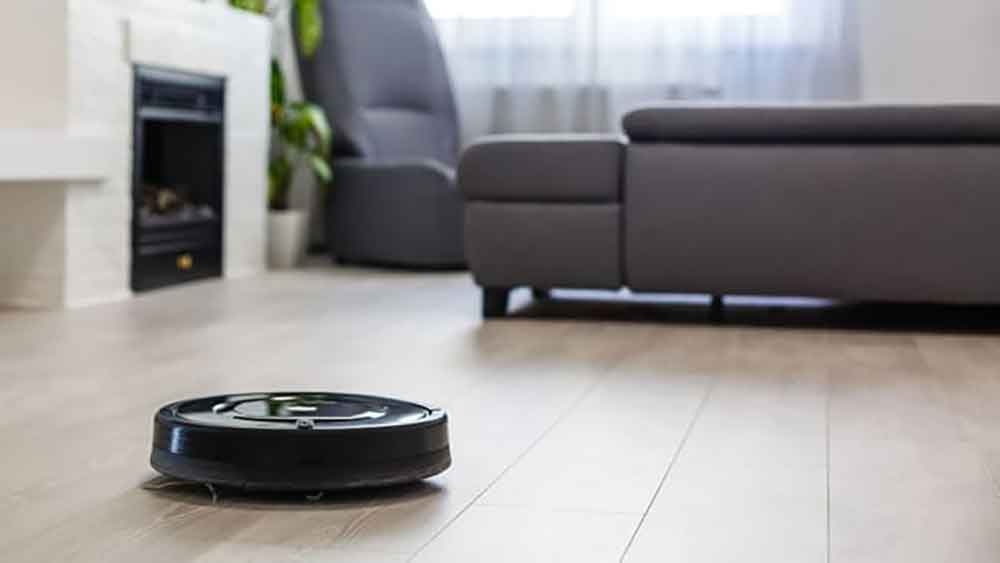
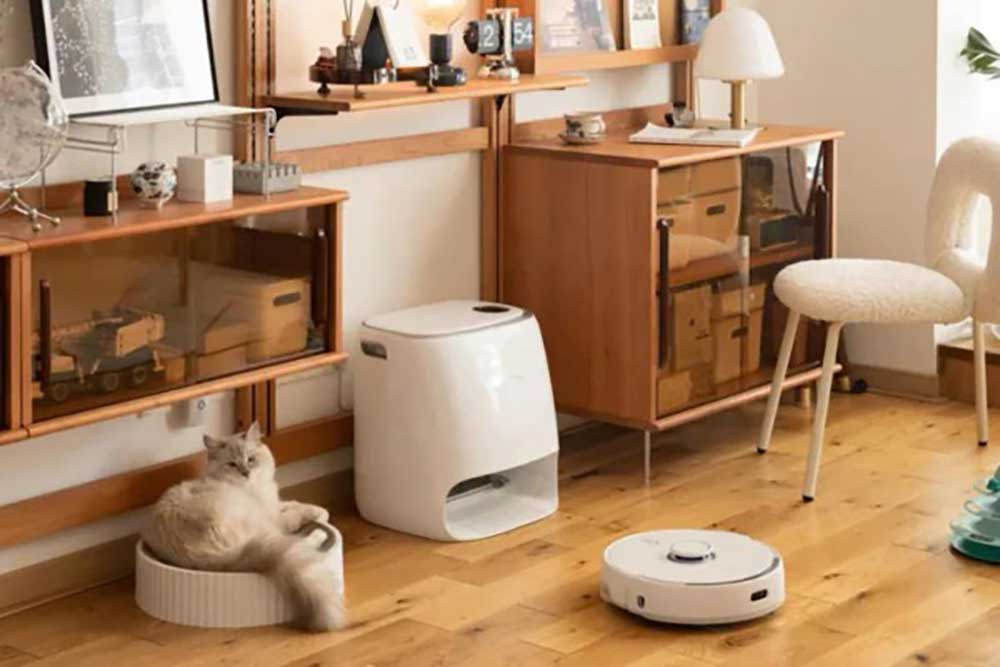
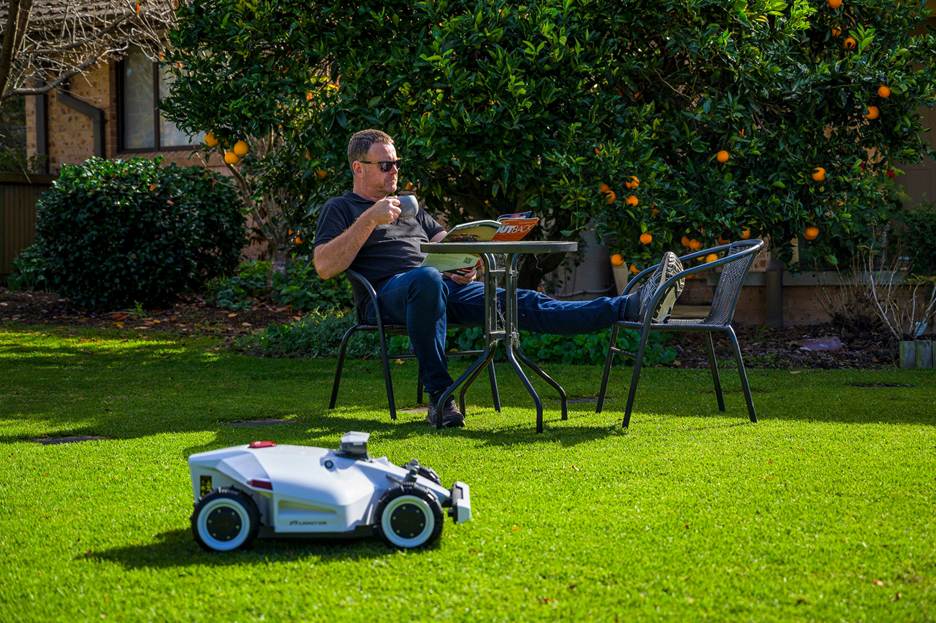
Robotic vacuums, mops, lawn mowers, and pool cleaners have crossed an important line. They’re no longer blind machines following fixed routes. New generations use vision, mapping, and decision-making models to adapt to pets, furniture, people, weather, and time of day.
Companies like Dreame Technology describe this as “embodied intelligence”, robots that don’t just execute commands, but understand context. When to clean. Where to avoid. How to coordinate with other devices.
This category is moving fast because the benefit is obvious.
It saves time. It works quietly. And it fits easily into apartment living.
AI that moves and acts in human spaces
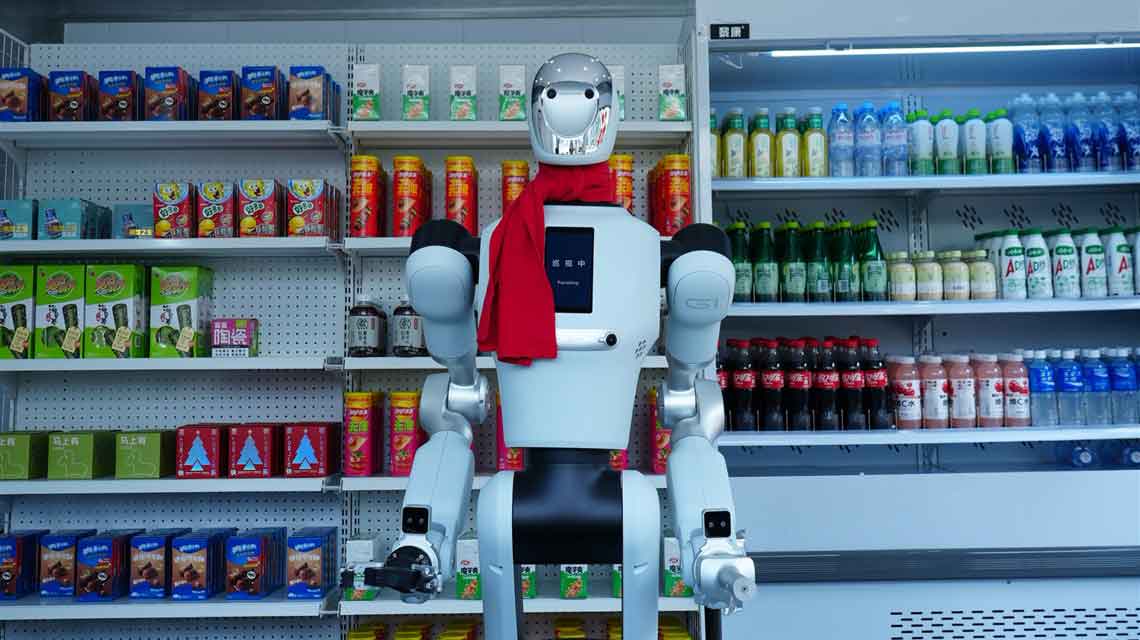
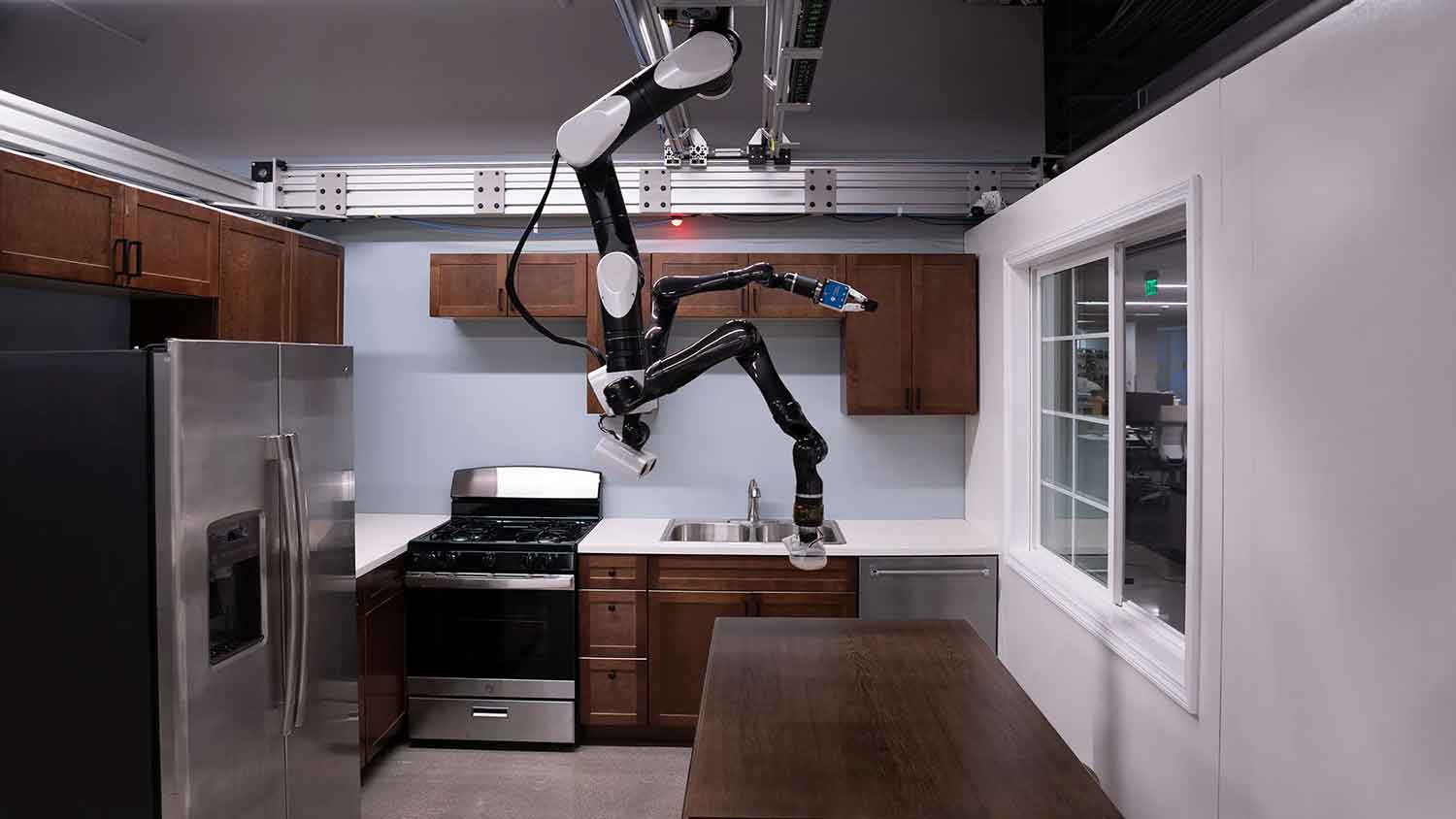
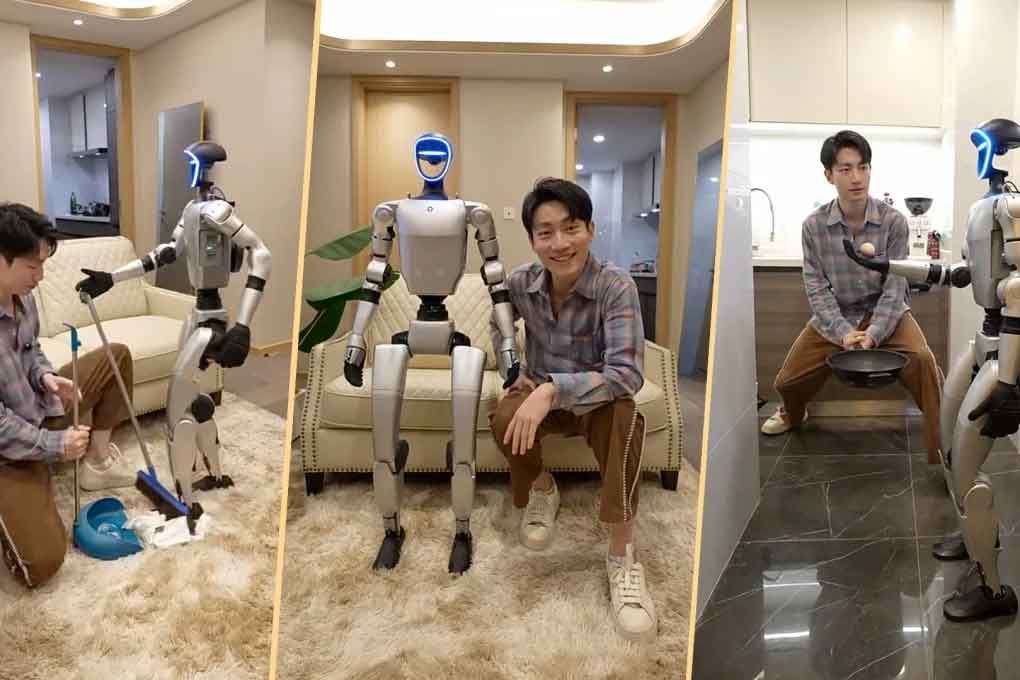
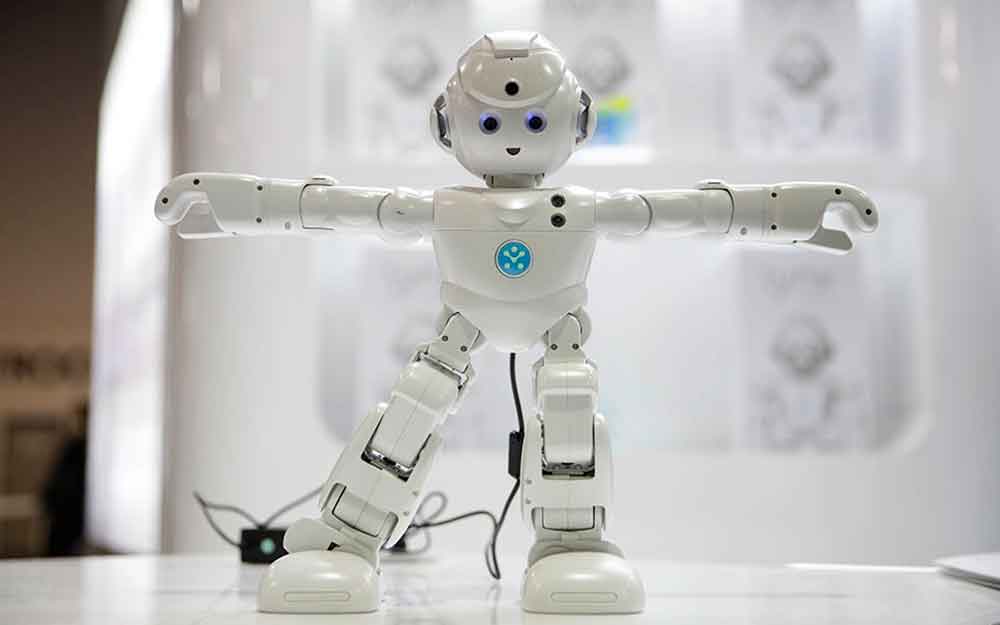
Humanoid and semi-humanoid robots are no longer confined to labs or viral videos. The current generation is built to exist around people, navigating rooms, keeping balance, and interacting safely in spaces designed for humans.
Companies such as Unitree Robotics and AgiBot are focusing less on stunts and more on reliability and usefulness. These robots guide visitors, carry items, present information, and assist with simple physical tasks.
They aren’t meant to replace people at home.
They’re early attempts at machines that can share space comfortably.
AI that quietly coordinates the home
The most powerful AI in the home may not look like a robot at all.
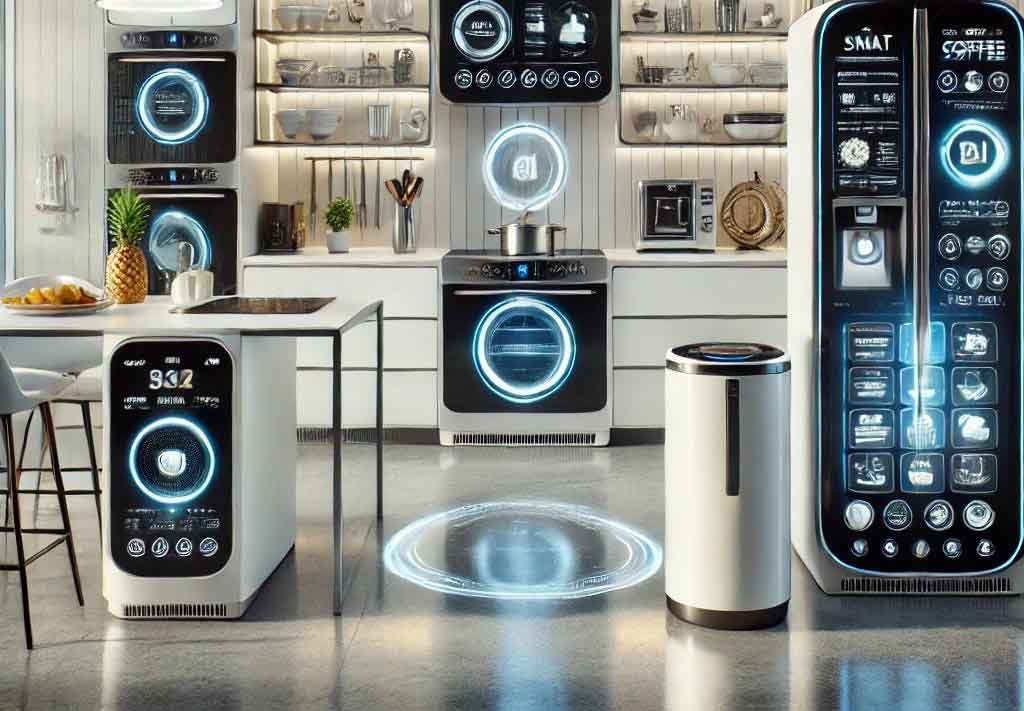
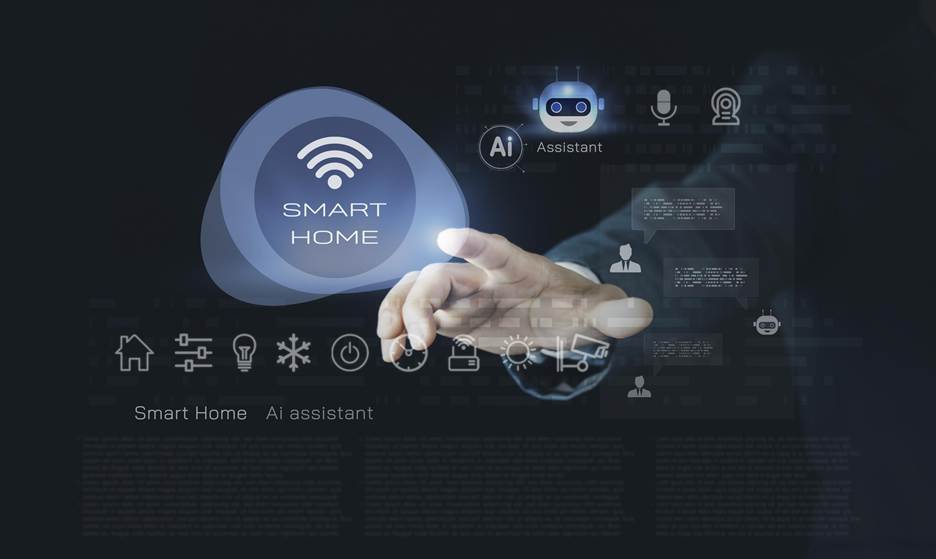
A growing layer of intelligence now spans TVs, speakers, air conditioners, lighting, kitchen appliances, and security systems. Instead of waiting for commands, these systems learn routines and adjust automatically, temperature, lighting, content, and energy use, often without any obvious “AI moment.”
Brands like TCL and Hisense Group are embedding intelligence directly into appliances and displays, turning homes into coordinated systems rather than collections of smart devices.
This is AI as infrastructure: invisible, continuous, and increasingly expected.
What this means for the future of living in China
For many this shift feels less disruptive than practical.
China is one of the first markets where these products become genuinely accessible. They’re sold on mainstream platforms, priced for consumers, and designed for apartments rather than showcase homes.
That means expats can often buy, test, and live with home AI long before it becomes common elsewhere.
Think less about “smart homes” and more about everyday improvements. A robot that actually cleans properly. A living room that adjusts lighting and temperature without constant tweaking. Wearable displays that reduce phone use instead of increasing it.
This isn’t technology for showing off. It’s technology intended to reduce everyday friction, assuming the software behaves and the hardware holds up. Early versions won’t always get it right.
Living in China in 2026 means being close to where home AI grows up first. Not watching the future arrive, but opening the box and plugging it in.
Related article: Robot-Run Store Powered by Embodied AI Opens in Shanghai