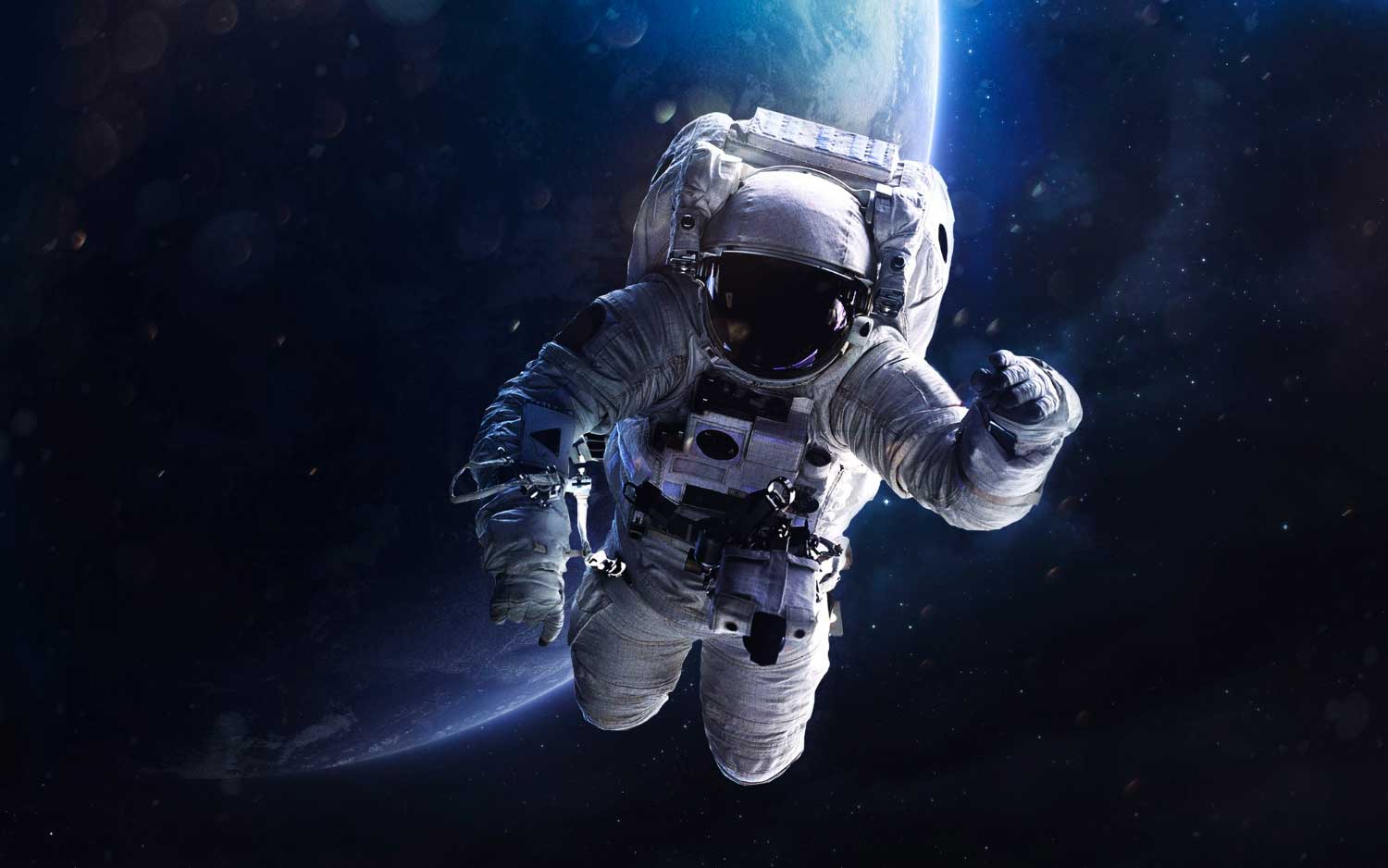

Deep beneath the dramatic karst formations of Chongqing’s Wulong District, Chinese astronauts recently traded the vastness of space for the tight confines of an underground world. For six days and five nights, they navigated darkness, isolation, and physical extremes, conditions designed to mirror the challenges of deep‑space exploration.
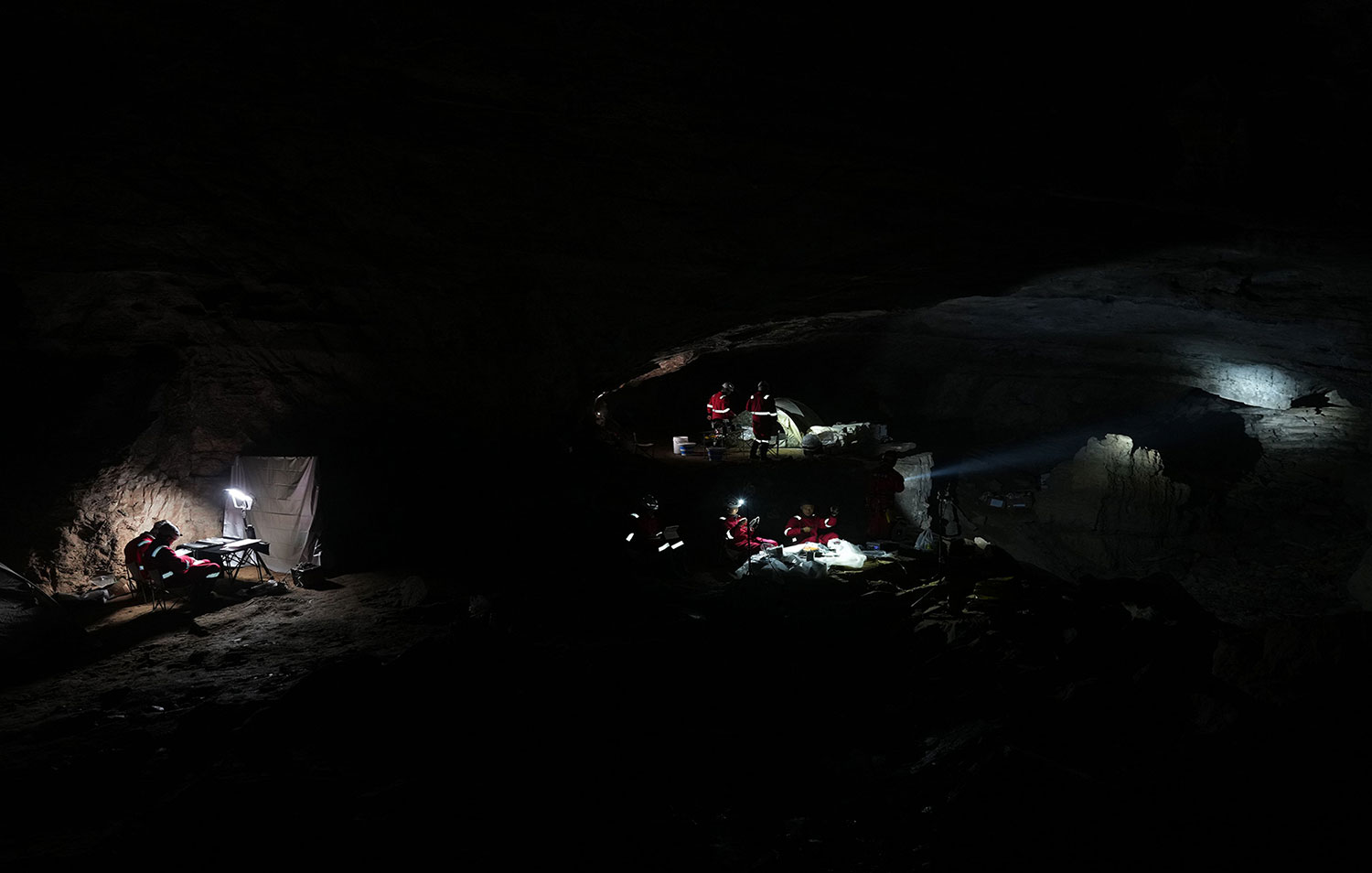
December 2025: Astronauts conduct training inside the cave; shown here is the main camp area.
The program, organized by the China Astronaut Research and Training Center, brought together 28 astronauts in four rotating groups. Each team followed the same demanding schedule, designed to recreate the psychological and environmental pressures astronauts may face far from Earth, confinement, uncertainty, and the need for constant self‑reliance.
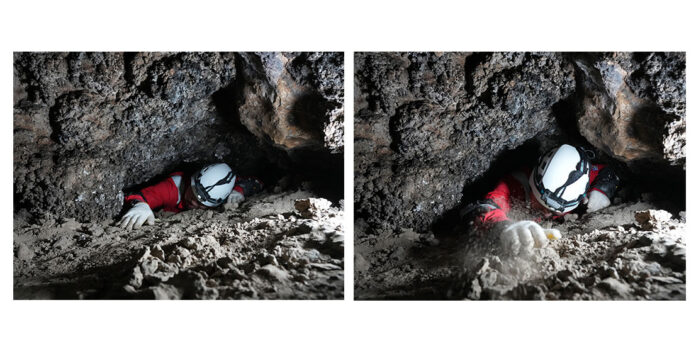
Caves, sealed off from the outside world and devoid of natural light, offer an ideal analogue for space. According to Wu Bin, Deputy Chief Designer of the Astronaut System of China’s Manned Space Program, the underground setting allowed trainers to design mission‑like tasks: exploration, scientific sampling, material management, and life‑support operations. Astronauts squeezed through narrow passages, climbed and rappelled down cliffs, and endured long stretches of cold, damp conditions.
But the psychological demands were just as intense. Darkness, sensory deprivation, and the ever‑present sense of risk pushed astronauts to their mental limits. “This training aimed to enhance astronauts’ abilities in hazard response, independent work, teamwork, emergency decision‑making, scientific investigation, physical endurance, and psychological resilience,” Wu said.
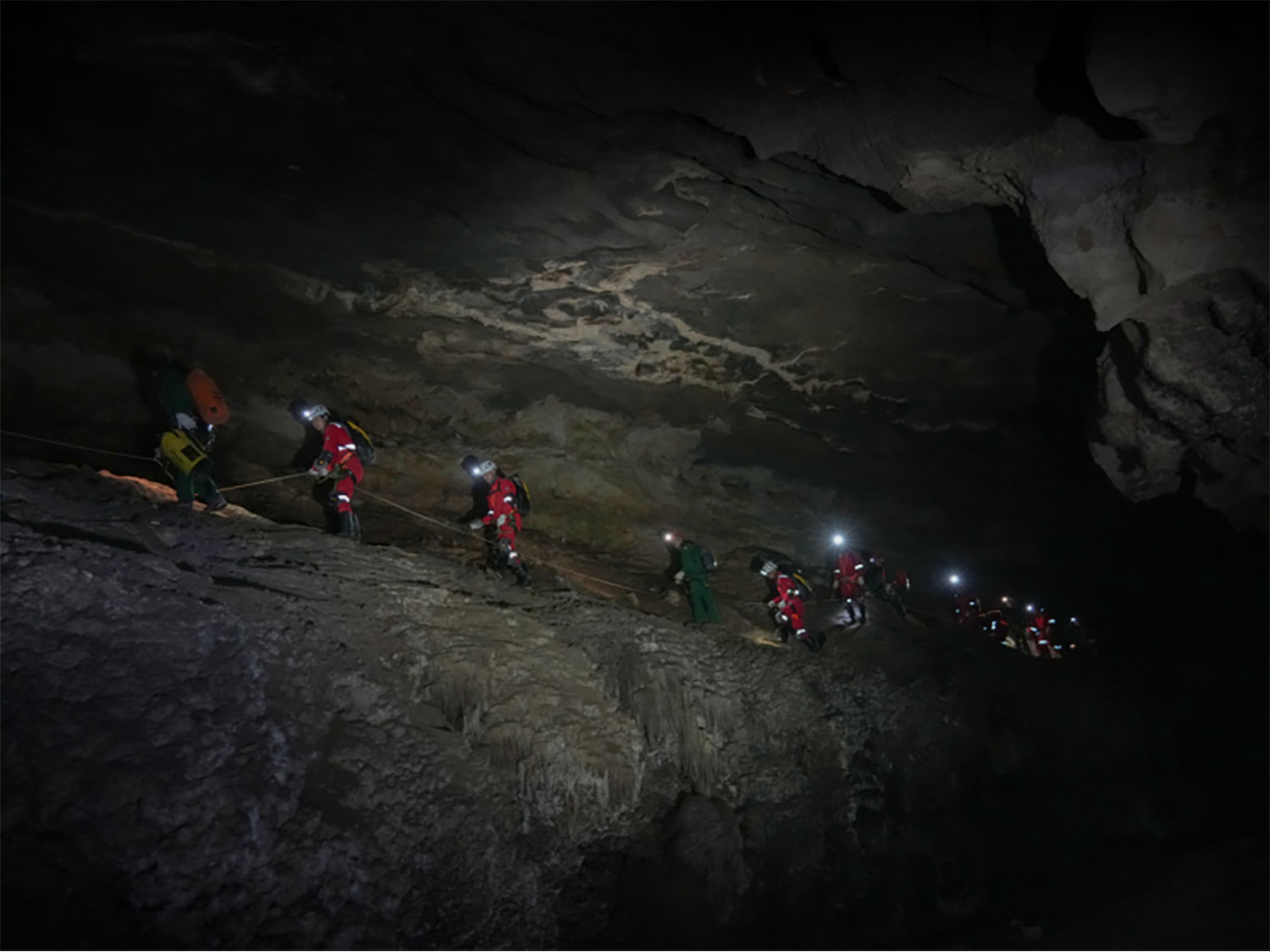
December 2025: An astronaut traverses a cliff section during cave training.
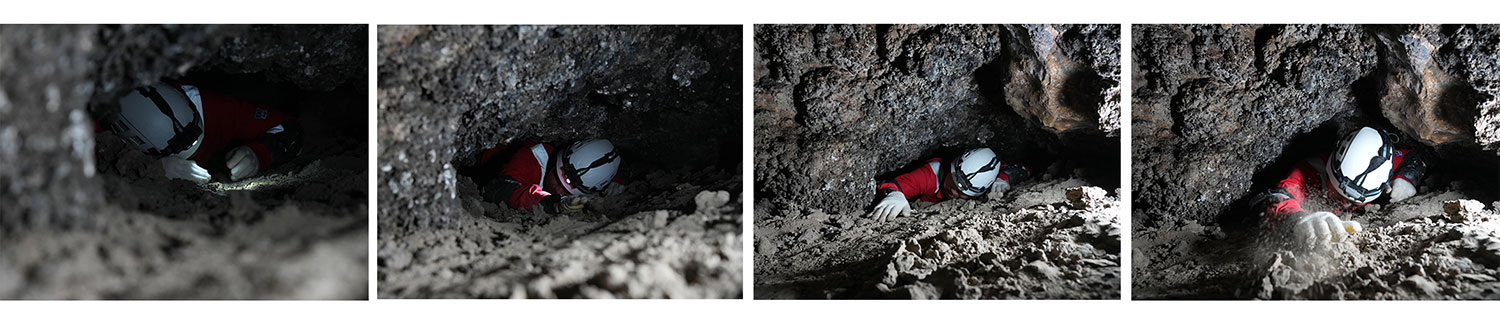
December 2025: An astronaut squeezes through a narrow passage during cave training.
To support future space station stays and crewed lunar missions, the program introduced more than ten specialized subjects, from environmental monitoring to simulated ground‑space communication. Seven scientific studies also examined how humans interact with extreme environments, generating valuable data.
Astronauts alternated between cave and jungle training in staggered phases, allowing the entire program to be completed within a month. Safety was ensured through cooperation with local authorities and search‑and‑rescue teams, along with detailed emergency planning and instructor pre‑training inside the cave.
Ye Guangfu, an astronaut who previously participated in European cave training and served as a commander for this program, noted that China’s approach placed greater emphasis on autonomy. Reduced in‑cave support and strengthened psychological monitoring offered important lessons for future missions.
Psychological resilience remained central throughout. Instructor Jiang Yuan described caves as classic extreme environments, isolated, unpredictable, and socially restrictive. Continuous assessments and group support techniques helped astronauts adapt, while researchers collected extensive data that will inform psychological support systems for long‑duration missions.
For many participants, the experience was transformative. Zhu Yangzhu, a member of the first training group, said the cave’s enclosed space and complex terrain mirrored the isolation and unknowns of deep‑space exploration. “It tested our limits and deepened our understanding of coordination and cooperation,” he reflected.
Alongside the cave program, each group completed two days of jungle survival training, building confidence in harsh outdoor environments and reinforcing teamwork.
As China’s manned space program expands, the training center continues to refine its methods, introducing new technologies such as mixed‑reality EVA training, visuomotor‑conflict treadmills, visual stroboscopic systems, and deep‑space psychological endurance training. Experienced astronauts now play a growing mentoring role, bringing real spaceflight experience into both classroom teaching and hands‑on instruction.
Related article: International Astronaut Centre Announced for Hainan, Opening in 2026