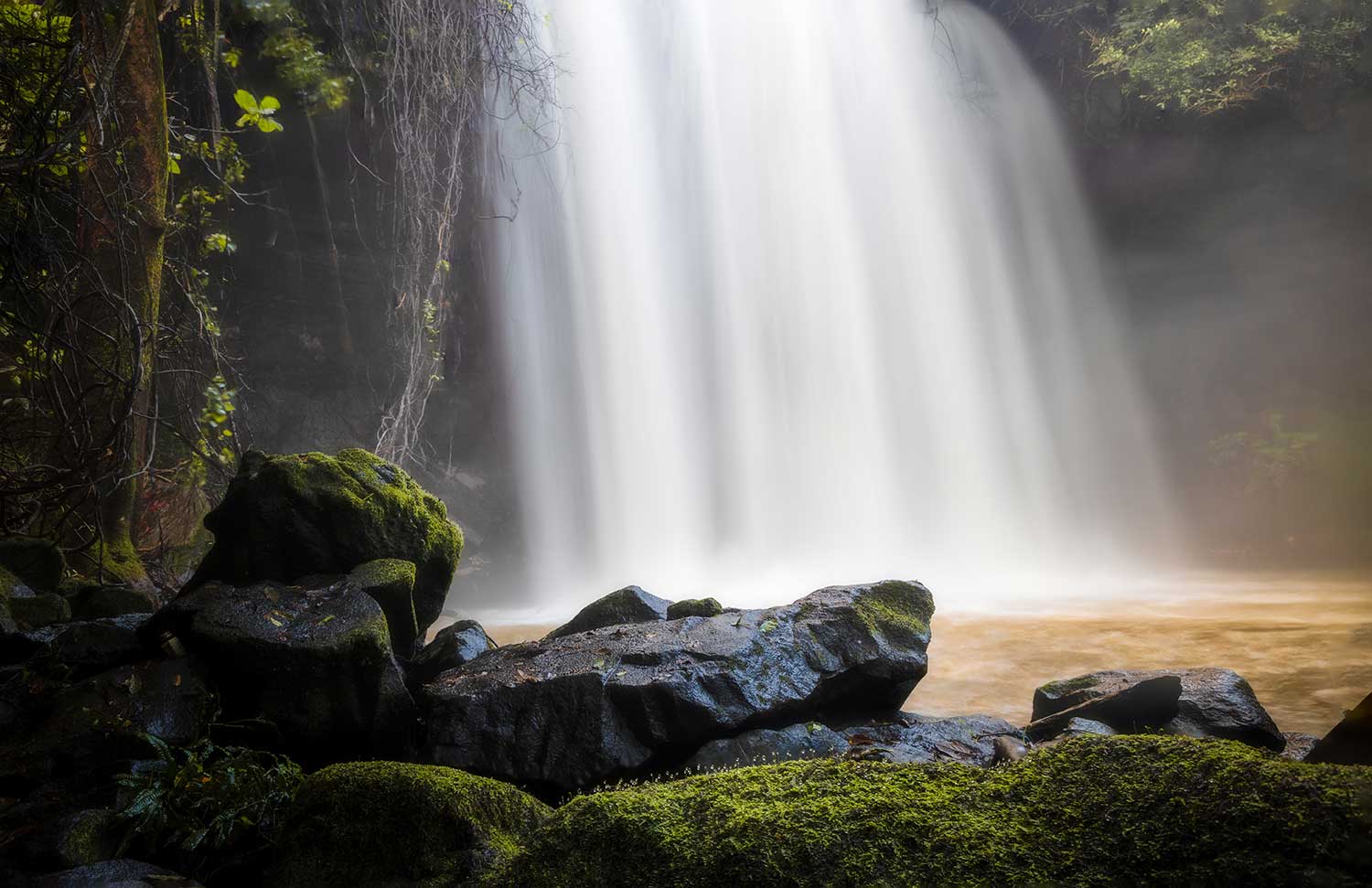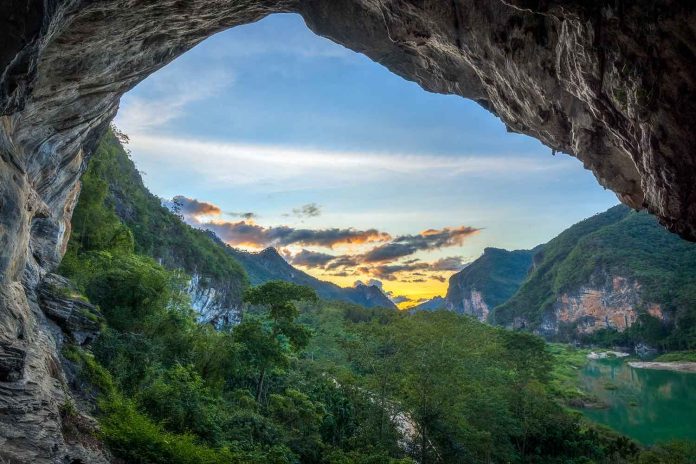
Situated in the beautiful surroundings of Changjiang Li Autonomous County in Hainan, Huangdi Cave (which means Emperor Cave), showcases the island’s rich natural and cultural heritage. This cave, with its intricate formations and historical significance, offers an interesting experience for adventurers and history enthusiasts alike.

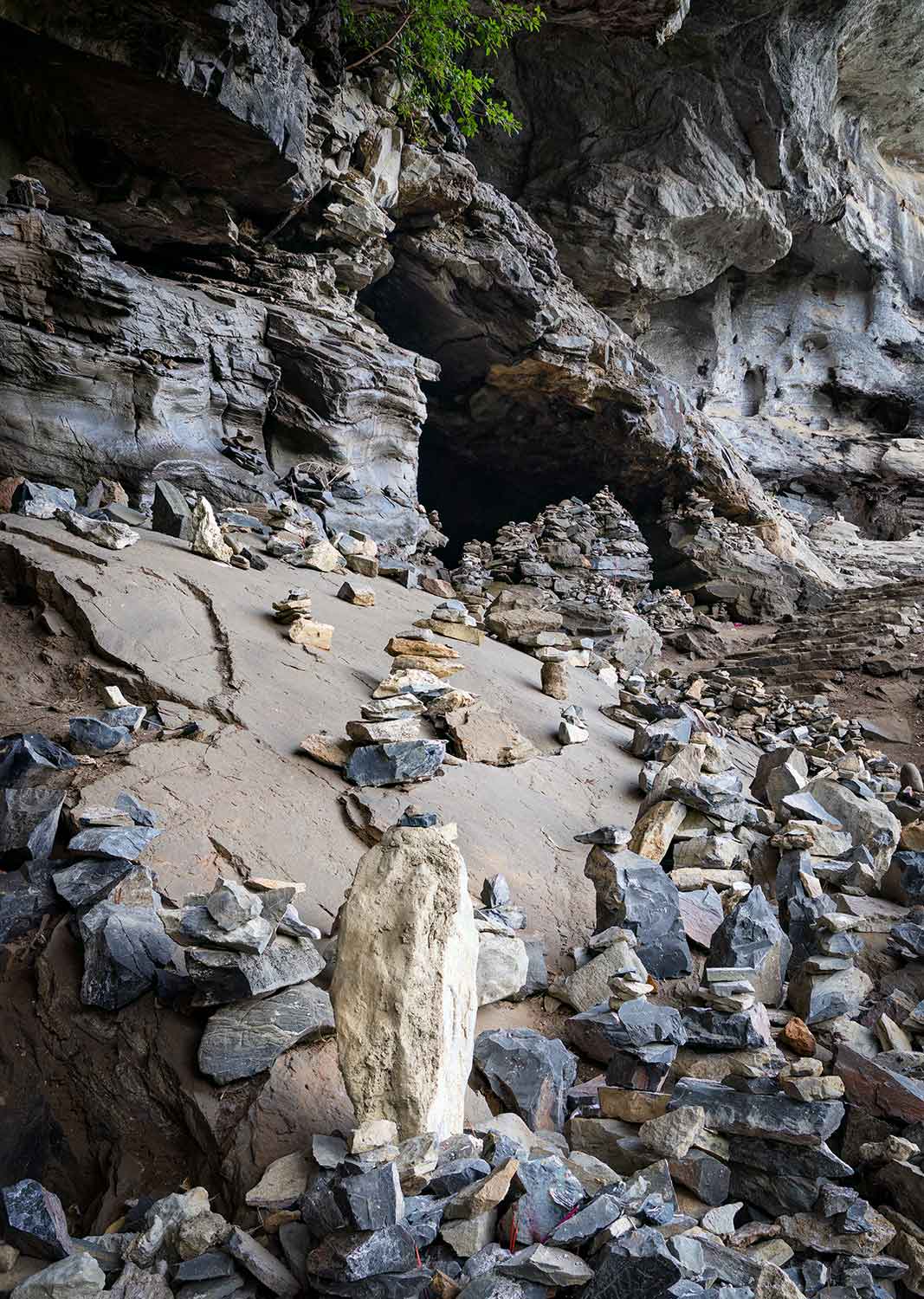
Active from the Neolithic Age to the Bronze Age, Emperor Cave is located at the convergence of the Nanjiao and the Hongshui Rivers. It measures about 60 meters wide, 130 meters deep, and 25 meters high. This large limestone cave is warm in winter and cool in summer and is famous for its formations of stalactites and stalagmites.
Location
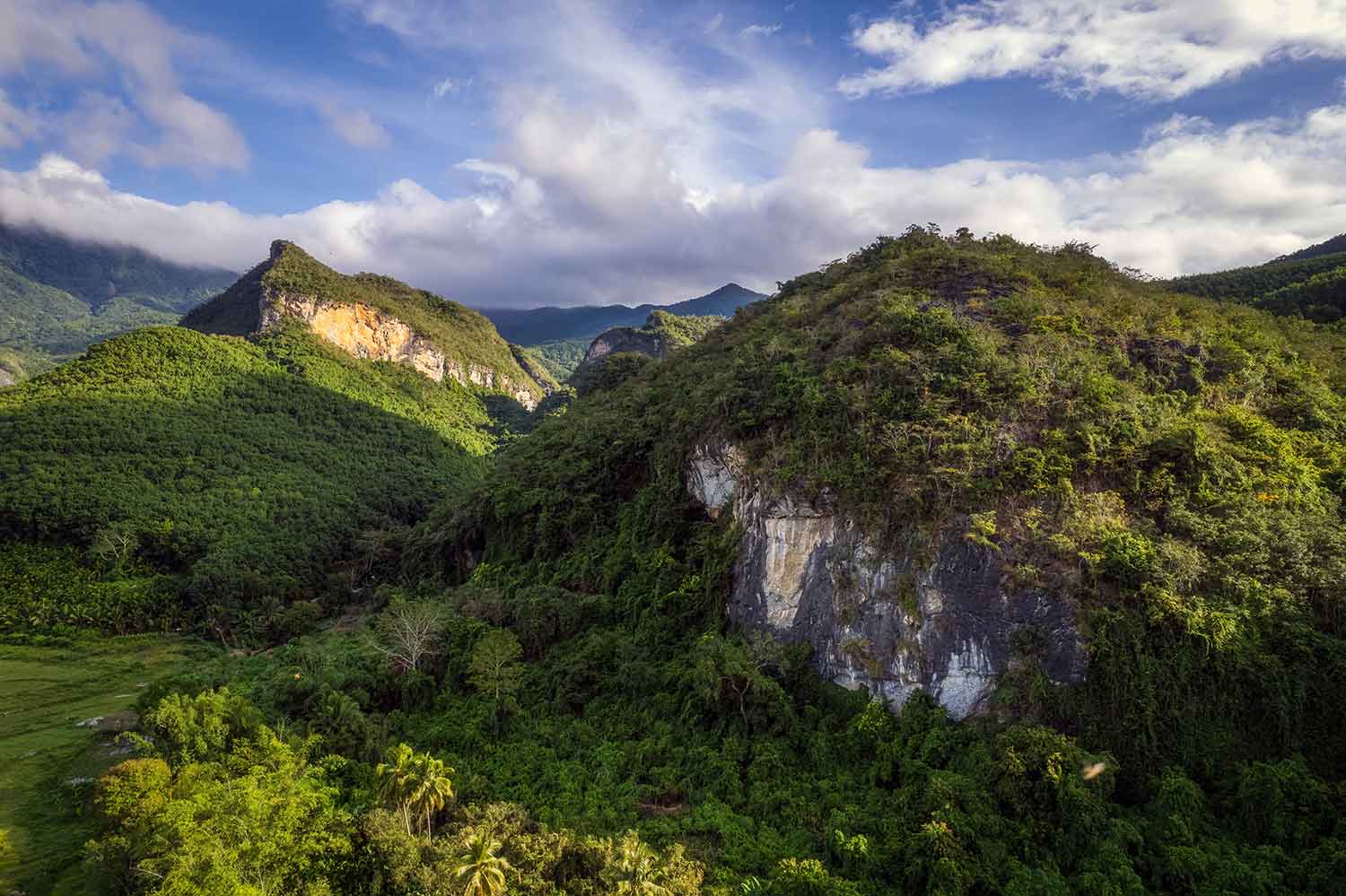
Emperor Cave is located close to Wangxia Township in the central area of the Bawang Mountain National Nature Reserve in Changjiang Li Autonomous County. Changjiang is known for its lush landscapes, diverse ecosystems, and vibrant Li culture. The county’s natural beauty makes it an ideal destination for those looking to explore Hainan beyond its popular coastal resorts.
Features
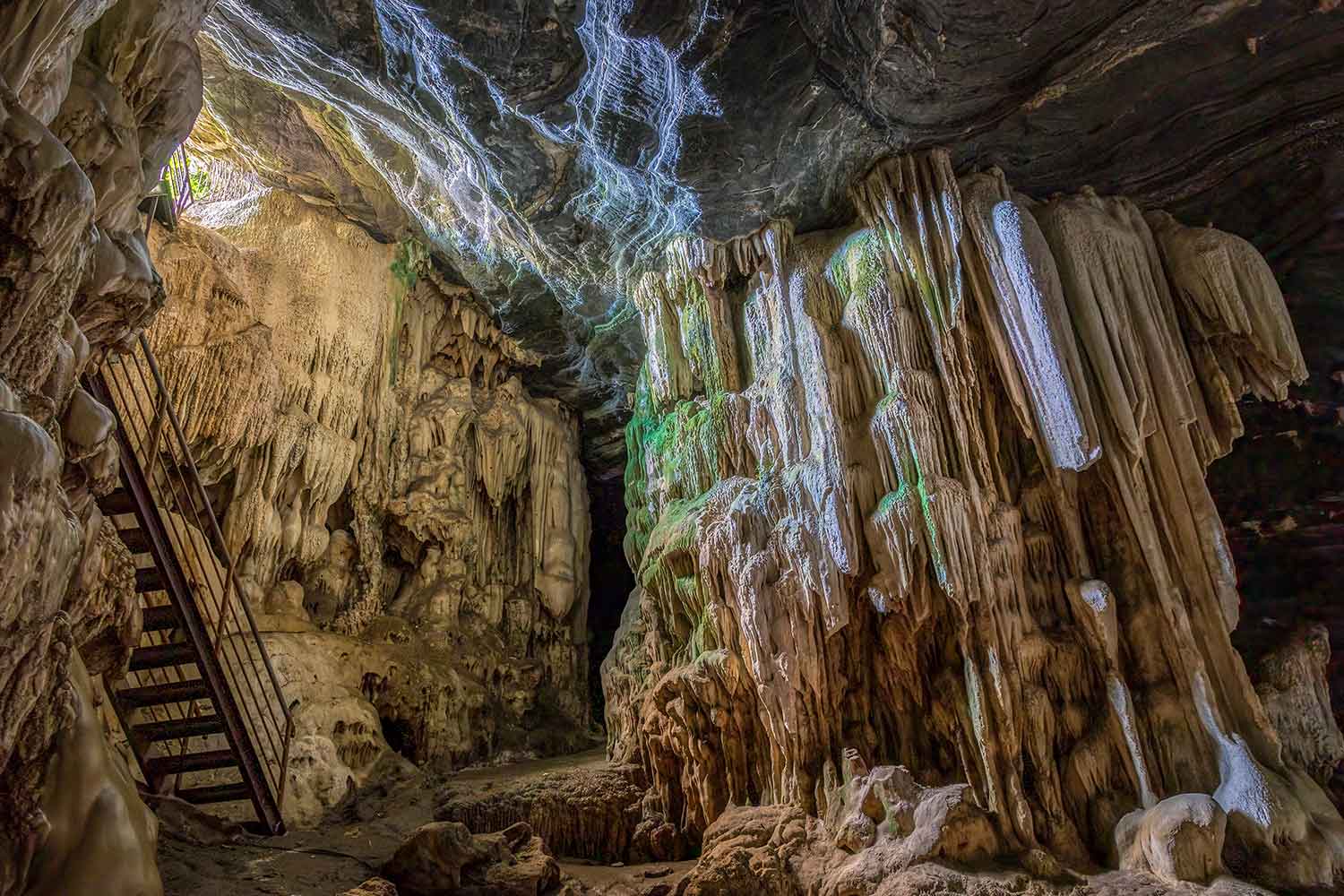
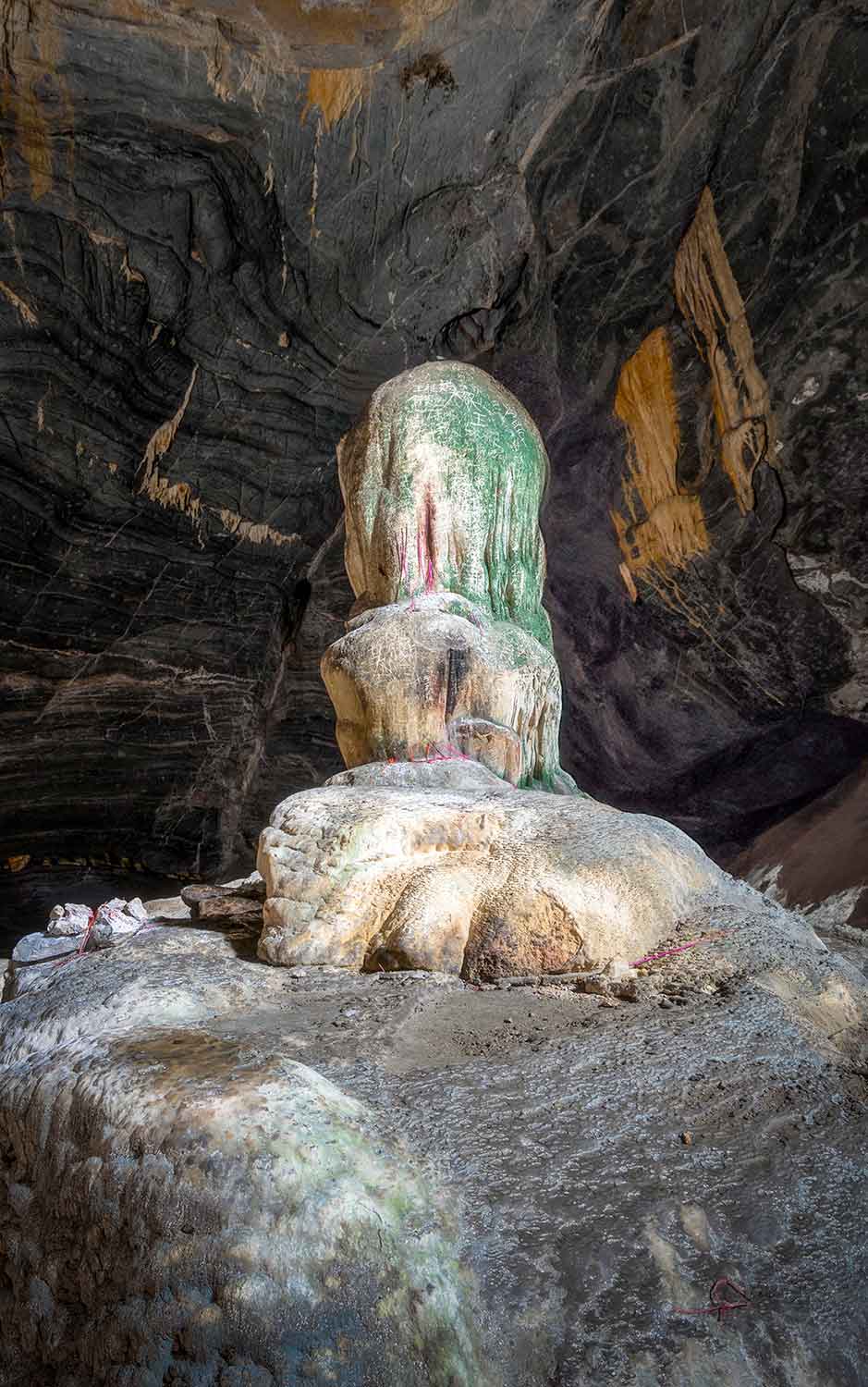
Upon entering Emperor Cave, visitors are greeted by a wonderful display of stalactites and stalagmites, formed over millennia by the slow dripping of mineral-rich water. These natural sculptures, with their varied shapes and sizes, create an otherworldly atmosphere within the cave. The play of light and shadow on these formations makes it a favourite subject for photographers.
History and Archaeological Significance
Emperor Cave is steeped in local legend and history. It is said that ancient emperors may have visited or taken refuge in the cave, which is how it earned its regal name.
Archaeologists have found evidence of early human habitation in and around the cave, including stone tools and pottery fragments. These findings suggest that the cave was used by ancient peoples as a shelter and possibly a place of worship.
Folklore and Legends
The legends surrounding Emperor Cave often involve stories of emperors or royal figures using the cave as a retreat or hiding place during times of political turmoil or conflict. Such stories are common in many regions with significant natural landmarks, as they serve to enhance the cultural and historical value of these sites.
Possible Historical Context
While no specific emperor is definitively linked to Emperor Cave, it’s worth noting that Hainan has been a place of exile and refuge throughout Chinese history. For example:
Song Dynasty (960-1279): Hainan was used as a place of exile for disgraced officials and royals.
Tang Dynasty (618-907): The island was sometimes a destination for political dissidents and exiles.
Given Hainan’s historical role as a remote and less accessible part of China, it’s plausible that stories of emperors or high-ranking officials seeking refuge in the cave could stem from actual events involving exiled figures.
Surroundings
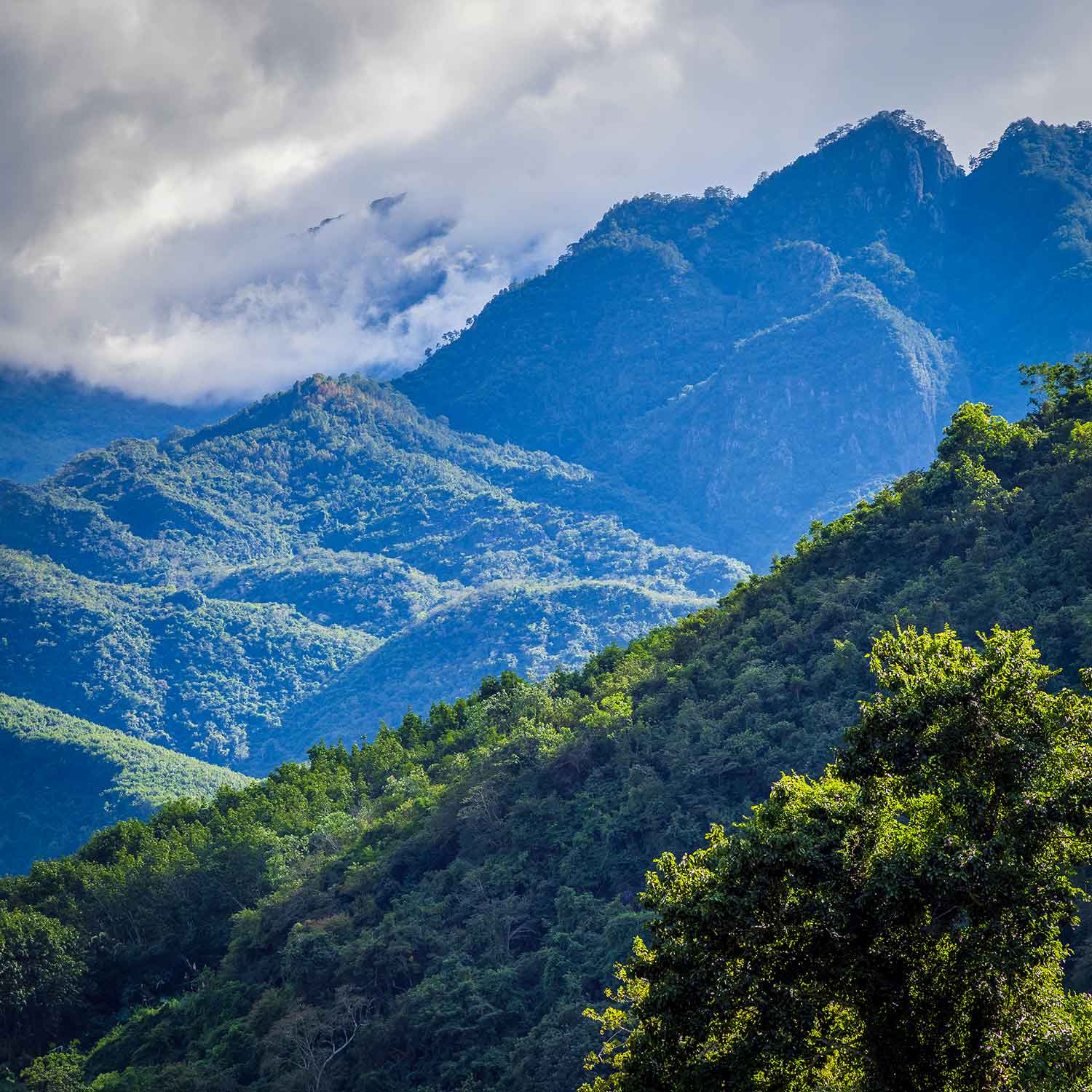
The Changjiang area surrounding Emperor Cave is a treasure trove of natural beauty and cultural landmarks. Besides exploring the cave, visitors can enjoy the scenic coastal areas, tropical rainforests, and the Changhua River. The region is less commercialized than other parts of Hainan, offering a more authentic travel experience.
One notable nearby attraction is the Bawangling National Forest Park, home to the critically endangered Hainan gibbon. This park is a must-visit for nature lovers and those interested in wildlife conservation. Additionally, the local Li and Miao ethnic communities offer cultural experiences that include traditional music, dance, and crafts.
Accessibility
Emperor Cave is relatively accessible, with local tourism authorities having developed infrastructure to accommodate visitors. Pathways and lighting have been installed to enhance the experience while preserving the cave’s natural state. Guided tours are often available, providing valuable insights into the cave’s geological and historical significance.
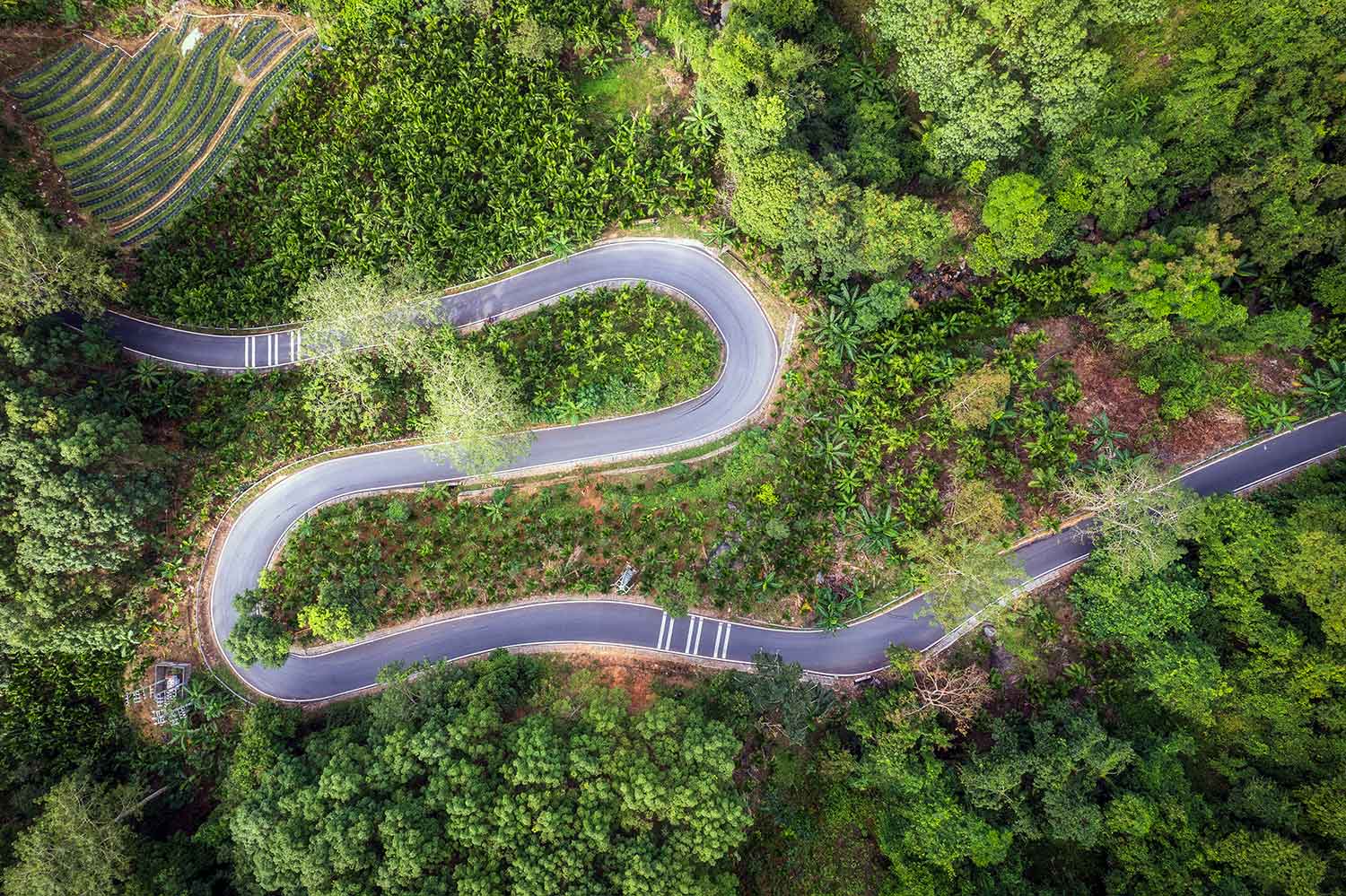
The last 40K to the cave is a scenic drive along what is possibly one of the twistiest roads in all of Hainan. There are mirrors placed at each of the bends and it’s highly advisable to slow down and use them.
Conservation Efforts
Given its natural and historical importance, conservation efforts are crucial to preserving Emperor Cave. Visitors are encouraged to respect the environment and follow guidelines to minimize their impact. Sustainable tourism practices help ensure that this natural wonder remains intact for future generations to appreciate.
Emperor Cave in Changjiang, is a fascinating destination that offers a blend of natural beauty, historical intrigue, and cultural richness. Whether you are an avid explorer, a history buff, or simply looking for a serene escape, a visit to Emperor Cave promises an interesting experience.
Location: copy and paste 皇帝洞王下乡牙迫村东面 into WeChat/Baidu maps.
Related article: Juren waterfall in Lingao