Notifications
Clear all
Travel — Visiting & Exploring Hainan
1
Posts
1
Users
0
Reactions
428
Views

Topic starter
Hai Rui, one of the Ming Dynasty's most celebrated officials and a native of Hainan, died in Nanjing in 1587 with almost nothing to his name, just over 10 taels of silver, old clothes, and a broken box, a testament to the incorruptible integrity that made him a revered figure known as "Hai Qingtian." Emperor Zhu Yijun honoured him with a state burial and a three-day court suspension, and his coffin was escorted back to Hainan by fellow islander Xu Ziwei, coming to rest at Binya Village west of Fucheng in 1589 after a legendary snapping of ropes was taken as a divine sign marking the burial spot, with the tomb's completion date becoming a local holiday.

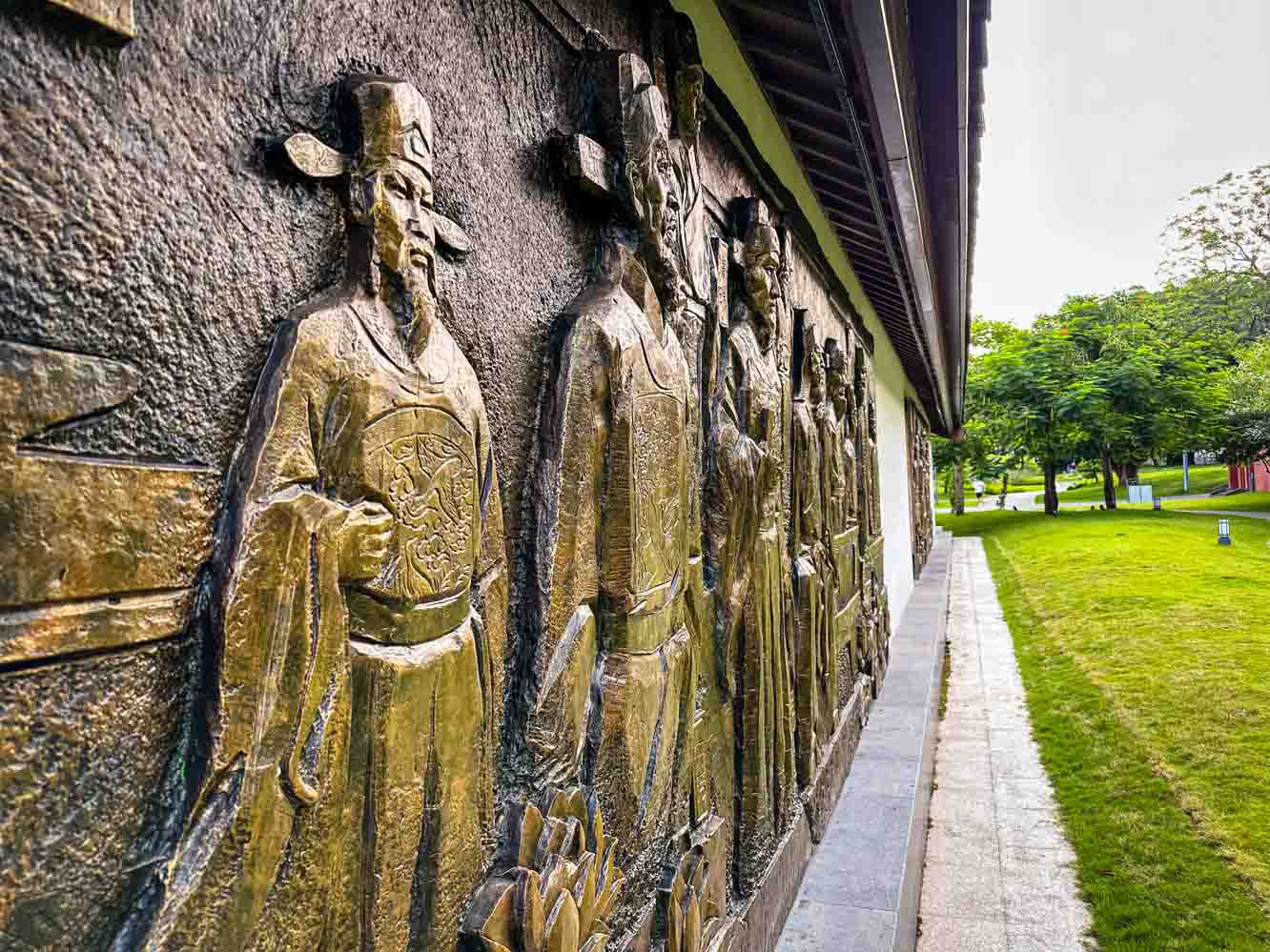
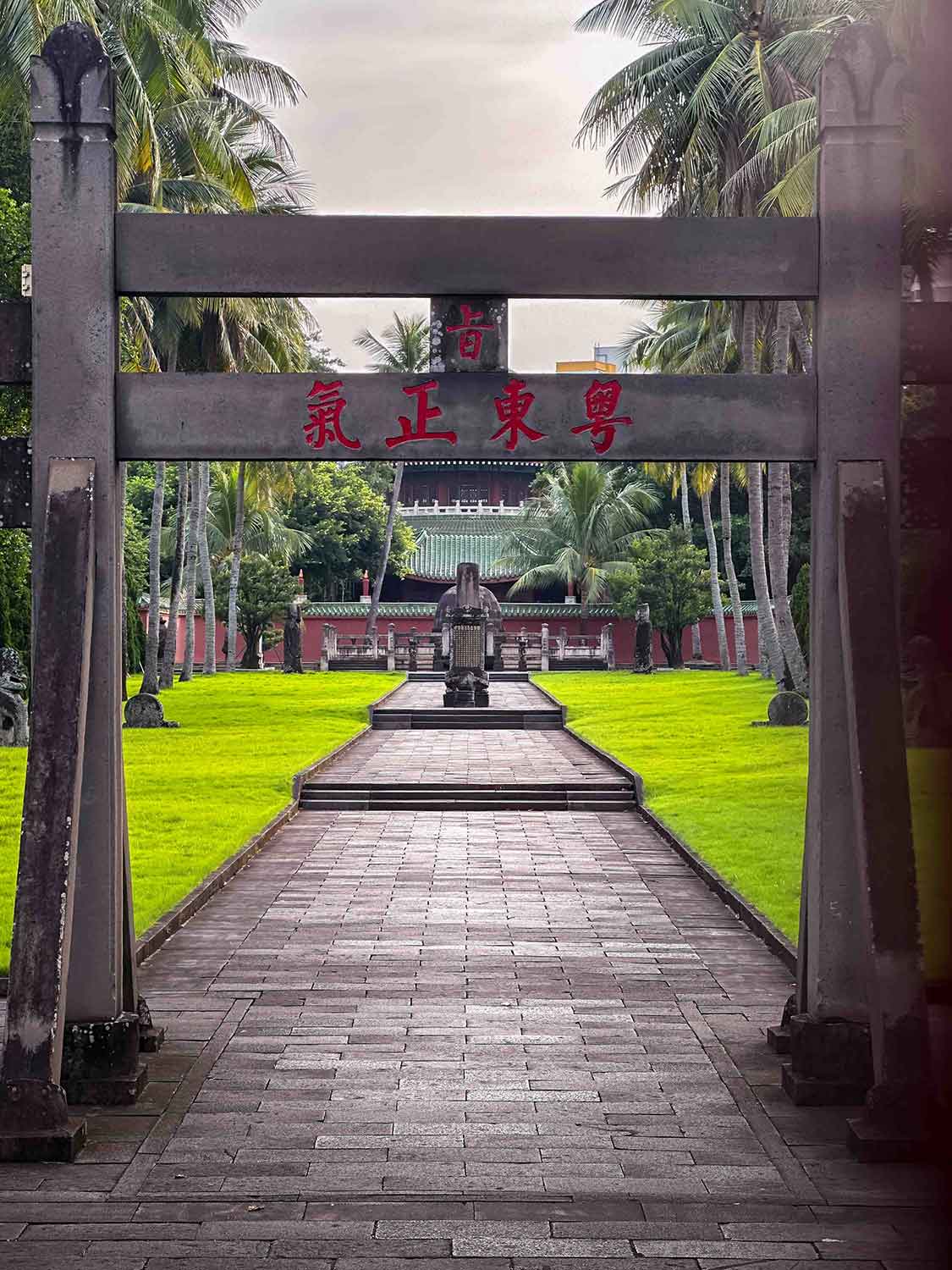
The southwest-facing tomb features stone columns, a "Spirit of Guangdong" archway, a stone tortoise bearing a stele, and a three-meter-high inscription honouring him as "Hai Gong, Posthumously Named Zhongjie," and has undergone multiple restorations, in 1927, 1959, 1979, and 1982, after suffering damage during the early liberation period and near-destruction in the 1960s, before expanding to 10,000 square meters by 1996 to become the Hai Rui Cultural Park, today serving as both a tourist attraction and a national anti-corruption education centre.

Posted : 04/09/2024 8:56 pm


Register Your Business

Follow Us on WeChat

Jobs in Hainan