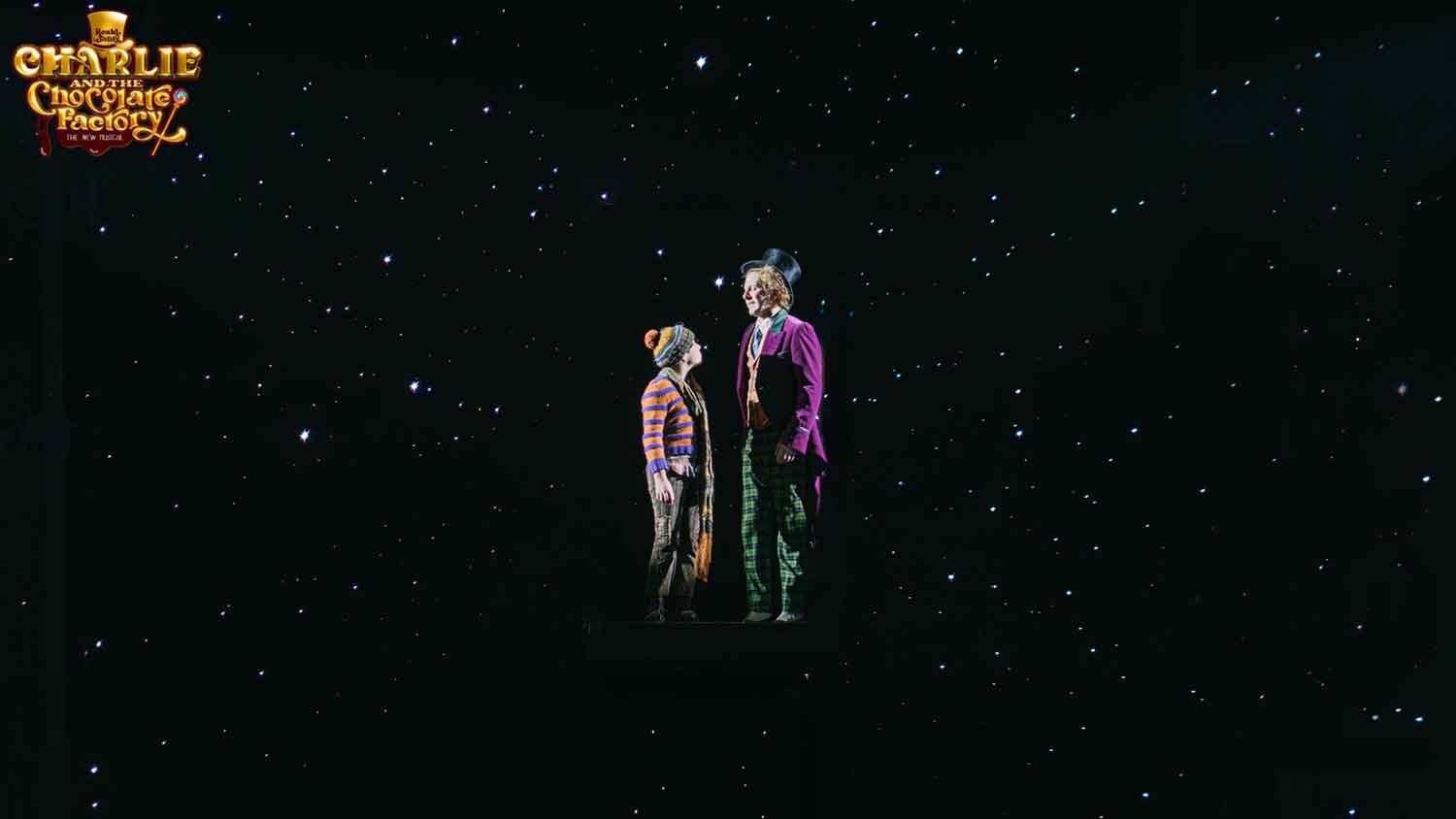

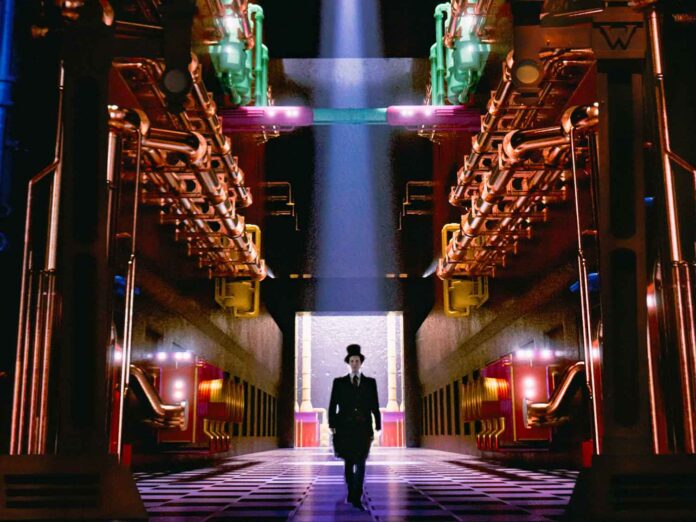
When Charlie and the Chocolate Factory opened at the Theatre Royal Drury Lane in London’s West End in June 2013, it was directed by Sam Mendes, the Oscar-winning filmmaker behind American Beauty and the James Bond films Skyfall and Spectre. That is not a typical starting point for a family musical.
The production ran for approximately 1,500 performances over nearly four years. At the 2014 Olivier Awards, it won Best Costume Design and Best Lighting Design, and received nominations including Best New Musical.
In 2017, a reworked production directed by three-time Tony Award winner Jack O’Brien opened on Broadway at the Lunt-Fontanne Theatre in New York, where it ran for 305 performances. The current global tour, which has already played to more than 40,000 audiences across China, is directed by Matt Lenz, a director who has staged this specific production across the United States, Australia, and now Asia.
Three different directors across three different productions, each building on what came before. The version arriving in Haikou this Friday carries the accumulated creative ambition of all of them.
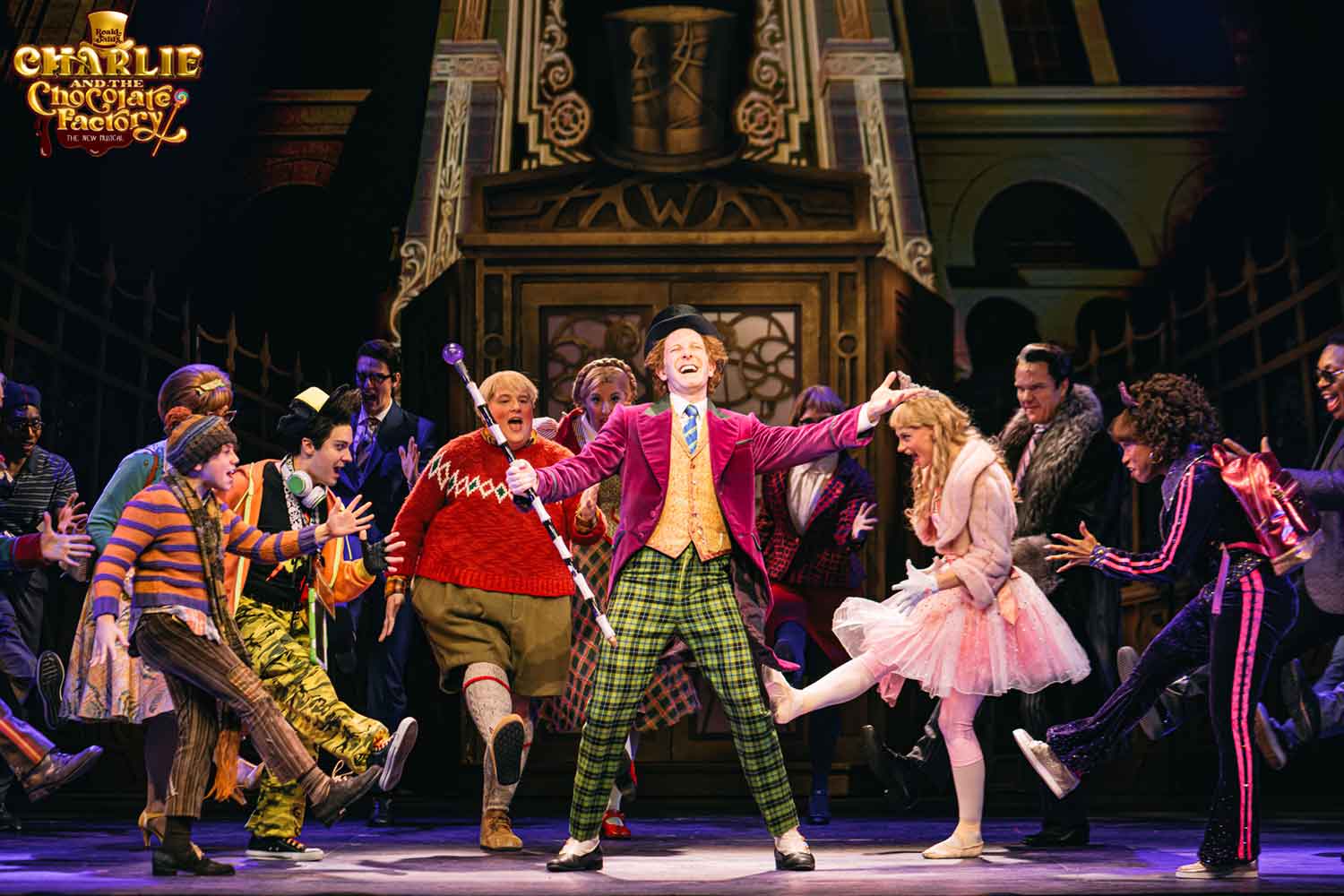
The designers who built the factory
How, exactly, do you build a chocolate factory on a stage?
The challenge with Charlie and the Chocolate Factory was specific: Roald Dahl’s factory is not a single location. It is a series of increasingly fantastical environments, each more impossible than the last, each needing to appear and disappear.
The solution involves more than fifty scene changes, driven by a precisely engineered stage machinery system. What the audience sees, the cramped Bucket family home giving way to the golden factory gates, the factory gates opening into the vast candy room, happens through a combination of physical set construction, automated staging, and the work of the video and projection designer, whose previous credits include the global Tina Turner Musical tour and a Tony Award nomination for his Broadway work.
The projection design is worth pausing on.
The candy room fills the stage with colour and depth that could not be achieved through physical construction alone. The lighting designer, whose work spans the Royal Shakespeare Company and major opera houses across Europe, integrates with the projection system to create environments that feel genuinely immersive rather than staged.
The result, a chocolate factory that exists convincingly on a theatre stage.
The full candy room reveal, giant candy canes, floating balloons, enormous mushrooms …
The illusions, the puppets, and the Oompa-Loompas
The illusions were designed by a Las Vegas-based professional who spent the last decade collaborating with David Copperfield, one of the most technically demanding working environments in stage magic, developing new illusions for his live show. His company engineers and fabricates stage illusions for productions in more than twenty countries. In Charlie and the Chocolate Factory, his work is integrated invisibly into the fabric of the show: things appear, disappear, and transform in ways that the audience registers as magical rather than mechanical. That seamlessness is the craft.
The puppetry is the work of a third-generation puppeteer whose career spans avant-garde theatre, opera, and film. He created the Dementors for Alfonso Cuarón’s Harry Potter and the Prisoner of Azkaban.
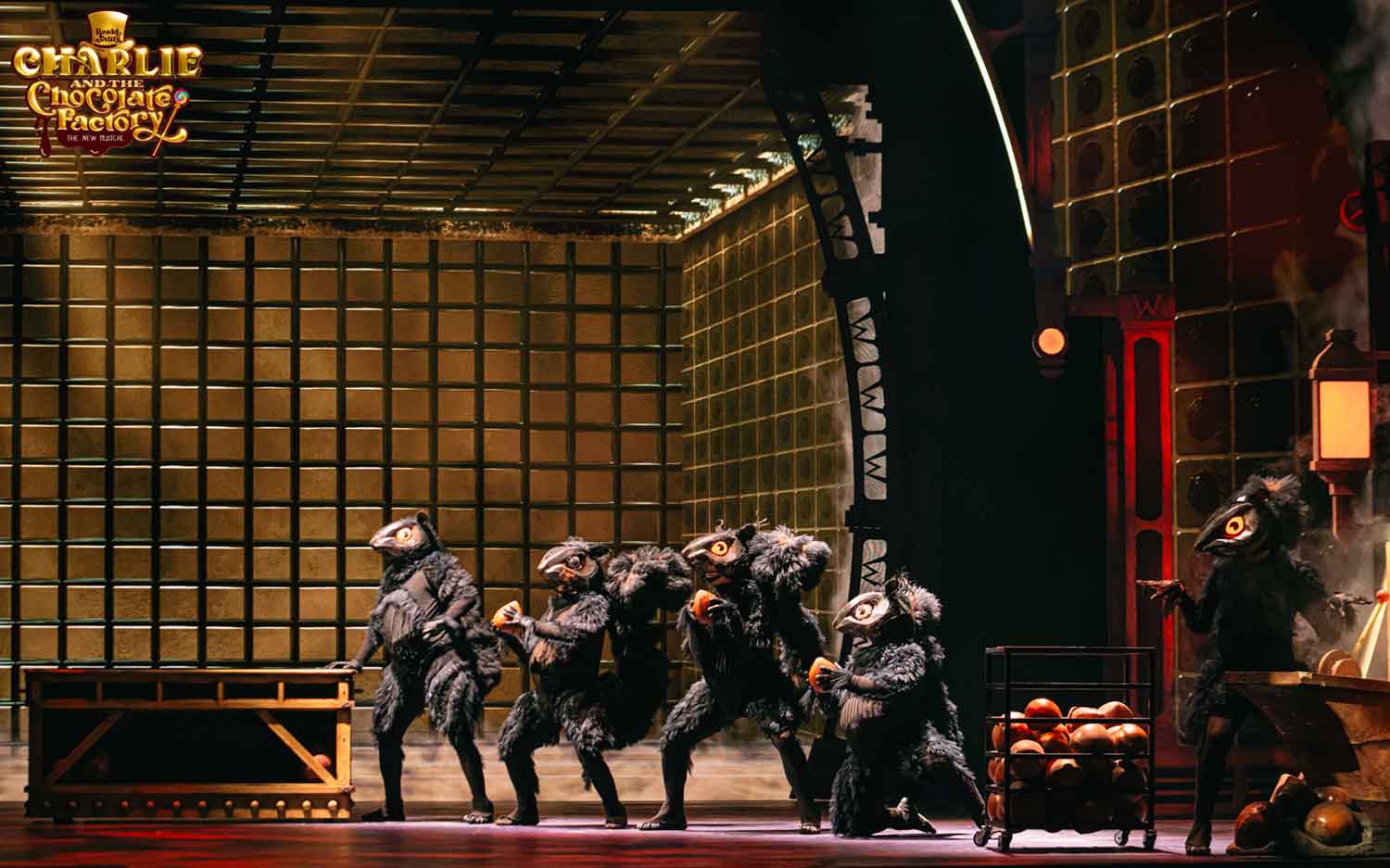
In Charlie and the Chocolate Factory, his most visible contribution is Veruca Salt’s squirrel room: the trained squirrels are performed by dancers in full creature costumes with articulated mask heads, creating something that sits precisely on the line between unsettling and spectacular.
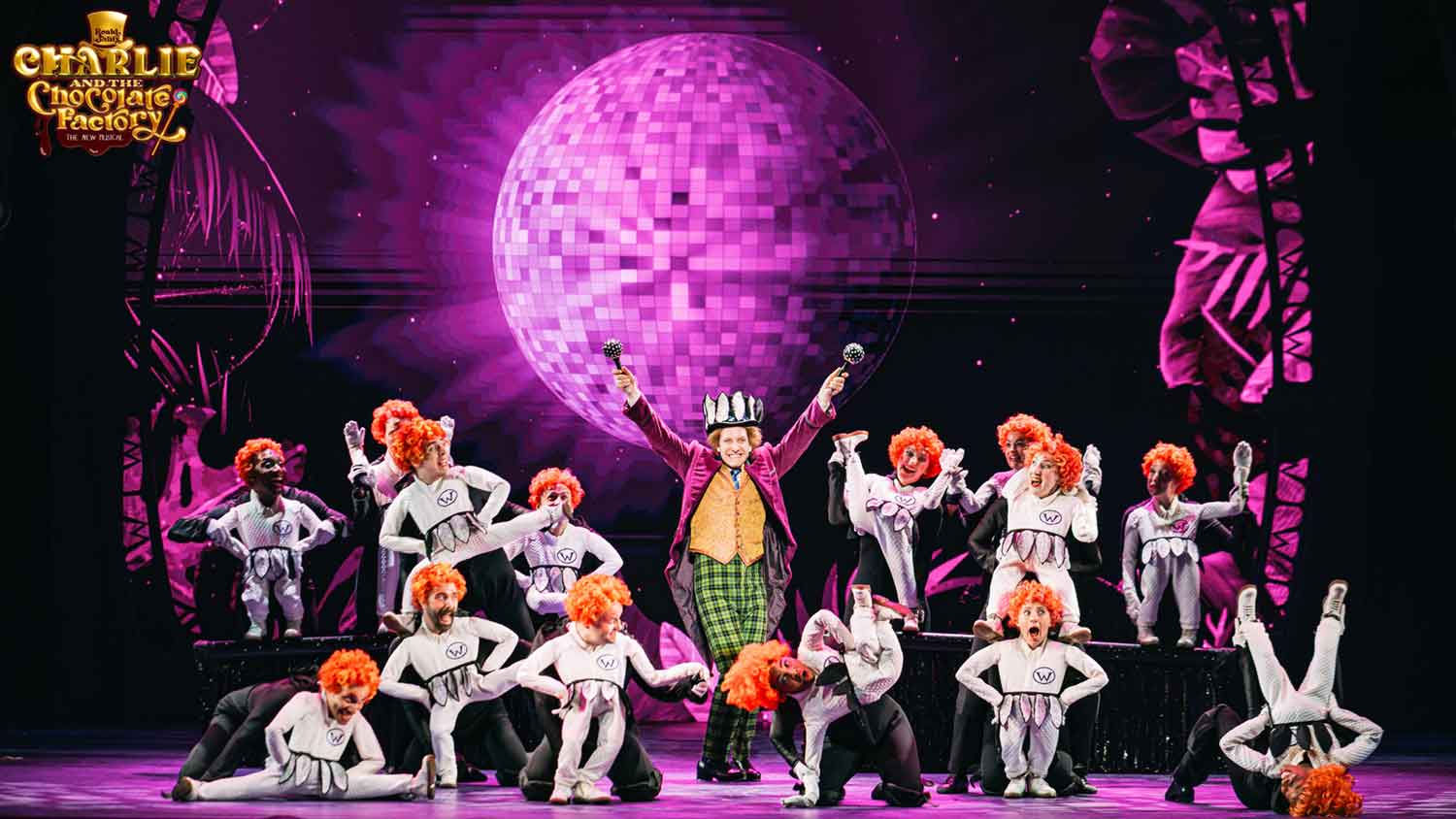
The Oompa-Loompas, Wonka’s factory workers, who appear throughout Act Two, are a full company of dancers performing original Broadway choreography created by an Emmy Award-winning choreographer. In white jumpsuits and orange wigs, performing against the disco ball sequence and the WonkaVision television room, they are one of the most purely theatrical elements of the entire production. The choreography was designed for the stage, not for film, and it shows.
Why any of this matters in Haikou
A touring show travels light. Sets are simplified, cast sizes reduced, production values adjusted for the economics of moving between cities. This production does not work that way. The set that filled the stage at the Lunt-Fontanne Theatre in New York is the set that fills the stage at the Hainan Provincial Song and Dance Theatre this Friday. The live orchestra that played on Broadway plays in Haikou. The illusions, the puppets, the projection system, the fifty-plus scene changes, all of it makes the journey.
For Haikou, this is genuinely unprecedented. A full-scale Broadway production at this level of creative ambition and technical complexity has not played here before. What the creative team built, from Sam Mendes’s original West End vision through to the global tour now completing its China run, arrives intact and in full.
Eight performances. Friday 20 March to Thursday 26 March at the Hainan Provincial Song and Dance Theatre. Tickets from 100 RMB to 980 RMB via Damai (大麦网) — search 查理与巧克力工厂海口 or scan the QR code below.

Related article: Why Charlie and The Chocolate Factory Isn’t Just For Kids