

Xiuying Fort (秀英炮台), located in Haikou’s Xiuying District, was constructed in 1890 (16th year of Guangxu’s reign) to counter the threat of renewed French naval aggression after the Sino–French War (1884–1885).
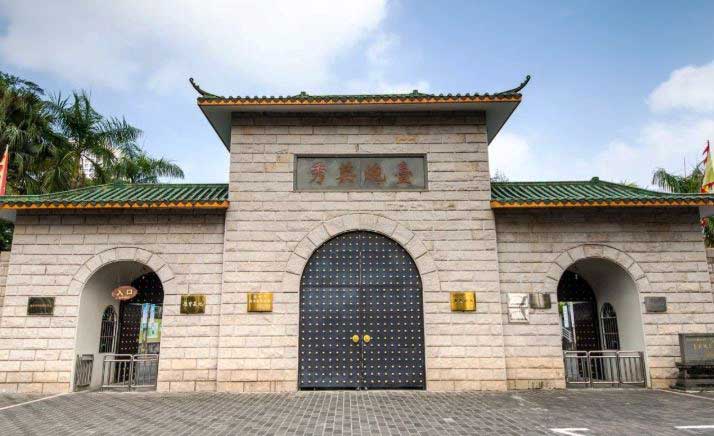
Although the war had ended, French squadrons remained active in the South China Sea, prompting the Qing government to strengthen defences. Reformist officials such as Zhang Zhidong advocated coastal fortifications, and Xiuying became one of the Four Great Coastal Forts of the late Qing, alongside Humen, Wusong, and Dagu Kou.
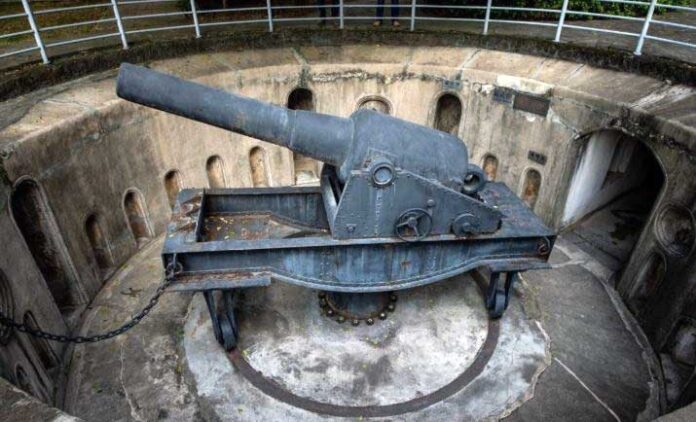
German Krupp steel artillery
Equipped with Krupp steel artillery and designed with “open platforms and hidden chambers,” the fort represented China’s modernization efforts. Though it never fought a decisive battle, it was later used against Japanese forces in the 1930s and remains a nationally protected cultural relic today.
Xiuying Fort (秀英炮台) stands in Haikou’s Xiuying District, perched on a low ridge facing the Qiongzhou Strait.
A Key Member of the “Four Great Coastal Forts” of Late Qing China
Xiuying Fort forms part of what historians call the Four Great Coastal Fortresses of the late Qing era, together with:
- Humen Fort (Guangdong)
- Wusong Fort (Shanghai)
- Dagu Kou Fort (Tianjin)
These sites represented China’s most modernised coastal-defence efforts of the 1880s–1890s, constructed as the Qing government tried to modernise its military forces with imported steel artillery, new engineering techniques, and reinforced fortifications.
Layout: Five Batteries Across a 240-Metre Ridge
The fort covers approximately 33,000 m² (about 3.3 hectares). Its design is linear with five batteries arranged east to west along a 240-metre-long ridge, each facing directly north toward the sea.
The batteries, from east to west, are:
- Zhenwu Battery (振武台)
- Zhendong Battery (镇东台)
- Gongbei Battery (拱北台)
- Dingxi Battery (定西台)
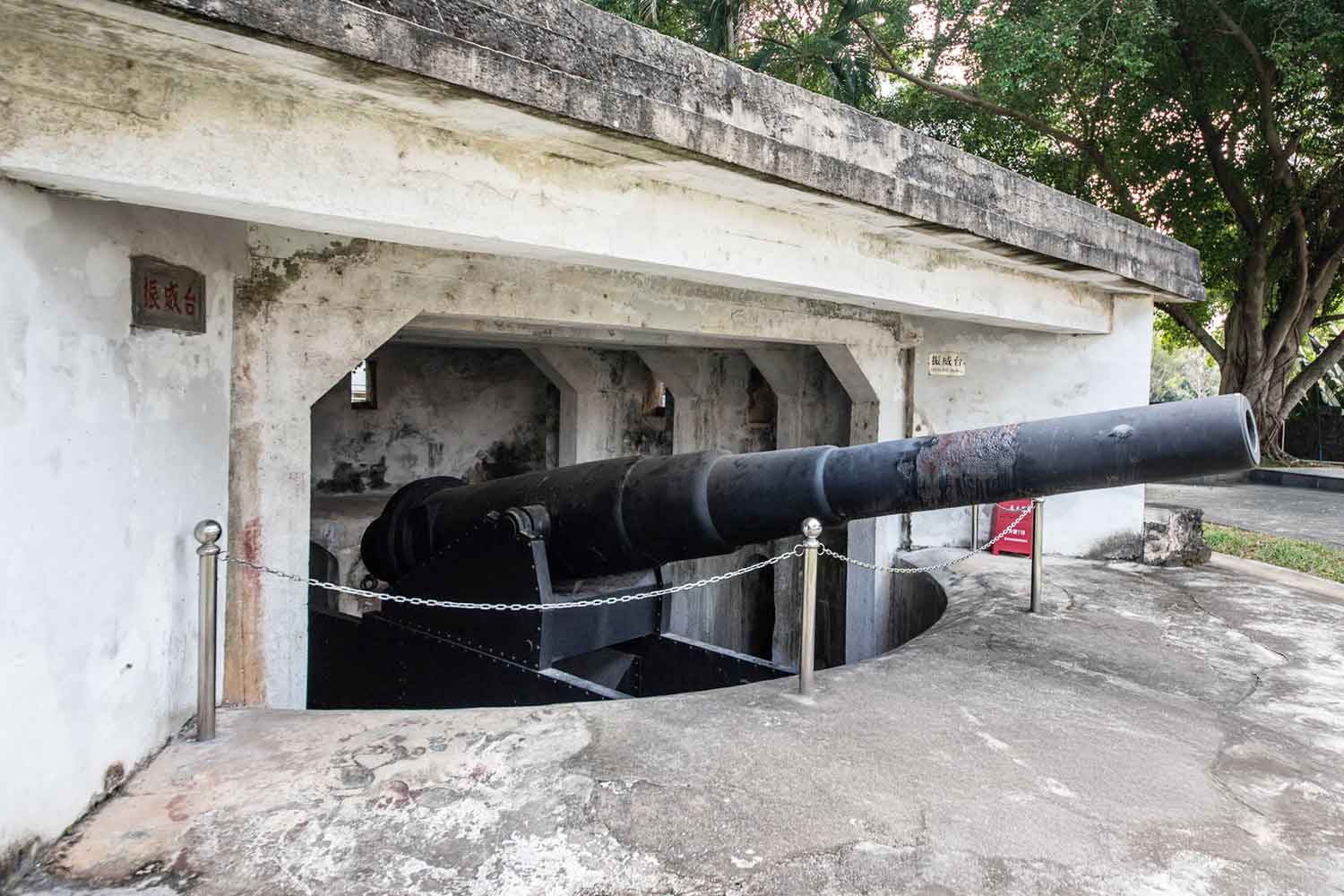
- Zhenwei Battery (振威台)
This alignment allowed the guns to create overlapping fields of fire across the entrance to Haikou Bay and the Qiongzhou Strait.
German-Made Modern Artillery
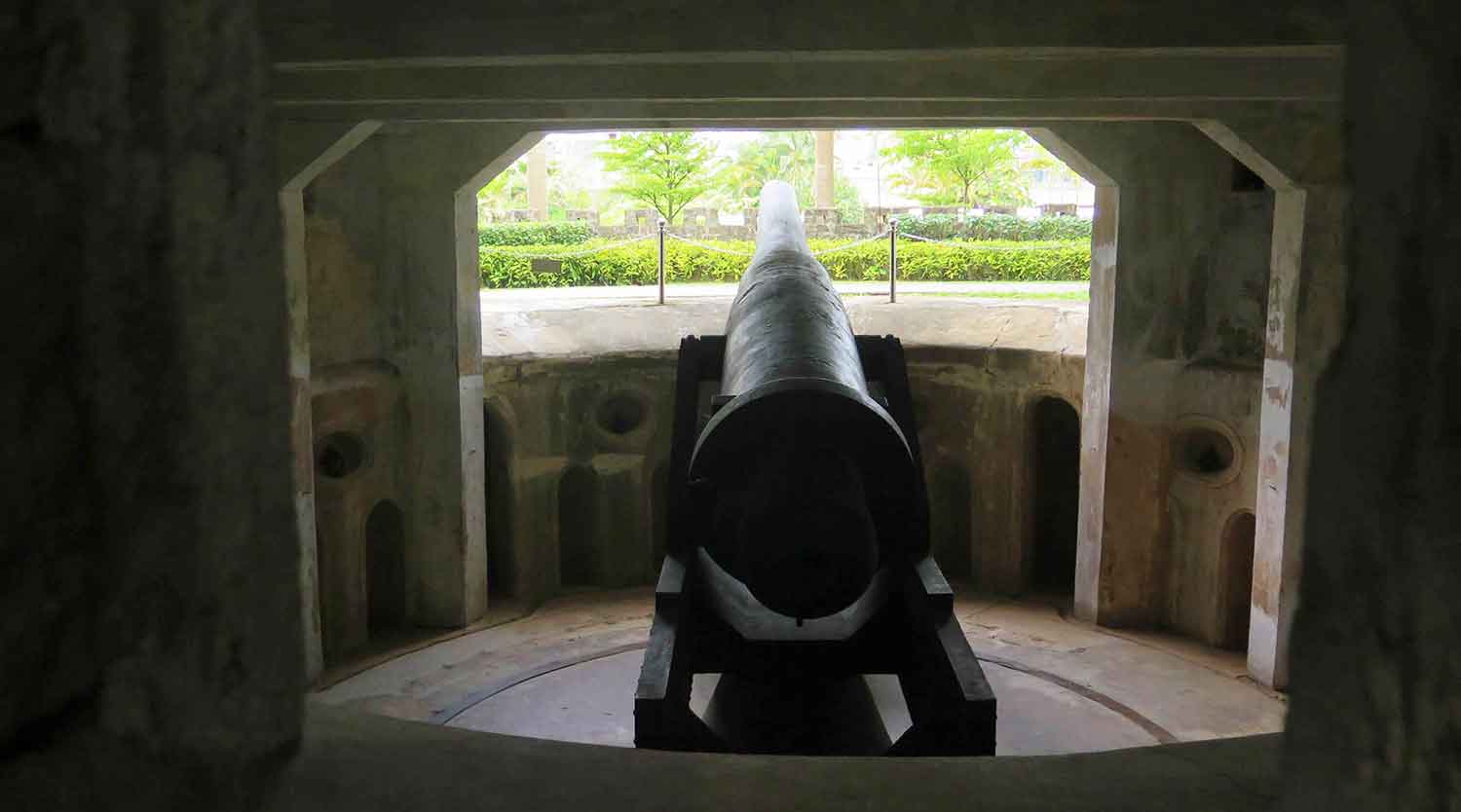
Xiuying’s guns were breech-loading steel coastal cannons imported from the Krupp Works in Essen, Germany, the most advanced artillery manufacturer in the world at the time.
Each gun belonged to the 15–20 cm class, with an effective range of up to 8 km. Ammunition was stored in reinforced underground chambers, and shells were brought up to the open gun platforms through narrow passageways during combat.
Engineering and Defensive Design
Xiuying Fort was constructed using:
- Basalt (火山石)
- Imported red-hair cement (红毛泥 / 洋泥)
- Locally fired brick
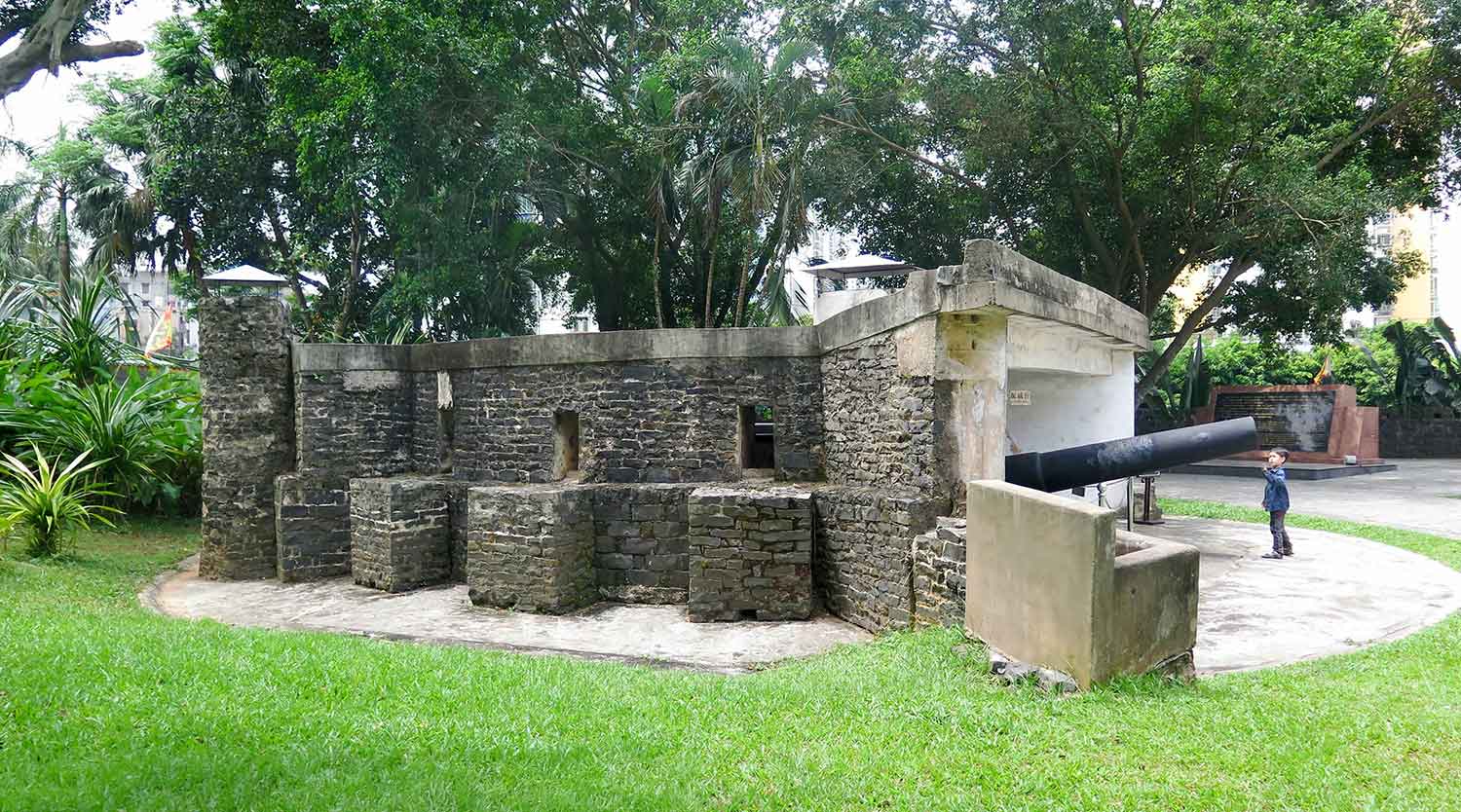
Materials were chosen for strength against naval bombardment. Each battery followed a “open platform, hidden chambers” (明台暗室) design:
The gun pit sat above ground, exposed for firing.
Beneath and behind it were ammunition magazines, crew shelters, and connecting tunnels cut into the hillside. Ventilation shafts ensured safe storage of gunpowder in Haikou’s humid climate.
The whole complex is tied together by a network of corridors, arched interior rooms, and narrow protected passageways.
The Zhenwu and Zhenwei Batteries
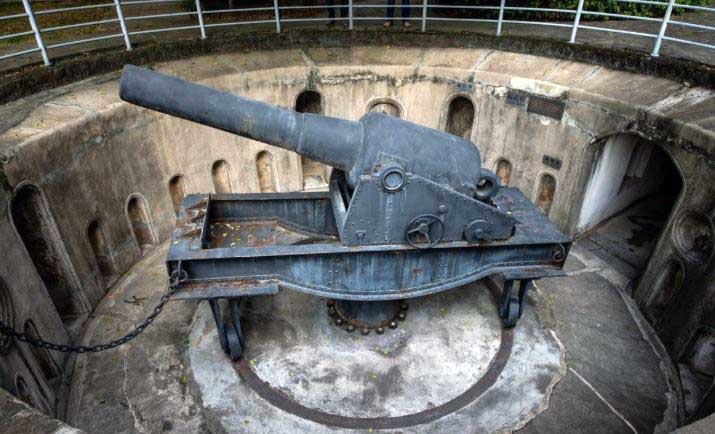
The eastern and western ends of the fort are anchored by Zhenwu and Zhenwei, two smaller batteries with distinctive circular gun pits.
At Zhenwu, a two-ton Krupp cannon was mounted on a rotating iron carriage.
The mount’s wheels ran along a circular steel track, allowing the barrel to traverse left and right. A full crew of 7–9 men was required to rotate, load, aim, and fire the gun.
Today, the restored Zhenwu gun and carriage, set within its original pit, are among the fort’s most recognisable sights.
The Underground Tunnels
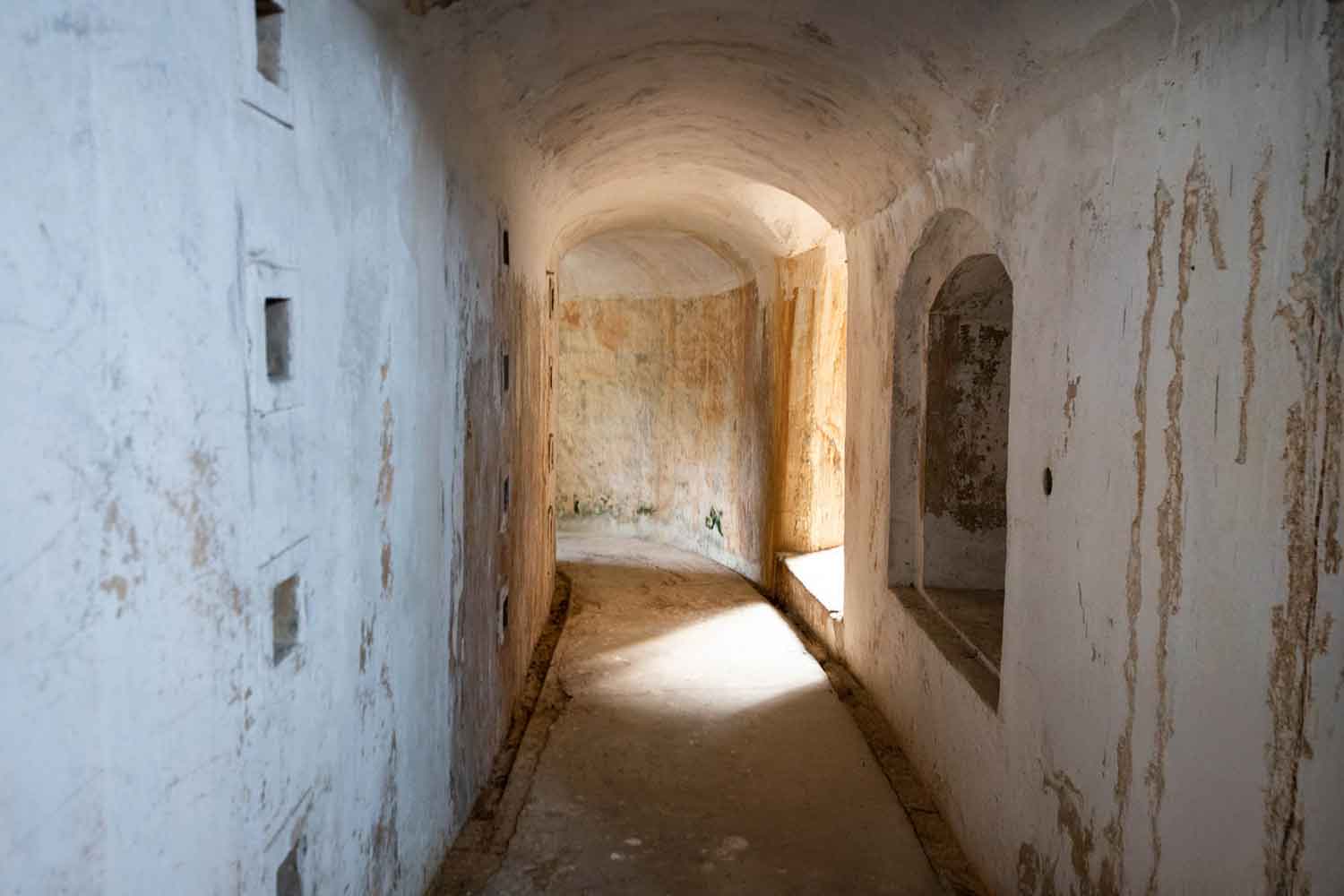
Beneath the main platforms lies a series of arched tunnels, providing protected movement between batteries. These tunnels linked:
- Ammunition stores
- Crew shelters
- Command stations
- Powder rooms
The design allowed the garrison to continue operating even under sustained naval bombardment. The vaulted ceilings and reinforced walls remain intact today, offering visitors a striking glimpse into late-Qing military engineering.
Drill Grounds, Barracks, and Daily Life
Behind the batteries, to the south of the ridge, the fort opens into wider grounds that served as:
drill fields for artillery training,
supply routes,
assembly points,
and barracks where soldiers lived.
The barracks and supporting structures were constructed of brick and rendered lime, typical of Qing-era military architecture in southern China.
Wartime Use and the 20th Century
After its construction, Xiuying Fort served intermittently as a defensive position.
Although some local accounts refer to minor engagements in the Republican era, the earliest reliably documented military activity in the 20th century is connected with Japan’s invasion of Hainan in 1939, after which the fort fell under Japanese control.
Throughout the mid-20th century, the site declined in military relevance but survived largely intact due to its location and solid construction.
Preservation and National Recognition
Xiuying Fort was officially designated as a municipal cultural relic protection unit in 1985.
In 1994, it was elevated to provincial-level protection.
Finally, in 2006, it was listed by the State Council as a National Key Cultural Relic Protection Unit (国家重点文物保护单位), confirming its importance in China’s coastal defense history.
Today, with landscaped paths, preserved batteries, and restored interior chambers, Xiuying Fort has become one of Haikou’s most atmospheric historical sites.
Visiting Xiuying Fort Today
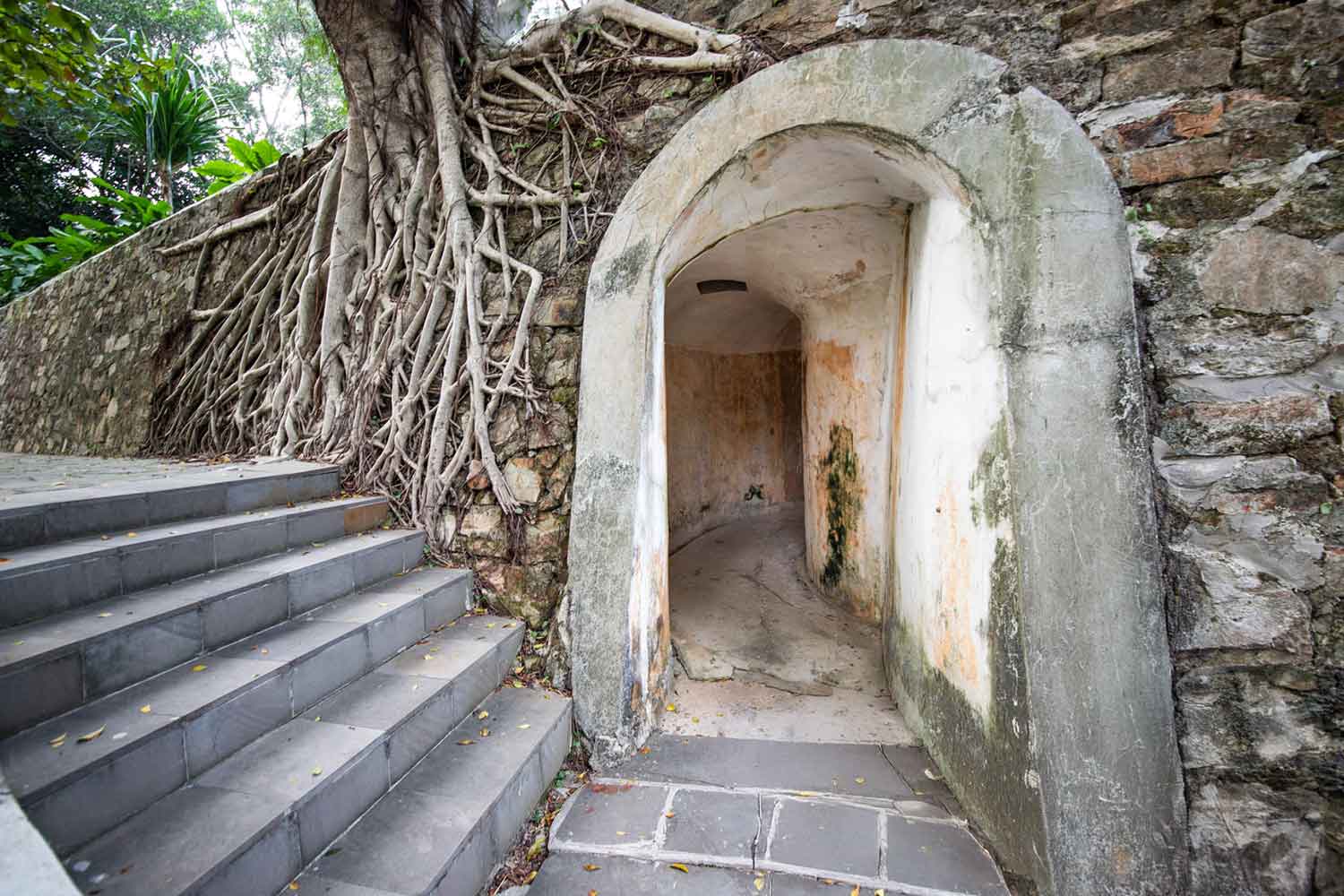
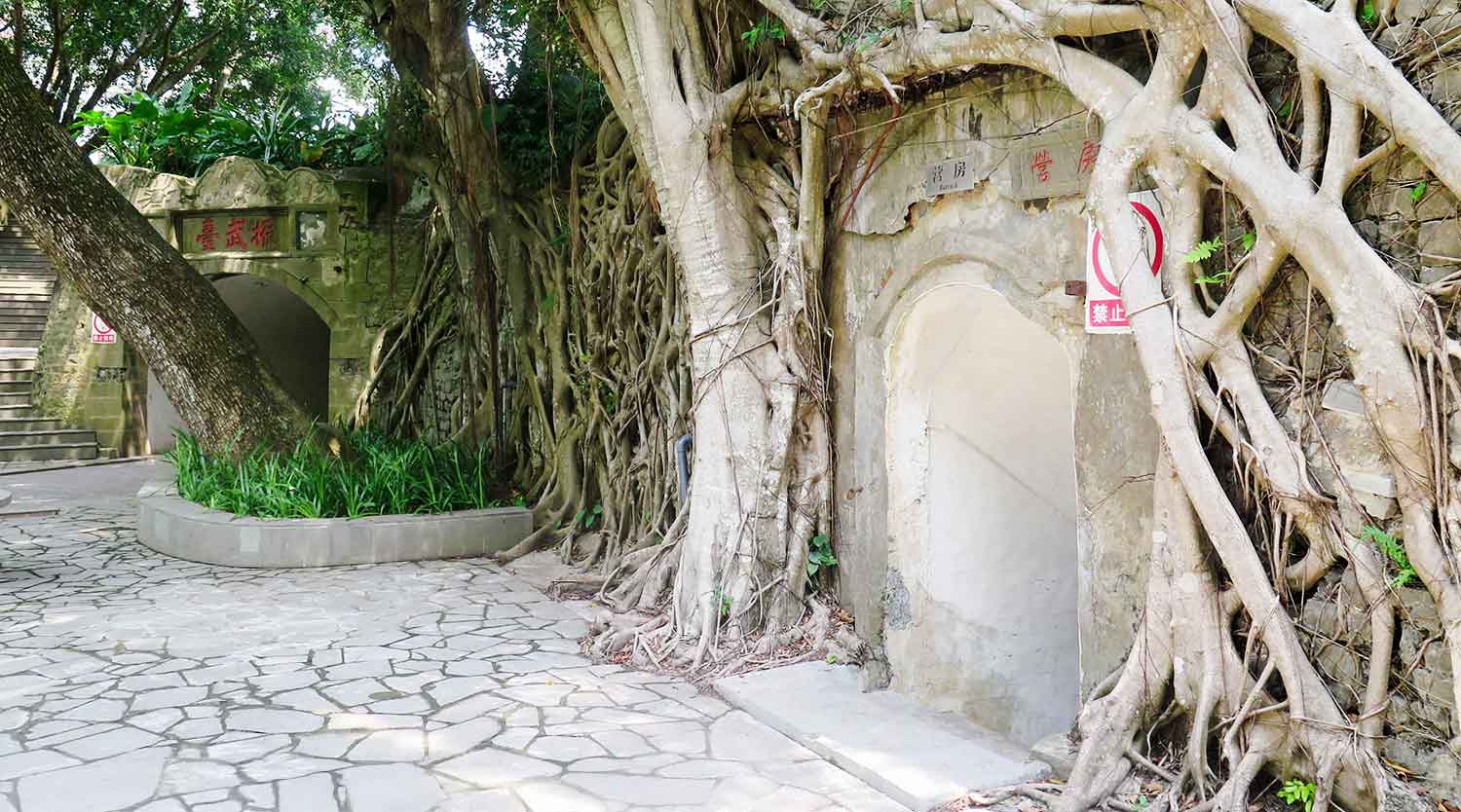
Visitors typically spend 30–45 minutes exploring the fort’s batteries, tunnels, and grounds. The site retains a remarkably tranquil feel despite its proximity to Haikou’s busy urban districts. The banyan-covered Zhenwei Battery, the circular gun pits of Zhenwu, and the cool underground corridors remain among the most memorable locations of the complex.
Though the fort never fired in a major decisive battle, it stands as a rare surviving example of China’s late-Qing attempts to modernise its coastal defences, and as a reminder of the turbulent decades that shaped modern Hainan.
Tickets cost RMB10 for adults (children get a reduced rate).
Location Address:秀英炮台
Related article: Discover More from Historical Haikou