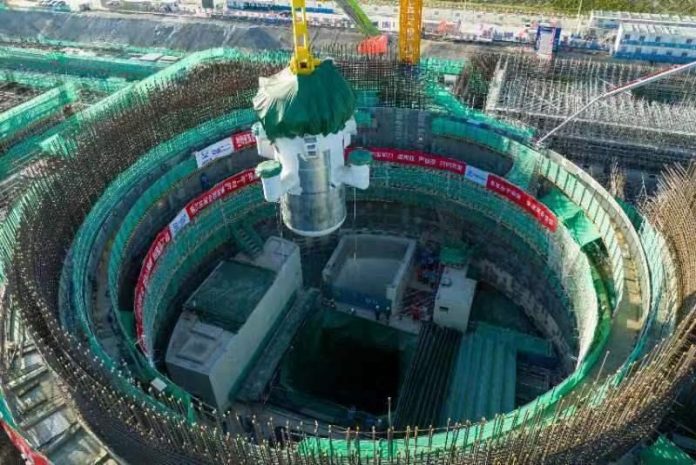
In 2016, the Hainan Changjiang ACP100, Linglong One, became the first Small Module Reactor (SMR) to pass a safety review by the International Atomic Energy Agency (IAEA)
With COP26 (the 26th annual UN Climate Change Conference) just concluded, (31 October to 12 November 2021), the world is focused now, more than ever, on climate change.
In August, an Inter-governmental Panel on Climate Change, (another UN body), released a report outlining just how much the planet has changed—and how serious things are going to get if we don’t act now.
At COP26 It was agreed that countries will meet next year to pledge further cuts to emissions of carbon dioxide (CO2) – a greenhouse gas which causes climate change.
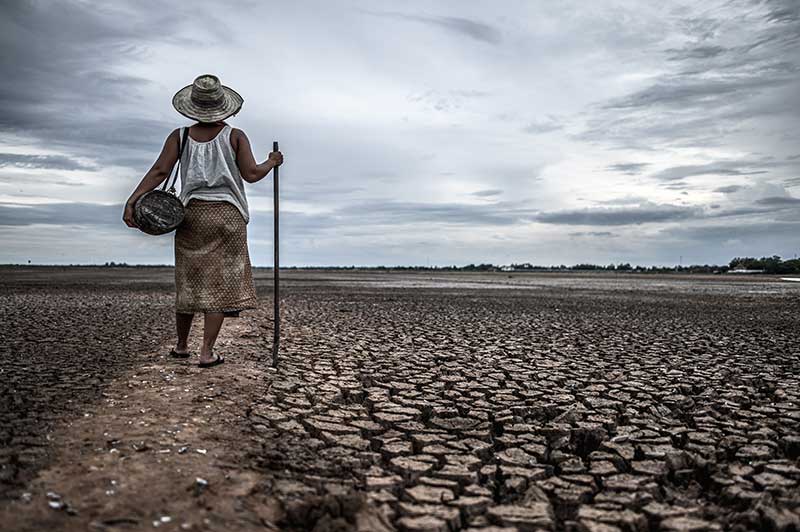
This is to try to keep temperature rises within 1.5C – which scientists say is required to prevent a “climate catastrophe”. According to predictive models, current pledges, if met, may only limit global warming to about 2.4C.
On June 1st, 2020, the Chinese government issued a master plan for the Hainan FTP, and as a result, the province’s economy and population are growing rapidly, so too is its energy demand. By some estimates, it’s expected that Hainan’s electricity demand could grow three-fold by 2035.
A plan to build Hainan Province into a demonstration zone for clean energy development
In May 2019, the government of China issued “The Implementation Plan of the National Ecological Civilization Experimental Zone (Hainan)” a plan to build the province into a demonstration zone for clean energy development by 2030.
Hainan had 9,130 MW of installed capacity in 2018, an increase of 35% compared to 2015. Of this installed capacity, 38% is coal, 14% is nuclear, 13% is photovoltaic, 9% is hydro power and 8% is natural gas.
Along with hydro, solar and wind energy, Hainan has another low carbon energy source, nuclear.
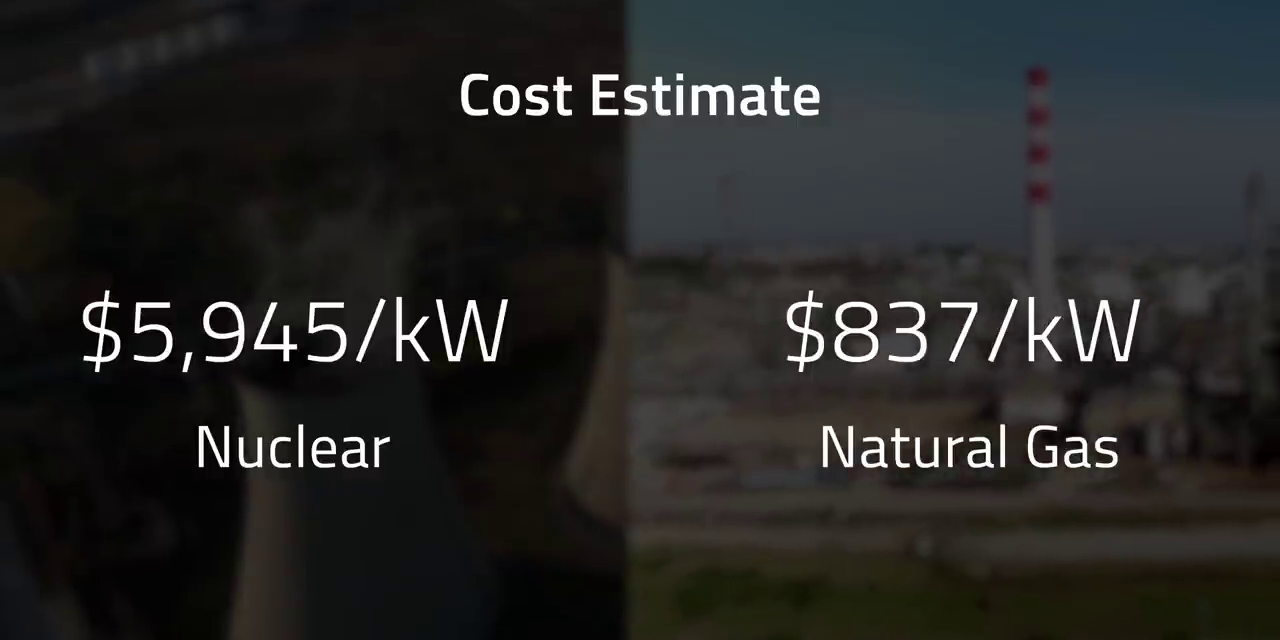
Nuclear power plants however are large and expensive, with cost estimates in 2008, in the range of $5,500/kW to $8,100/kW or between $6 billion and $9 billion for each 1,100 MW plant. A large nuclear power plant typically takes up to 6 years to construct compared to a natural gas generator which can be completed in around 2 years, but are not so CO2 friendly.
But what if there was another option to building massive expensive nuclear power plants?
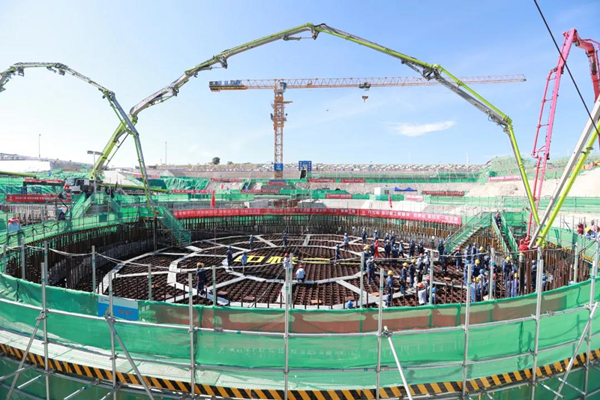
In July 2019, the China National Nuclear Corporation (CNNC) announced the launch of a project to construct an ACP100, Small Modular Reactor (SMR) at Changjiang. In 2016, the design became the first SMR to pass a safety review by the International Atomic Energy Agency and the 125 MWe unit is expected to start up by 31st May 2025, subject to relevant governmental approvals.
So what are Small Modular Reactors, what are the benefits and do they address the downsides of nuclear energy?

When the word nuclear is mentioned, most people have images of mushroom clouds and disasters. Although there is a very scary history behind nuclear energy, (think Hiroshima, Chernobyl or Fukushima), many scientists now believe nuclear energy is essential to establishing a reliable, carbon free energy supply. Nuclear accounted for 10.3% of the world’s electricity generation in 2019, the seventh successive year that nuclear generation has risen.
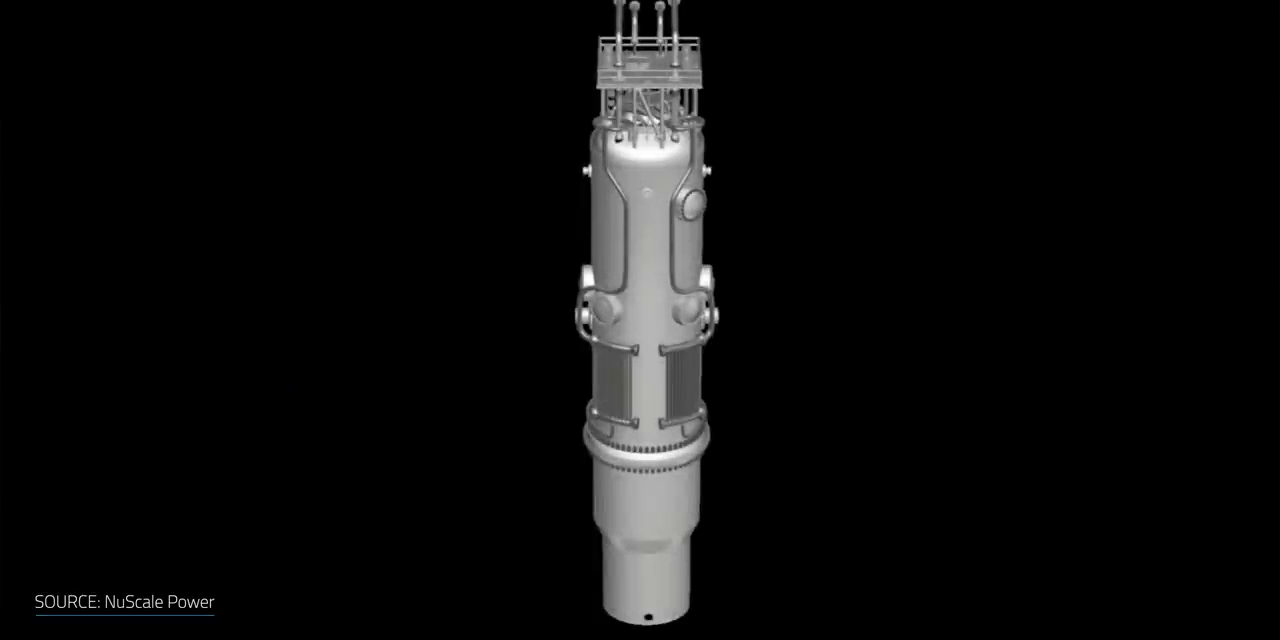
A Small Modular Reactor is a new nuclear technology which promises to reduce construction costs and time, and improve nuclear safety. Many people believe they are the future of nuclear power.
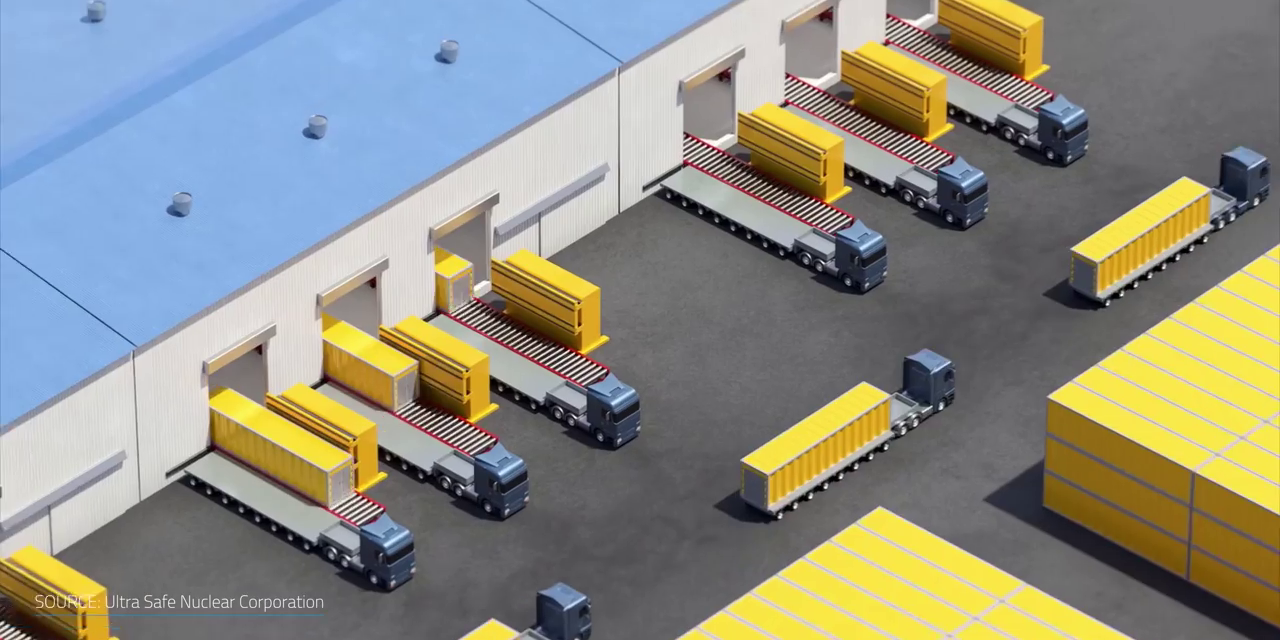
Small modular reactors can be manufactured in factories with standardised designs, they are small enough to fit into a standard shipping container which can then be transported to an installation site.
The World Nuclear Association defines small modular reactors (SMRs) as “nuclear reactors generally 300 MWe equivalent or less, designed with modular technology using module factory fabrication, pursuing economies of series production and short construction times.”
SMR’s can be linked together or with other power sources in Hainan including solar, wind and hydro to increase grid stability and security.
So, what about the safety of Small Modular Reactors?
Large conventional nuclear power plants are complex buildings that rely on external systems such as AC power, back-up generators, a water supply and batteries to cool down the reactor’s fuel in case of power loss, which increases the accident risks.
If something that wasn’t considered in the design happens, it may cause the system to fail as it did in Fukushima’s nuclear disaster in 2011 when a Tsunami that wasn’t expected hit the nuclear power plant.
When we talk about large nuclear reactors, what we are referring to is the containment building with large thick walls, safety systems and cooling.
But with SMR’s its different.
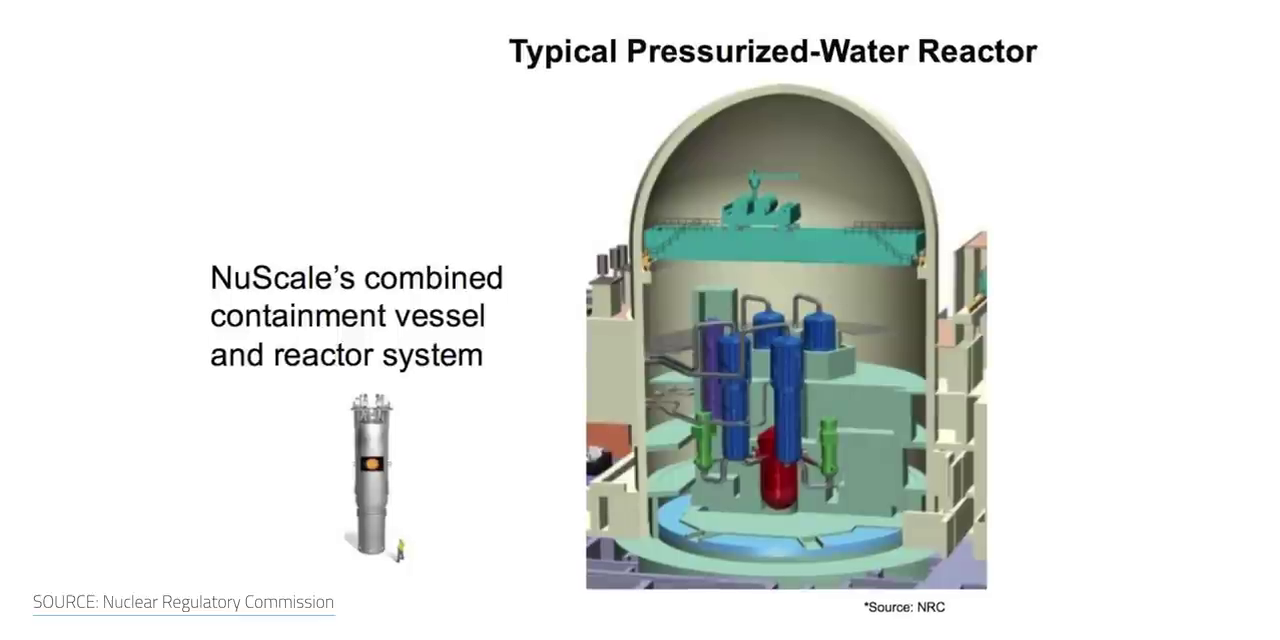
These small reactors fit into other structures or come with their own containment structure, and some of the designs come with long refuelling cycles.
Conventional nuclear reactors typically have to be shut down every 18 – 24 months for refuelling (which usually takes about a month), whereas some SMR’s can operate for 20 years without the need for refuelling.

SMR’s achieve better safety and security through lower thermal power of the reactor core, and using passive safety systems. This means they have less reliance on active safety systems like AC grid power, additional pumps, generators and batteries.
In an emergency, valves open automatically, allowing steam to be released from the reactor vessel into the containment vessel. The steam then condenses and water flows back down into the core through another set of valves at the bottom of the reactor vessel.
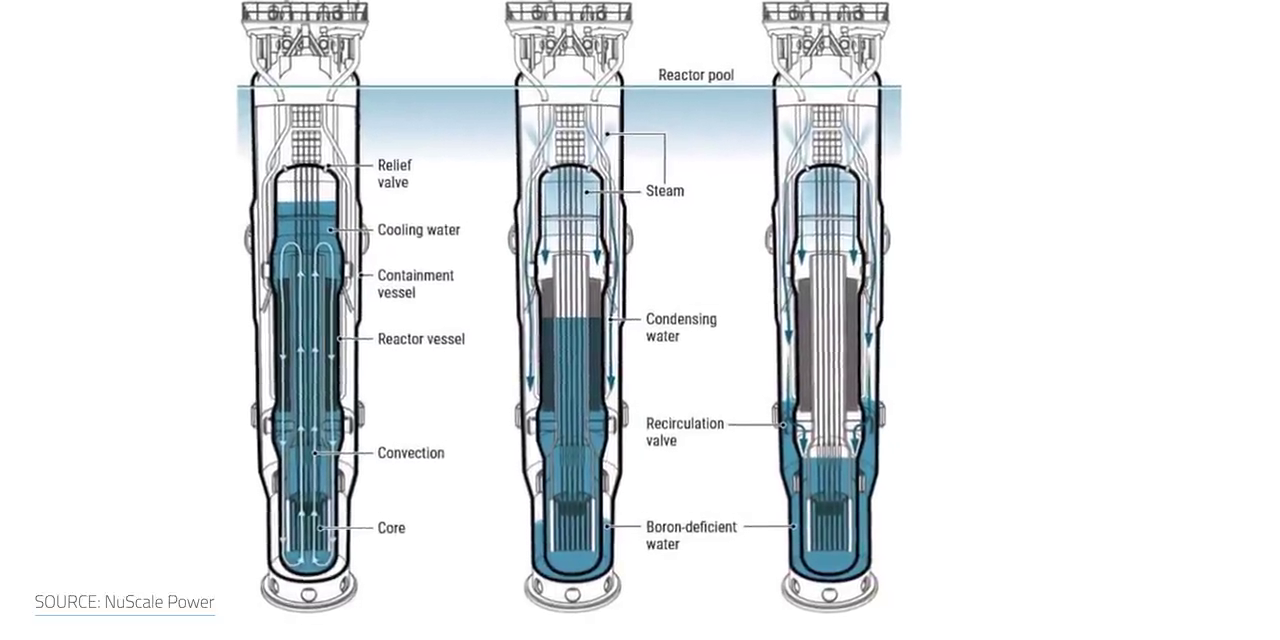
The steam and water recirculate, cooling the system down until the heat and pressure stabilises needing no external interference, no AC or DC power and no additional water.
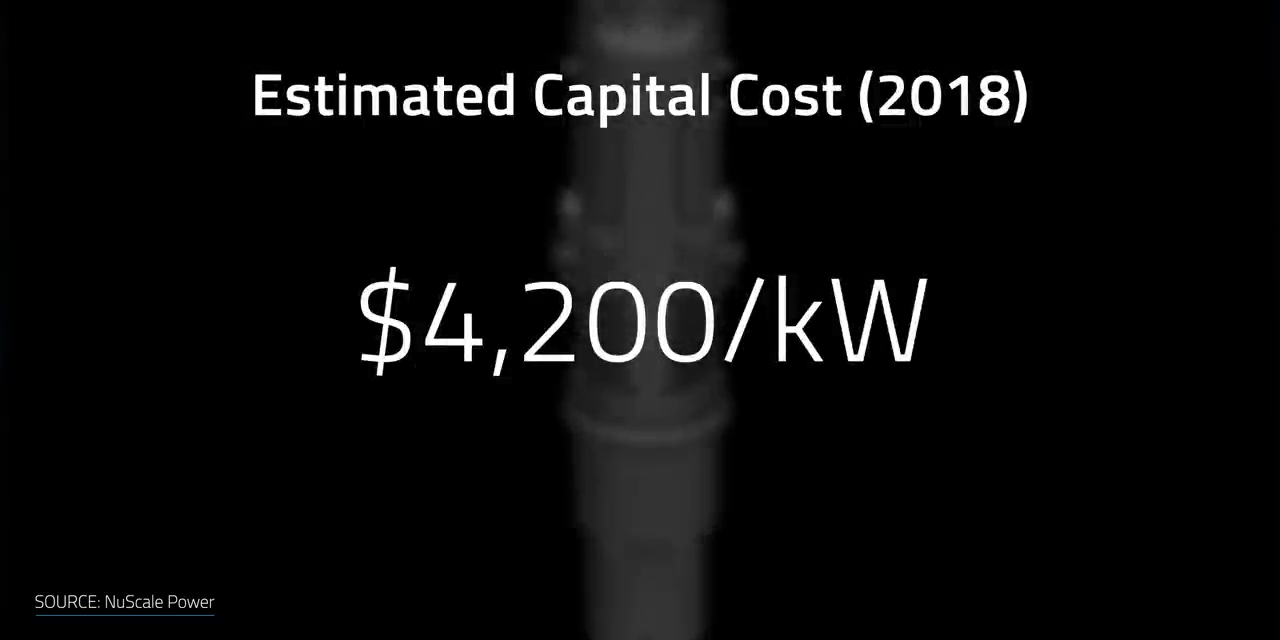
The estimated capital cost of SMR’s for one U.S. company, NuScale Power, is $4,200/kW compared to $5,945/kW for a conventional nuclear power plant.
SMR’s are proving to be cheaper, safer and have less downtime when compared to conventional nuclear power plants.
Proponents of nuclear power are advocating SMR’s to be more cost effective and competitive than conventional nuclear power plants and the answer to balance the intermittent power supply that comes from solar and wind.
All of this is not to suggest for a second that nuclear power, no matter how cheap and safe the reactors may be, is the ideal solution for the world’s clean energy needs.
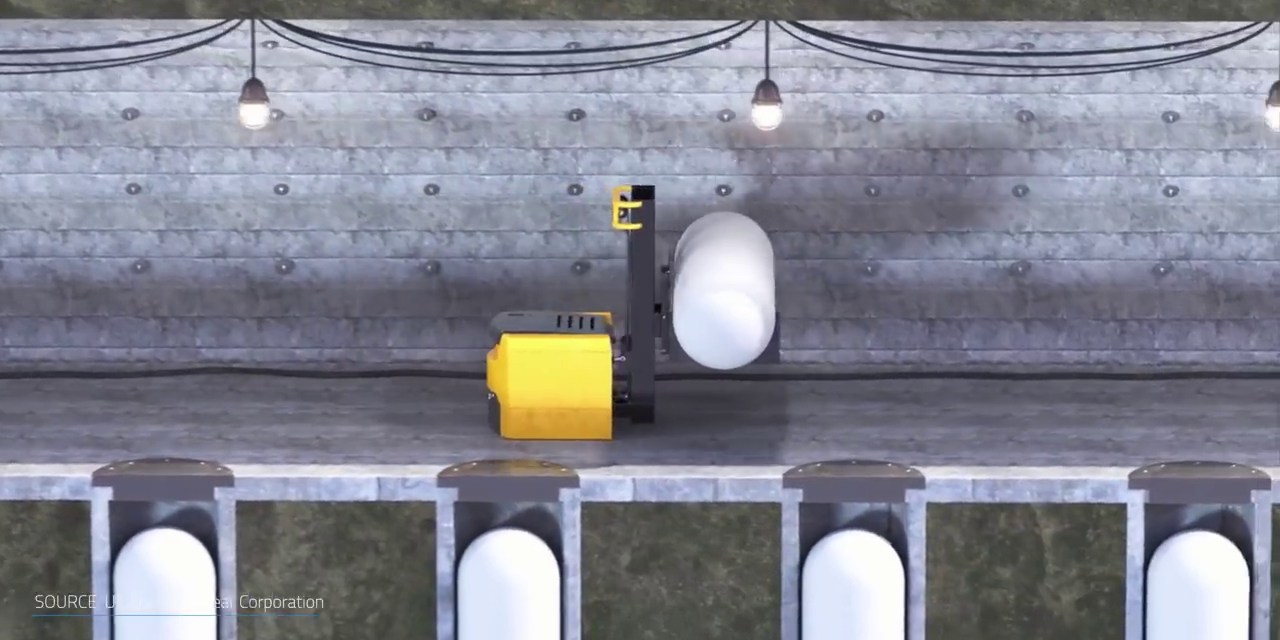
As Gordon Edwards, president of the Canadian Coalition for Nuclear Responsibility said, “Radioactive left-over used fuel from the new (SMR) reactors will still require safe storage for hundreds of thousands of years.”
As of 2021, no country has yet proposed a permanent, universally accepted solution of how to store the radioactive waste. SMR’s still generate highly radioactive used fuel.
However, according to Bill Hare, CEO of Climate Analytics, the agreements made at COP26 amount to “dangerous” false hope, and “the stark reality is that we are far from solving the climate problem.”
“It’s all very well for leaders to claim they have a net zero target, but if they have no plans as to how to get there, and their 2030 targets are as low as so many of them are, then frankly, these net zero targets are just lip service to real climate action,” Bill Hare, CEO of Climate Analytics.
When faced with the very stark realities of a global temperature rise of over 2.0C, and all the devastation and disruption that entails, or the problems of handling and storing radioactive left-over used fuel from the new (SMR) reactors that will still require safe storage for hundreds of thousands of years, for some the choice is simple.
As Richard Rhodes at the Yale School of the Environment said, “nuclear power can be, and should be, one major component of our rescue from a hotter, more meteorologically destructive world.”
Related article: Explaining the explosive growth of China’s New Energy Vehicle market