
Hainan’s Clean Energy Vehicle Development Plan (2019-2030)

Hainan’s Clean Energy Vehicle Development Plan (2019-2030)

On March 6, 2019, the province of Hainan announced a plan to progressively shift to all clean energy vehicles, including in all its 19 cities and towns, by 2030.

Leveraging the clean grid in the region, the “Development Plan of Clean Energy Vehicles in Hainan Province,” promotes clean energy vehicles as a core strategy toward achieving world-class air quality in Hainan.
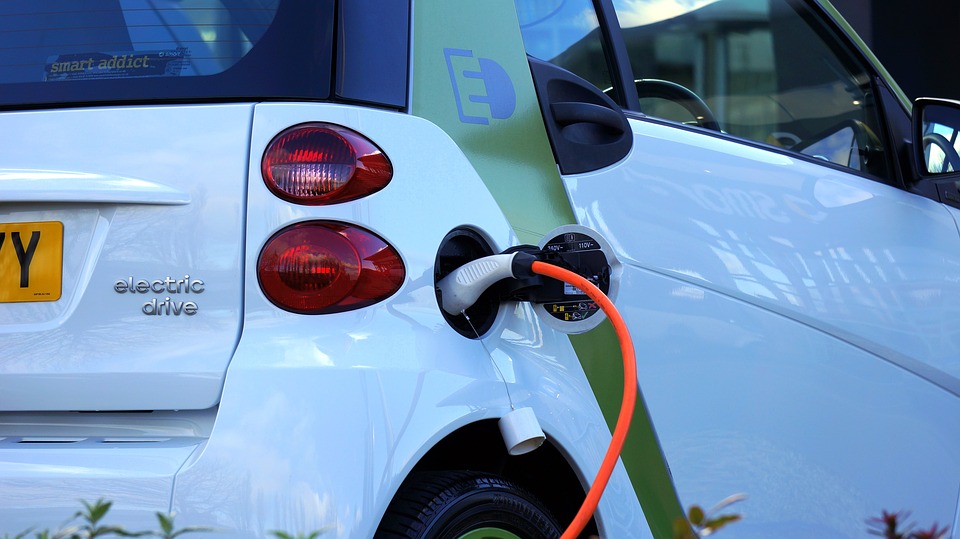
Clean energy car
Clean energy vehicle

As of today, Hainan has deployed 37 thousand electric vehicles, thanks to the decade-long new energy vehicle demonstration pilot program and associated incentives introduced in major cities in the region.

Hainan’s clean energy vehicle development plan targets

In the Plan, clean energy vehicles refer to both electric vehicles and clean alternative fuel vehicles. By the end of 2018, Hainan had a total of 1.27 million vehicles registered, of which 37,100 (2.9%) are clean energy vehicles, including 22,800 (1.8%) electric vehicles and 14,300 (1.1%) clean alternative fuel vehicles.

The Plan sets clean energy vehicle targets for new sales or all vehicles in the market by vehicle sector in three phases—2020, 2025 and 2030 (Table 1).

The goals initially target public fleets, such as government vehicles and buses, and will apply to private passenger and commercial fleets in proceeding years.

In principle, electric technologies will apply in most urban fleet sectors, while other clean energy technologies will remain in a few commercial fleets such as inter-city and tour coaches that are technologically less ready for electrification.
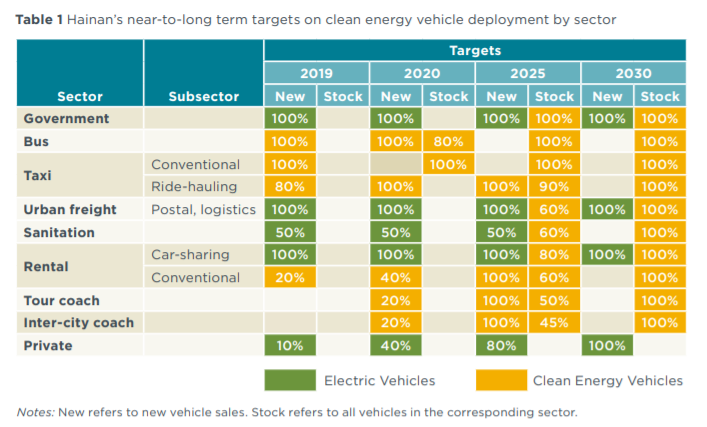
Table 1 Hainan’s near-to-long term targets on clean energy vehicle deployment by sector

The plan prioritizes the transition to clean energy vehicles by different regions of the province based on social economic and transportation development levels.

As shown in Figure 2, clean energy vehicle deployment will initially be prioritized in Zone 1, which includes the province’s capital city of Haikou in addition to four other cities.

Next, clean energy vehicles will be encouraged as widely as feasible in Zone 2, which includes five cities and towns along the coast, and lastly encouraged in the more inland Zone 3.
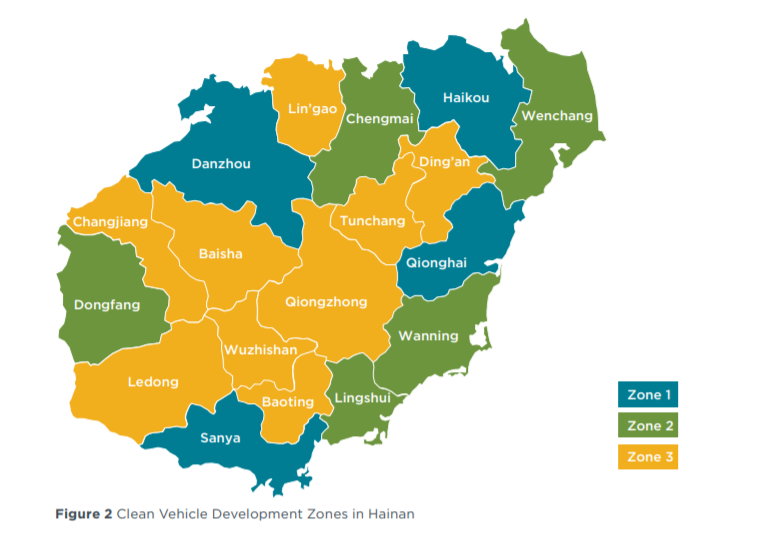
Figure 2 Clean Vehicle Development Zones in Hainan

Beyond the vehicle targets, the Plan also sets development goals for charging infrastructure—the overall charger-to-EV ratio is required to meet 3-to-1 by 2020, and 2-to-1 by 2025, compared with today’s level of 4.5-to-1. That ratio for public chargers needs to be 7-to-1, and chargers need to be available for every 50-km on the provincial freeways. The charging network shall be able to cover, on average, every 1, 2 or 3 kilometers in distance in the above three clean energy vehicle development zones, respectively.

Supportive policies under consideration

Several local-level policies were implemented in major cities of Hainan to support the deployment of electric vehicles in the past decade. These include vehicle purchase subsidies, exemption from vehicle and vessel tax, exemption from vehicle purchase tax, differentiated utility rates, charging fee reductions, vehicle registration privilege, as well as building and parking codes.

Besides these, Hainan is also considering a new set of policies and actions to remove barriers, financial and institutional, from implementation (Table 2). The policies support the adoption of both electric and natural gas vehicles.
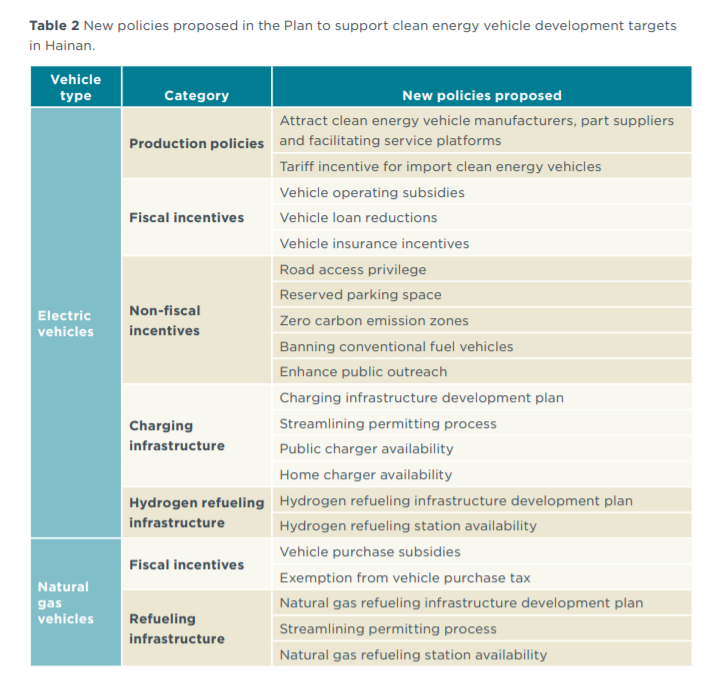
Table 2 New policies proposed in the Plan to support clean energy vehicle development targets

With the Plan, Hainan becomes the first province in China to announce official targets for a transition to clean energy vehicles. The Plan is expected to deliver huge environmental benefits and contribute to Hainan’s long-term economic development plan to be China’s pioneering free trade zone. The next step and real challenge is to turn targets into detailed and effective policies and actions and make sure they are well implemented.

Source: https://theicct.org

Related Article: Harrow Haikou will officially start school September 2020

LEAVE A REPLY

Please enter your comment!
Please enter your name here

- Follow Us on WeChat -

spot_img

Related articles:

Hainan’s Free Trade Port Is Moving From Incentives to Usability

Hainan’s new services plan points to a shift in how foreign operators may use the FTP: banking, permits, policy access and talent recognition …

How Hainan’s 30% Rule Is Beginning to Shape Business Decisions

How Hainan’s 30% rule is beginning to shape business decisions for companies using the FTP’s customs route into mainland China ...

Typhoon Season 2026, What Hainan Residents Can Expect in the Coming Months

Typhoon Season 2026 in Hainan: What residents need to know about storm forecasts, El Niño impacts, ferry suspensions, airport disruptions, warning levels, and how to prepare for typhoons from July to October ...

Want to Stay in China After Graduation? Hainan Has a Startup Route

How international graduates can stay in China after graduation through Hainan’s startup residence route, and why it does not allow paid work ...

Get weekly email updates for new articles published!

Follow Us on WeChat

spot_img

Latest Articles ...

What spouses on S visas in China can and cannot legally do, including work, tutoring, remote work, volunteering, tax, and permit risks ...
A complete guide, how to apply online for a provisional driving permit in Hainan as a foreign national, including the application steps, required documents, and the online learning module you must complete ...
Foreign employees in China may have a Housing Provident Fund account they have never checked. The balance, employer contributions included, can be withdrawn in full when you leave. Here is how to claim it before you go …
You contributed 8% of your salary to a Chinese pension account every month. Many expats leave without claiming it. Here is a breakdown of what you are owed and the window you cannot afford to miss ...
spot_img

China’s Green Card: How Rare Is It, and What It Takes to Get One

Between 2004 and 2017, China issued just over 10,000 permanent residency permits to foreign nationals. This guide explains the four eligibility routes, the real criteria, and your honest odds of qualifying …

Why Your Passport Doesn’t Work: A Foreigner’s Guide to China’s ID-Only Systems

Your passport is legally valid for trains, hotels, SIM cards and payment accounts in China. The problem isn't the rules, it's the systems built on top of them …

China’s 2026 Work Permit Salary Rules: Who Actually Needs to Worry?

China’s work permit salary thresholds have raised concerns among foreign professionals. This explainer clarifies the 6× and 4× rules, why the figures appear high, and who is actually affected ...

Change Jobs in China Without Losing Your Legal Status

A practical guide to changing employers in China without losing your work permit or residence status, with timelines, documents, and common risks explained ...
spot_img

Looking for an international pre-school in Haikou?

Flora's International Preschool has three preschools in the Haikou area. Our schools follow a European curriculum

Continue Reading ...

Hainan’s Free Trade Port Is Moving From Incentives to Usability

Hainan’s new services plan points to a shift in how foreign operators may use the FTP: banking, permits, policy access and talent recognition …

How Hainan’s 30% Rule Is Beginning to Shape Business Decisions

How Hainan’s 30% rule is beginning to shape business decisions for companies using the FTP’s customs route into mainland China ...

Typhoon Season 2026, What Hainan Residents Can Expect in the Coming Months

Typhoon Season 2026 in Hainan: What residents need to know about storm forecasts, El Niño impacts, ferry suspensions, airport disruptions, warning levels, and how to prepare for typhoons from July to October ...

Get weekly email updates for new articles published!

Never miss another important notice or event. Be informed of what you need to know, when you need to know it.