
Have you tried Hainan Fish Tea?

This strange-sounding fermented fish product is sometimes referred to as Hainan’s answer to sushi.

Fish tea!……Yes, you heard right.

This nutritionally rich concoction has been around for generations and it is a popular snack among the Li and Miao people of Hainan Island. Hainan Fish Tea gets its name from the way it is made. Part of the process requires brewing, similar to making a cup of green or black tea.

The dish is especially popular around the March 3rd festival, which falls on the 3rd day of the 3rd month of the lunar calendar. This is also known as the love festival and day of talking, where many young men and women engage in traditional courtship activities.
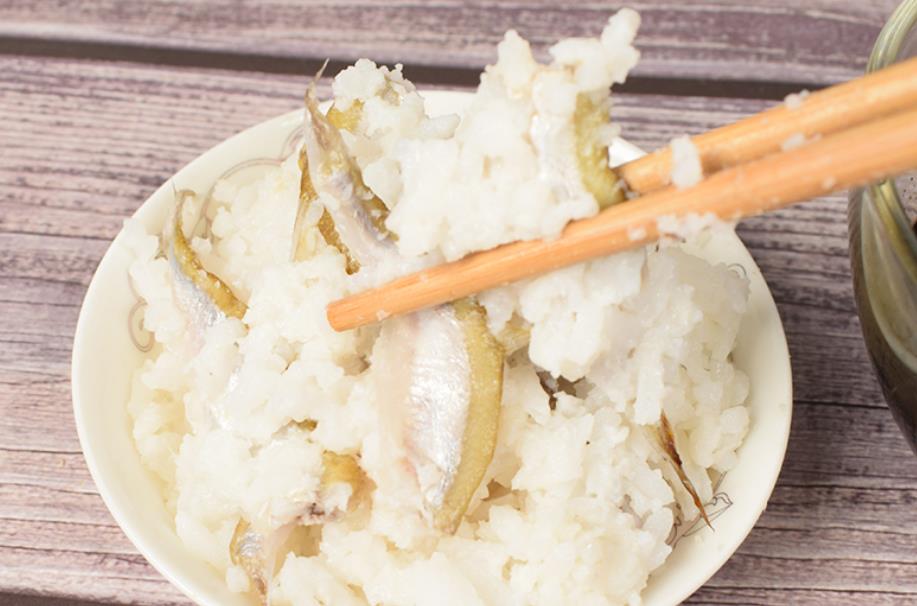
Hainan Fish Tea

Origins of fish tea

Regarding the origins of fish tea, folklorists in Hainan say that there are three different stories:

The first story is that a long time ago, a Li woman accidentally put raw fish and rice together. After a few days, she found that the fish tasted good.

The second story is that, after a harvesting feast, a person from the Li community put rice and raw fish in a jar together in order not to waste the leftovers. After a few days, they found that the fish tasted sour and actually quite good to eat.

The third story is that in the process of “slash-and-burn cultivation”, the Li people discovered that eating raw fish and rice together can “cool down” the body, so they developed fish tea. 

The taste of the tea is said to be both sweet and sour, and quite fragrant. Surprisingly, it is also said that fish tea doesn’t have a fishy smell.

Health benefits of fish tea

The fermented fish tea is rich in minerals such as selenium and chromium, which are said to slow down the aging process, be anti-tumor, prevent arteriosclerosis, and improve human immunity.

The lactic acid bacteria found in fish tea are beneficial to your intestinal tract, the growth of bacteria is said to effectively prevent cancer and prevent memory loss.

Hainan fish tea is a food the Li and Miao nationalities in Hainan used to entertain guests.
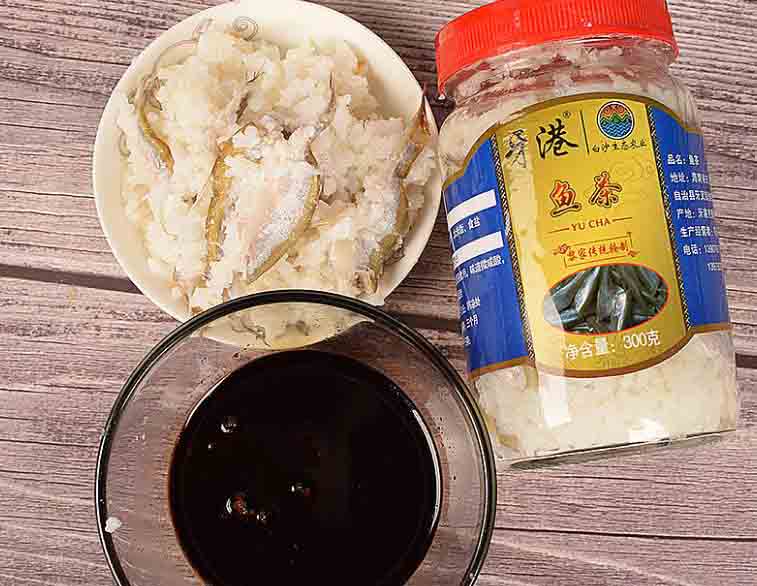
It is recommended to eat Hainan fish tea with soy sauce for dipping

Fish tea can be made in two varieties – wet and dry.

Fish tea is not actually tea, (as I’m sure you’ve figured out by now), it is what Hainanese people call sushi-like food. It is popular with people living in the mountainous areas of Hainan. The main ingredients are cooked mountain rice that has been naturally fermented, fresh fish, fish belly, pork, and eggs.

Wet fish tea is made by cutting freshwater fish into pieces, smearing them with salt, leaving for an hour or two then draining the brine. It is then washed and put into a clean jar with slices of garlic and pork among other condiments to ferment.

Dried fish tea is made using sun-dried fish. It is then mixed with cold rice and condiments and put into a clean jar and sealed.

During the hotter months, it can be consumed after 7-10 days. When it is cooler, it takes a little longer to ferment and you could be waiting up to a month to crack the jar. The longer the fermentation time, the stronger the taste.
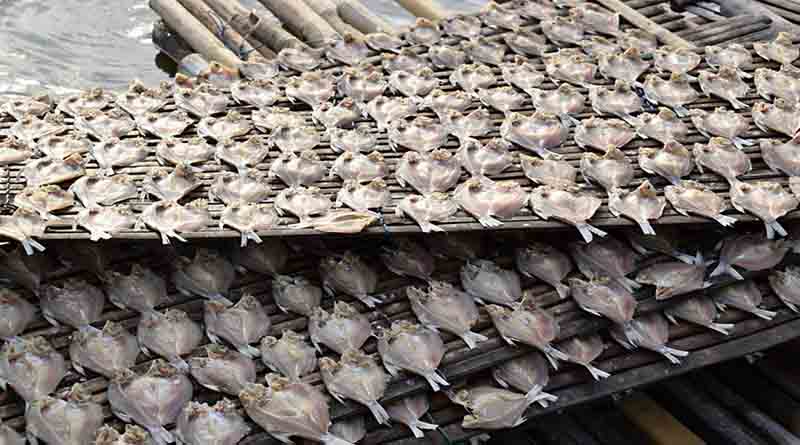
Fish is sun-dried on racks outdoors to make the dry variety of fish tea

Making fish tea

The method of making fish tea is very simple, but the way of making it varies from region to region.

Within the Wuzhishan area, most of the Li nationality use mountain orchid rice and wild fish from the local reservoirs and rivers. They also add garlic, onion, ginger, and salt.

Steps

First wash the fish, gut and set aside the meat

Prepare a jar or glass bottle

Chop the onion, ginger, and garlic, stir it with the fish, dried rice and salt, then put it into the jar together

Compact it and place a layer of rice in the mouth of the jar.

Seal the jar and place in a cool place, usually 7-10 days in summer, half a month or a month in winter, and then take it out for consumption after fermentation.

Where to buy Hainan Fish Tea?

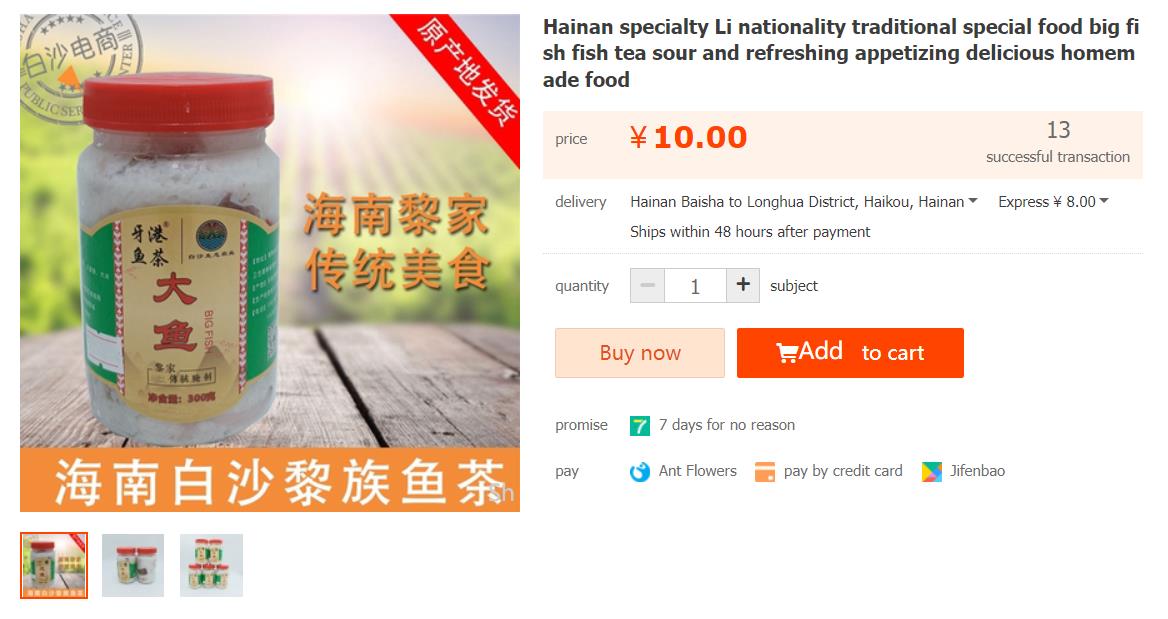
Unless you are in the mountainous regions of Hainan, it’s generally not something you could pick up at your local convenience store. If you search 海南鱼茶 Hǎinán yú chá literally meaning ‘Hainan Fish Tea’ on Taobao or Meituan you’ll find a number of stores selling it online
Related article: More on minority arts and culture

Comment or complaint

If you would like to make a comment, compliment or complaint about any aspect of living or working in Hainan Island, we’d love to hear from you. We pass all communications on to the relevant services. Please keep it polite and to the point.

[wpforms id=”36311″ title=”false”]

LEAVE A REPLY

Please enter your comment!
Please enter your name here

- Follow Us on WeChat -

spot_img

Related articles:

Lost Your Passport in China: The Emergency Document You Should Know About

Lost your passport in China? If your embassy, consulate, or relevant home-country institution in China cannot reissue a travel document, China has an Exit-Entry Permit for Foreigners …

Hainan’s Free Trade Port Is Moving From Incentives to Usability

Hainan’s new services plan points to a shift in how foreign operators may use the FTP: banking, permits, policy access and talent recognition …

How Hainan’s 30% Rule Is Beginning to Shape Business Decisions

How Hainan’s 30% rule is beginning to shape business decisions for companies using the FTP’s customs route into mainland China ...

Typhoon Season 2026, What Hainan Residents Can Expect in the Coming Months

Typhoon Season 2026 in Hainan: What residents need to know about storm forecasts, El Niño impacts, ferry suspensions, airport disruptions, warning levels, and how to prepare for typhoons from July to October ...

Get weekly email updates for new articles published!

Follow Us on WeChat

spot_img

Latest Articles ...

How international graduates can stay in China after graduation through Hainan’s startup residence route, and why it does not allow paid work ...
What spouses on S visas in China can and cannot legally do, including work, tutoring, remote work, volunteering, tax, and permit risks ...
A complete guide, how to apply online for a provisional driving permit in Hainan as a foreign national, including the application steps, required documents, and the online learning module you must complete ...
Foreign employees in China may have a Housing Provident Fund account they have never checked. The balance, employer contributions included, can be withdrawn in full when you leave. Here is how to claim it before you go …
spot_img

China’s Green Card: How Rare Is It, and What It Takes to Get One

Between 2004 and 2017, China issued just over 10,000 permanent residency permits to foreign nationals. This guide explains the four eligibility routes, the real criteria, and your honest odds of qualifying …

Why Your Passport Doesn’t Work: A Foreigner’s Guide to China’s ID-Only Systems

Your passport is legally valid for trains, hotels, SIM cards and payment accounts in China. The problem isn't the rules, it's the systems built on top of them …

China’s 2026 Work Permit Salary Rules: Who Actually Needs to Worry?

China’s work permit salary thresholds have raised concerns among foreign professionals. This explainer clarifies the 6× and 4× rules, why the figures appear high, and who is actually affected ...

Change Jobs in China Without Losing Your Legal Status

A practical guide to changing employers in China without losing your work permit or residence status, with timelines, documents, and common risks explained ...
spot_img

Looking for an international pre-school in Haikou?

Flora's International Preschool has three preschools in the Haikou area. Our schools follow a European curriculum

Continue Reading ...

Lost Your Passport in China: The Emergency Document You Should Know About

Lost your passport in China? If your embassy, consulate, or relevant home-country institution in China cannot reissue a travel document, China has an Exit-Entry Permit for Foreigners …

Hainan’s Free Trade Port Is Moving From Incentives to Usability

Hainan’s new services plan points to a shift in how foreign operators may use the FTP: banking, permits, policy access and talent recognition …

How Hainan’s 30% Rule Is Beginning to Shape Business Decisions

How Hainan’s 30% rule is beginning to shape business decisions for companies using the FTP’s customs route into mainland China ...

Get weekly email updates for new articles published!

Never miss another important notice or event. Be informed of what you need to know, when you need to know it.