spot_img
HomeHistorical HaikouExploring Fucheng: A...

Exploring Fucheng: A Journey Through Time

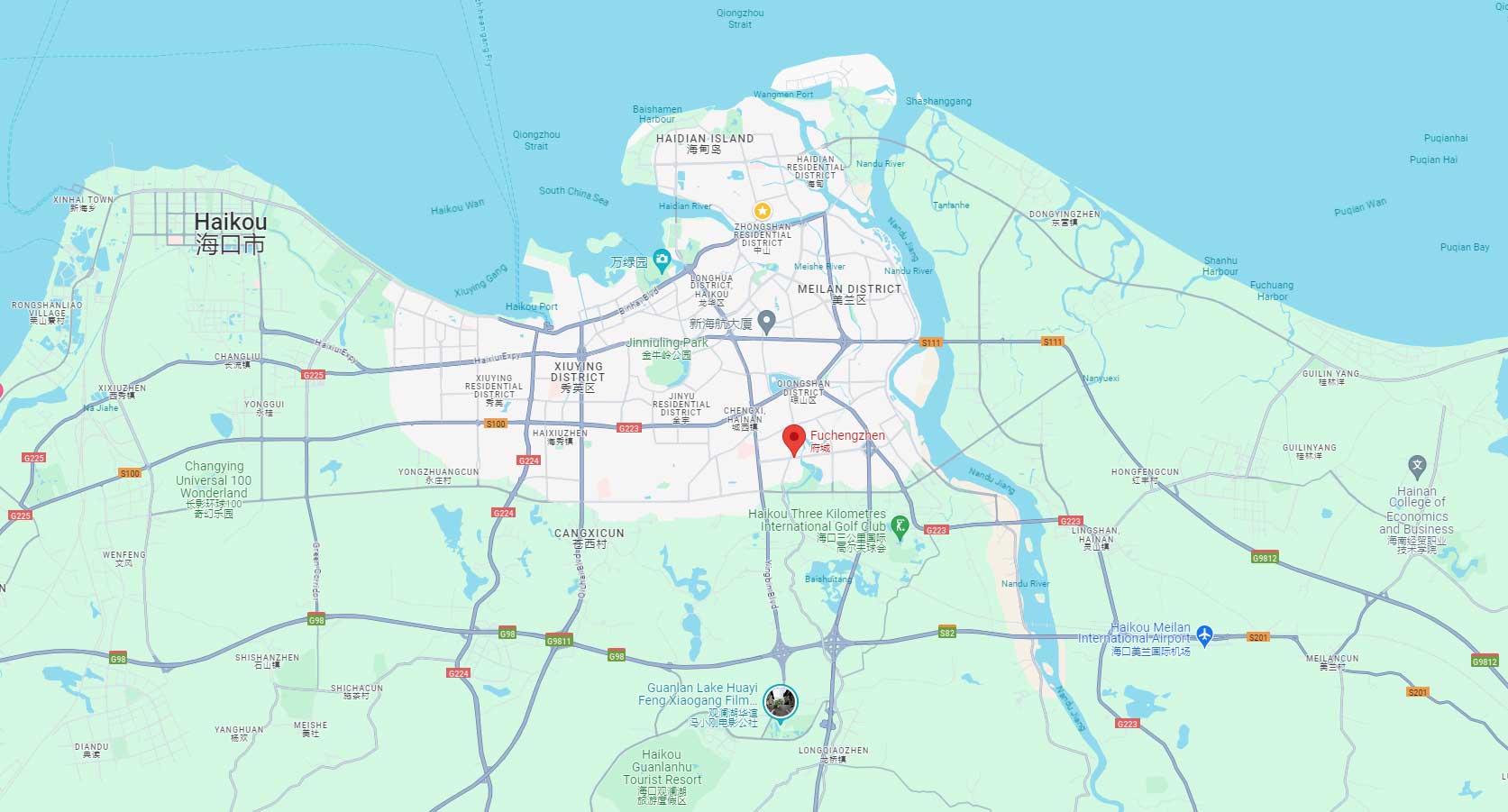
The oldest part of Haikou City, which was the first to undergo development, is Fucheng (府城). This area began its urban development during the Song (960-1279) and Yuan (1271-1368) dynasties.

Fucheng was chosen as the site for early development due to several strategic and geographical advantages:
Exploring Fucheng A Journey Through Time (6)

Strategic Location: Fucheng is located in a region that provided easy access to both the sea and inland areas. This made it an ideal spot for trade, transportation, and military defence. Its proximity to the Nandu River allowed for efficient transportation of goods and people.
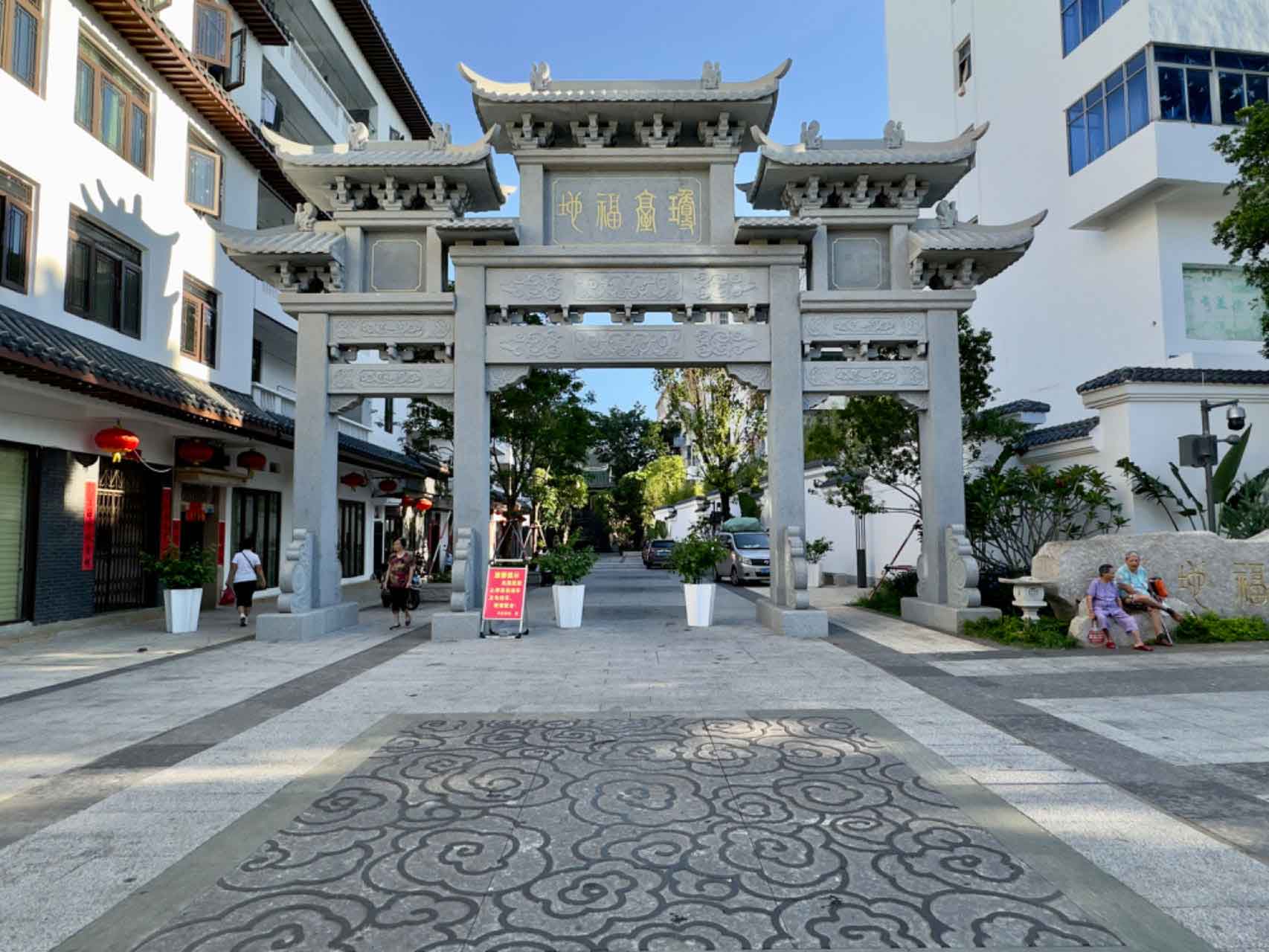
Exploring Qiongtai Fudi A Walk Through History

Administrative Importance: During the Song and Yuan dynasties, Fucheng was established as an administrative centre. Its development was driven by its role in governance and administration, making it a focal point for political and economic activities.

Natural Resources: The area around Fucheng was rich in natural resources, including fertile land for agriculture. This supported a stable food supply and contributed to the economic prosperity of the region.

Cultural and Historical Significance: Fucheng’s historical and cultural significance grew over time as it became home to many notable scholars, officials, and historical figures. This cultural heritage added to the region’s prominence and appeal.

Exploring Fucheng A Journey Through Time (7)

Defensive Benefits: The location’s natural terrain provided defensive advantages. The higher ground in the north and the construction of city walls and gates enhanced its security against potential invaders.
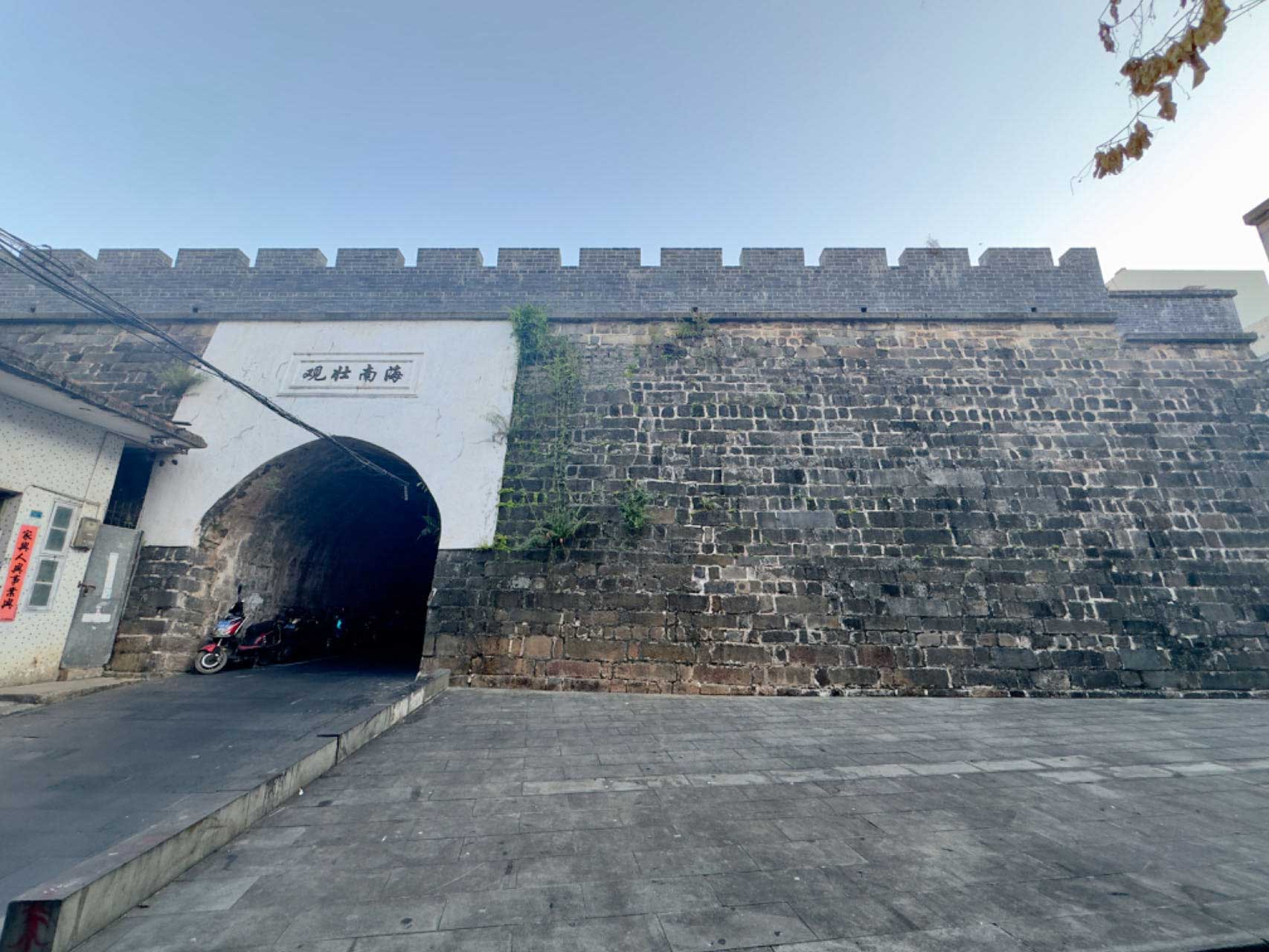
Exploring Fucheng: A Journey Through Time

These factors combined to make Fucheng the ideal location for early urban development, laying the foundation for what would eventually become Haikou City.

By the Ming (1368 to 1644) and Qing (1644 to 1912) dynasties, the city had undergone numerous expansions, establishing three main gates in the east, south, and west, and constructed an additional earthen wall to the west.
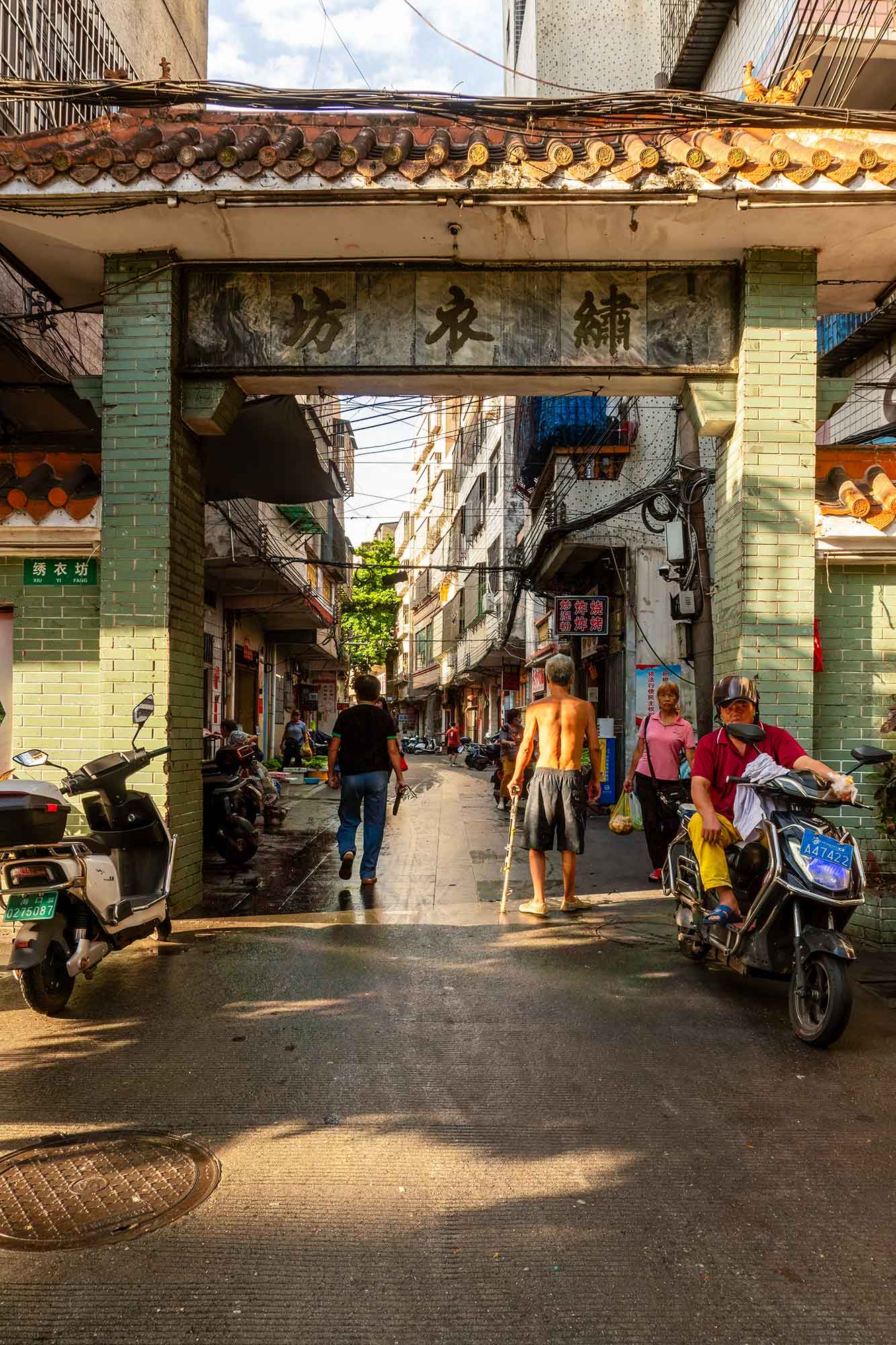
Exploring Haikou’s Embroidery Lane

Streets and lanes, primarily oriented east-west along WenZhuang and ZhongJie roads, with other lanes branching off in the south, gradually forming a network known as 七井八巷十三街 “Seven Wells, Eight Lanes and Thirteen Streets.”

The Legacy of Fucheng’s Streets and Alleys

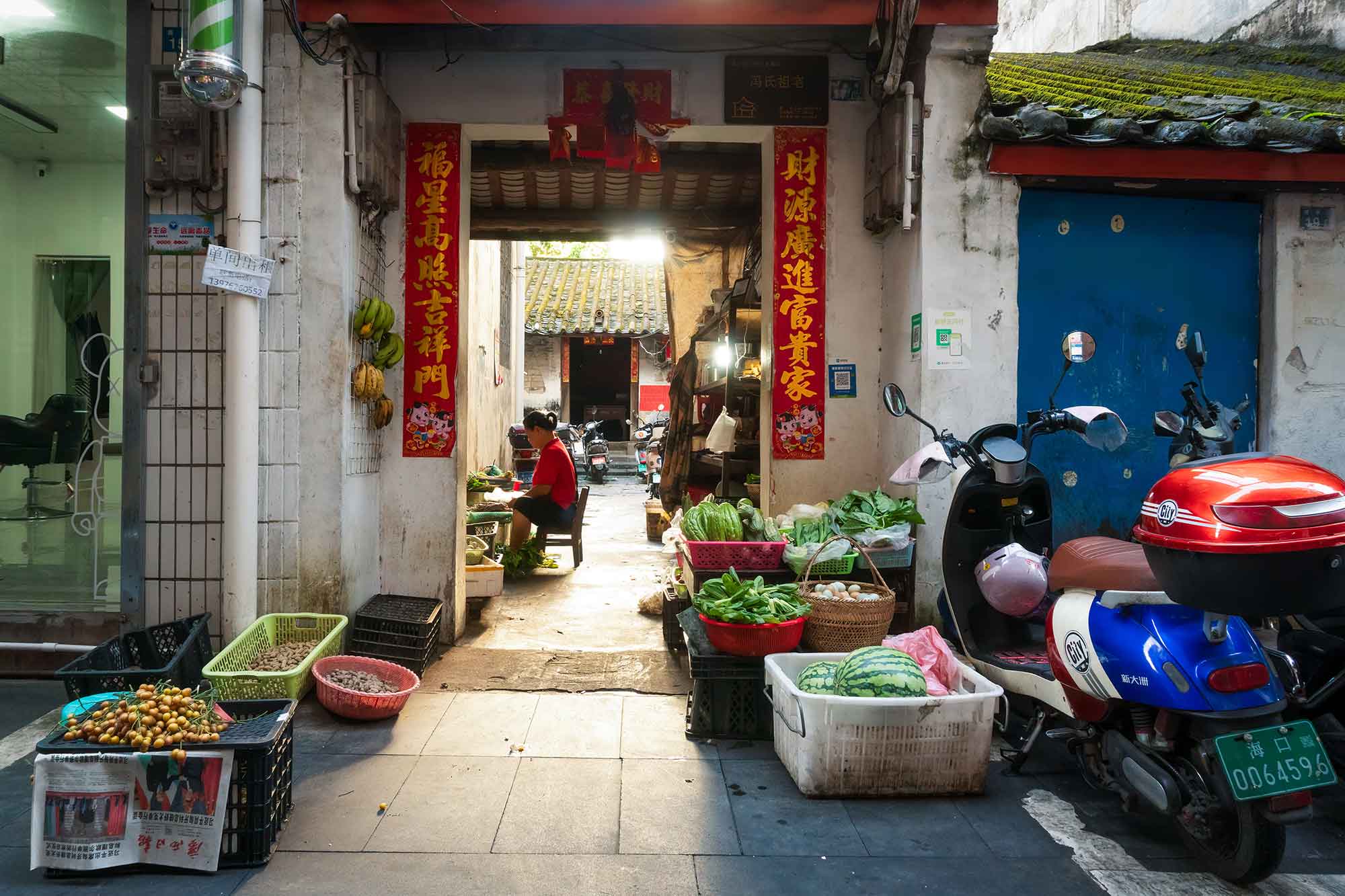
While the grandeur of Fucheng’s ancient cityscape is hard to imagine today, its streets and lanes still whisper tales of the past. Many of these lanes and alleyways gained fame from the notable figures who lived there.
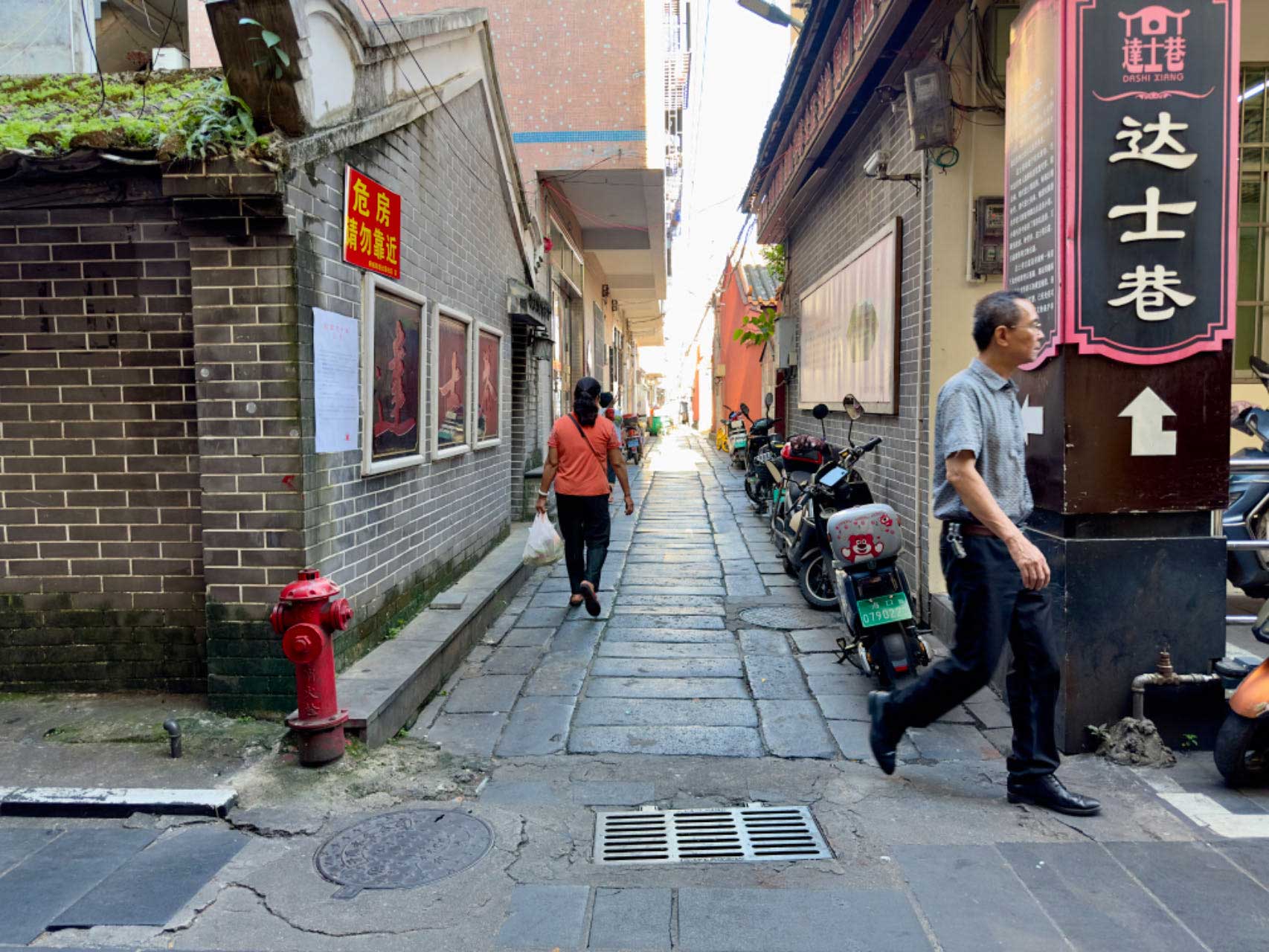
A Stroll Through Haikou's Dashi Lane A Journey into History

For instance, Dashi Lane, which was originally known as ‘Zheng Family Alley,’ was renamed to reflect its status as the home of many prominent figures, including Ming dynasty official Zheng Tinghu and the renowned scholar Zhong Fang.

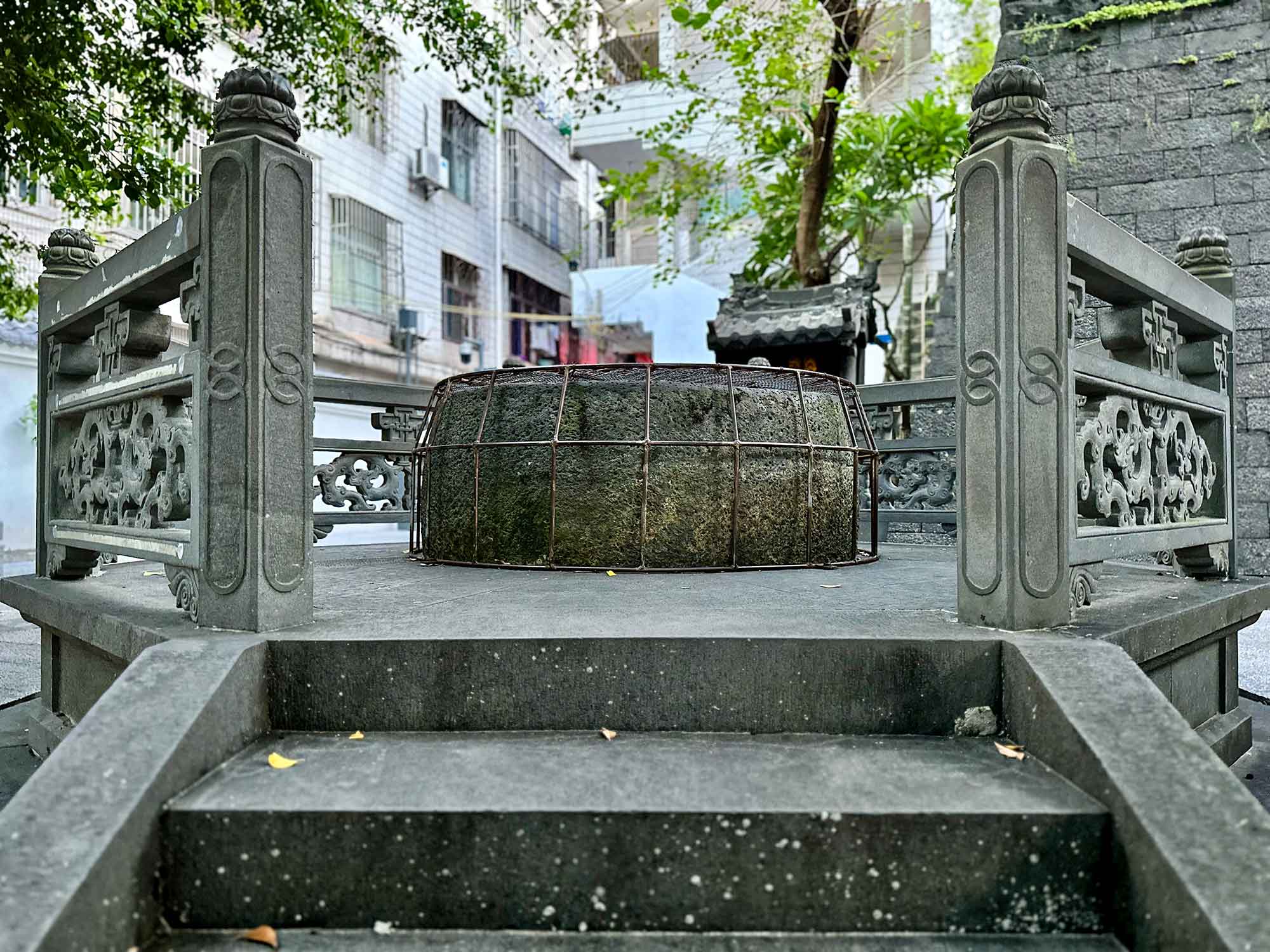
The term “Seven Wells” refers either to ancient wells dug for water or to the prosperous market areas that formed the city’s core.
Exploring Fucheng A Journey Through Time (2)
Exploring Haikou’s Embroidery Lane

Each of the eight lanes has unique characteristics: the shortest and narrowest is Egg Alley 蛋巷” (Dàn Xiàng), the steepest is Blacksmith (ironworkers) Lane 打铁巷 (Dǎ Tiě Xiàng), the most winding is Renhe lane 仁和巷 (Rén Hé Xiàng), and the most serene is Guandi Lane 关帝巷 (Guān Dì Xiàng).

Some alleys have more colorful names and histories, like “Smelly Alley” (臭屎巷 – Chòushǐ Xiàng). The alley was originally called 夏宅巷 (Xiàzhái Xiàng – Xiazhai Lane), meaning “Summer Residence Lane.”

It was renamed 少史巷 (Shǎoshǐ Xiàng) after a prominent family with an ancestor who held the government title of 少史 (Shàoshǐ) moved in. The pronunciation of 少史 (Shàoshǐ) in the local Hainan dialect is similar to a vulgar term for “feces,” leading locals to humorously call it 臭屎巷 (Chòushǐ Xiàng). This name reflects the local wit and linguistic influence on place names, rather than an actual bad smell.

Thirteen Historic Streets

The Thirteen Streets include Dongmen Street, Fuqian Street, Nanmen Street, Jingnan Street, Shangshu Street, Beidi Street, Zhentaiqian Street, Xianqian Street, Xianhou Street, Dingzi Street, Xueqian Street, Ma’an Street, and Beimen Street.

These streets, though varying in width and character, have retained their historical names through generations.

Preserving the Past
Exploring Haikou’s Embroidery Lane
A Stroll Through Haikou's Dashi Lane A Journey into History

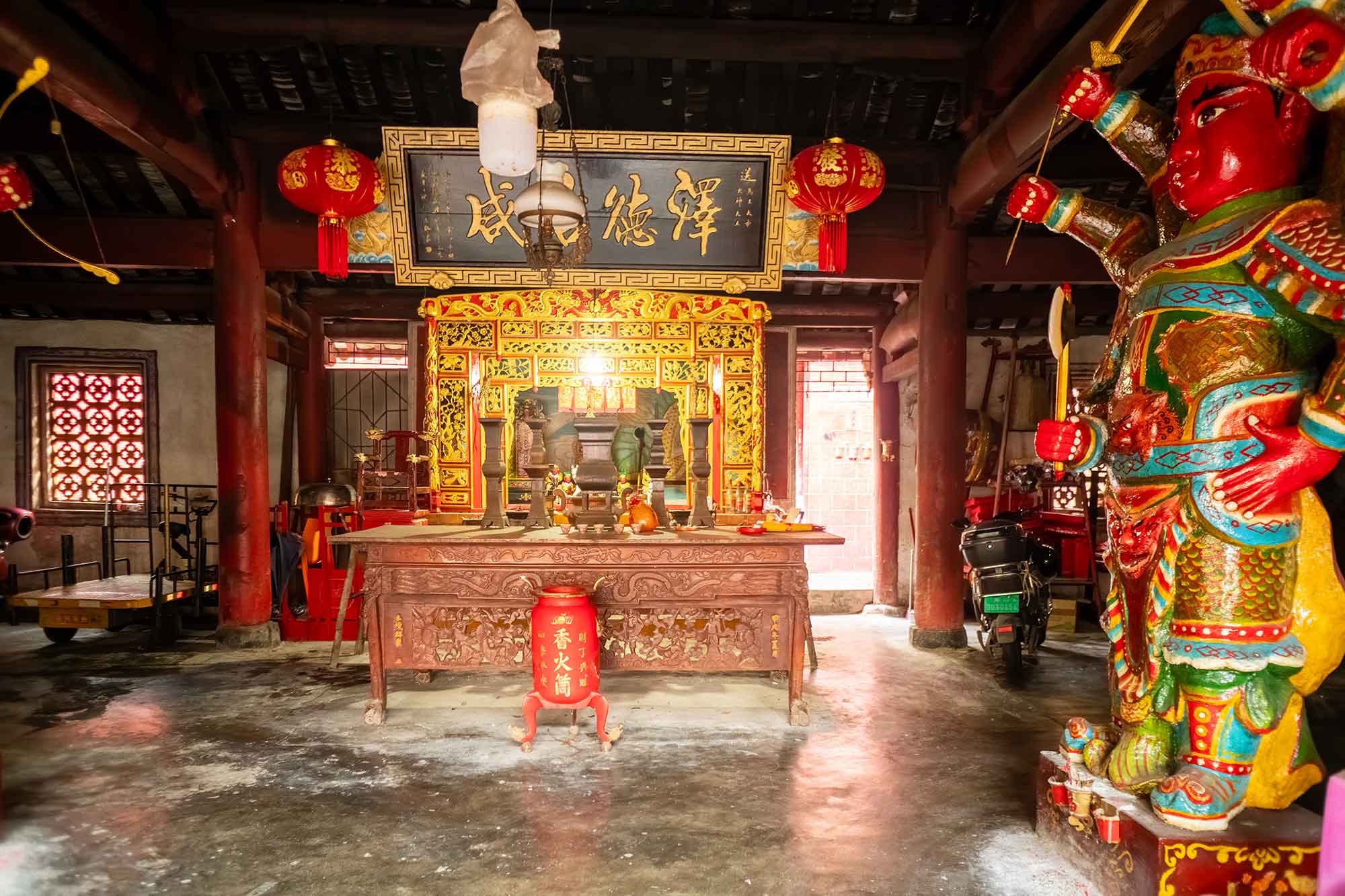
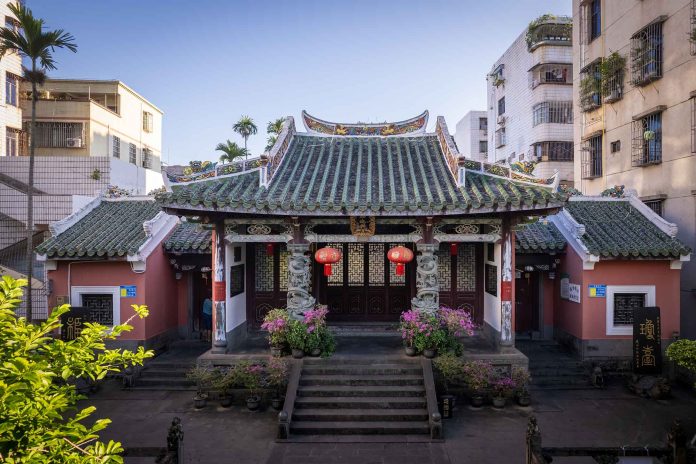
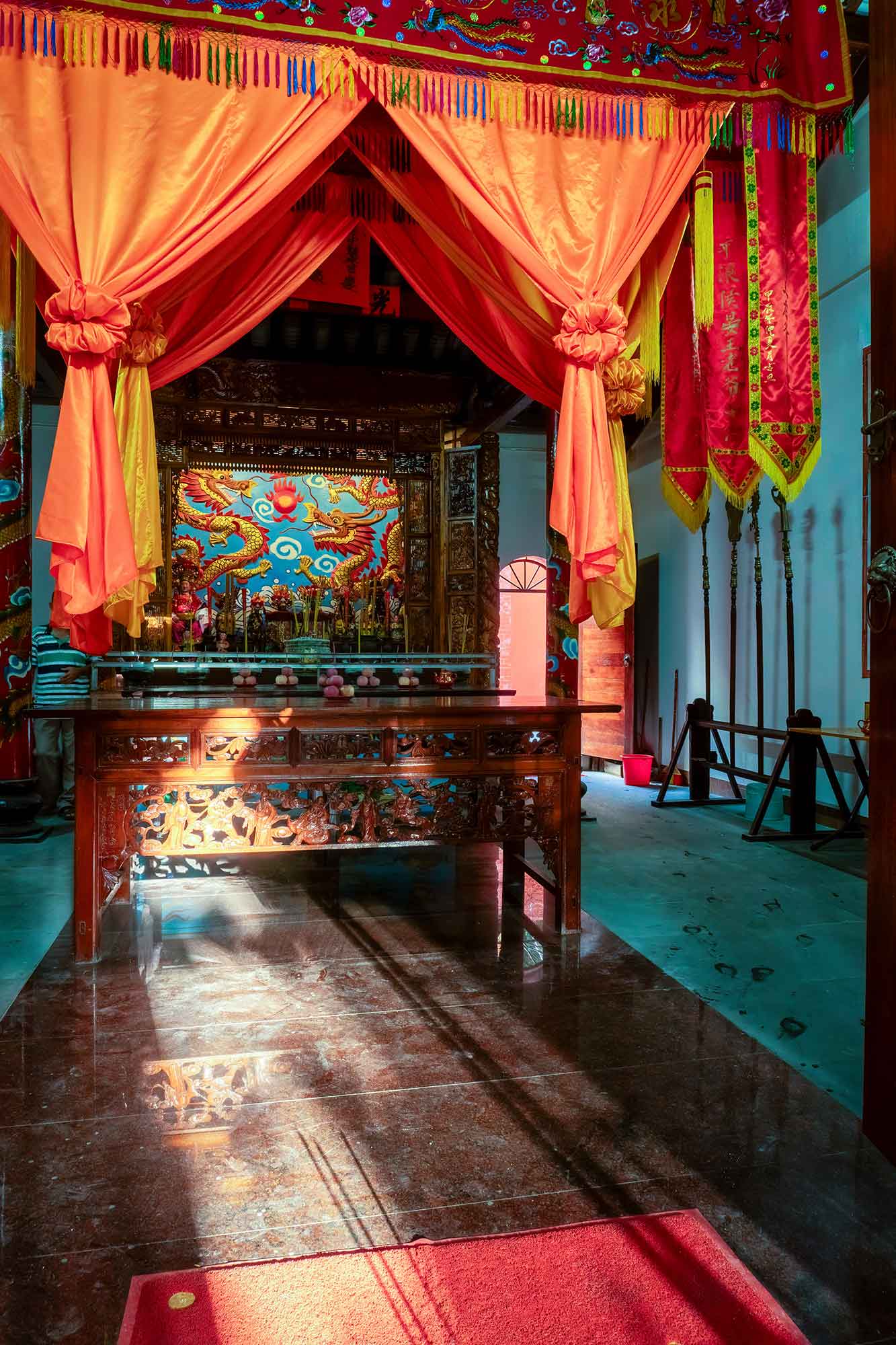
The layout of “Seven Wells, Eight Alleys and Thirteen Streets” captures the essence of Fucheng’s historical environment, preserving ancient buildings and authentic historical details. Walking through these old streets, one can still find Buddhist and Taoist temples, shrines honouring historical figures, and numerous other relics of the past.

Exploring Haikou’s Embroidery Lane

Although the ancient city walls are long gone, the deep historical roots of this thousand-year-old city silently permeate the lives of Fucheng’s residents. The street names and the stories behind them continue to remind visitors of the city’s illustrious history.

Fucheng’s “Seven Wells, Eight Alleys and Thirteen Streets” stand as testament to the city’s vibrant past, each corner offering a glimpse into the lives and stories that shaped this historic locale.

Exploring these streets is like stepping back in time, where every name and every stone carries the heritage of a bygone era.

Related article: Discover more from historical Haikou
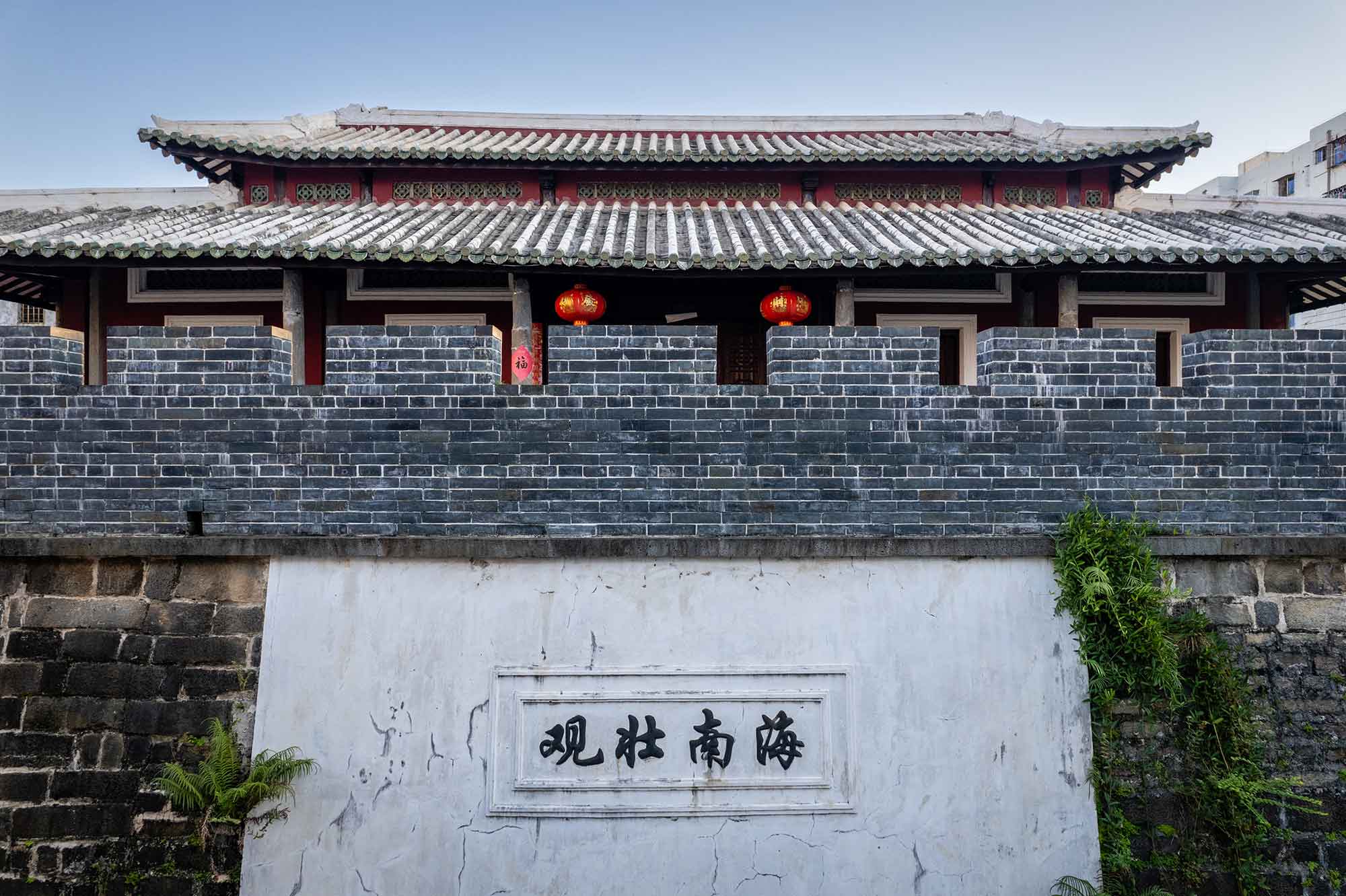
Discover the Ancient Drum Tower of Fucheng Haikou: A Historic Landmark
Nestled amidst the bustling streets of Fucheng lies a hidden gem of history—the ancient Drum Tower. This relic from the Northern Song Dynasty stands as a reminder of Fucheng’s storied past …
www.tropicalhainan.com

- Advertisement -

spot_img

Related articles:

China’s Green Card: What It Actually Takes, And How Rare It Is

China's foreign permanent residency permit, the "green card", has been issued to just over 10,000 foreign nationals since 2004. This guide explains the four eligibility routes, the real criteria, and your honest odds of qualifying …

Why Your Passport Doesn’t Work: A Foreigner’s Guide to China’s ID-Only Systems

Your passport is legally valid for trains, hotels, SIM cards and payment accounts in China. The problem isn't the rules, it's the systems built on top of them …

Supporting Foreign Entrepreneurs in Hainan’s Free Trade Port

From Slovakian mineral water to African trade facilitation, how a Haikou support centre is helping foreign nationals start businesses in Hainan's Free Trade Port ...

China’s 2026 Work Permit Salary Rules: Who Actually Needs to Worry?

China’s work permit salary thresholds have raised concerns among foreign professionals. This explainer clarifies the 6× and 4× rules, why the figures appear high, and who is actually affected ...

Get weekly email updates for new articles published!

Follow Us on WeChat

spot_img

- Advertisement -

Latest News ...

Cosy Stays Beyond the Ordinary

Relax, Unwind, and Explore Hainan's Hidden Gems

Puerto Libre Tapas: A Taste of Latin and Mediterranean Cuisine

Located in Xiuying District, Haikou, Puerto Libre Tapas brings together Latin and Mediterranean flavors in a relaxed and inviting setting. The warm decor blends Mediterranean charm with Latin energy, making it a great spot for a casual meal or special night out ...

The Paddy Shack: A Taste of Comfort in Chengmai

Tucked away in the quiet streets of Laocheng Town, Chengmai, just outside Haikou, The Paddy Shack is a welcoming spot for anyone craving hearty...

Batumi: A Taste of Georgia in Haikou

Haikou's dining scene just got a flavorful upgrade with Batumi Georgian Food and Wine. If you're looking to try something new, this is the...
spot_img

Bored? Need to get out more?

Work and Residence Permit Mistakes Foreign Professionals in China Make in 2026

A practical explainer on the most common work and residence permit mistakes foreign professionals in China still make in 2026, and how employers and employees can reduce compliance risks …

Foreigners in Hainan Can Now Buy Imported Goods Tax-Free — Here’s How

Foreign residents in Hainan can now buy specified imported goods at zero tariff. This guide explains who qualifies, where to shop, purchase limits, and key compliance rules ...

Leaving China: The Exit Checklist Nobody Gives You

A practical guide for foreign teachers and professionals on how to leave China properly, covering work permits, residence permits, banking, social insurance, and records you may need years later …

Freelancing, Side Work, and Remote Jobs in China: What’s Legal — and What Isn’t

Can foreigners freelance or do side work in China? What the law actually says, how enforcement typically happens, and where legal risk begins ...
spot_img

Looking for an international pre-school in Haikou?

Flora's International Preschool has three preschools in the Haikou area. Our schools follow a European curriculum

Continue Reading ...

Program Announced for the 2026 Haikou New Year’s Concert

The 2026 Haikou New Year’s Concert brings two nights of symphonic and vocal music. View the full program, performers, and ticket discounts ...

Wanning Hosts Its First Major Surf Event Since 2020 as WSL Returns to Hainan

The WSL Qualifying Series returns to Riyue Bay, Wanning, from December 11–17, bringing more than 160 surfers from over ten countries back to Hainan’s coast …

ADEX Asia Diving Expo will be held in Hainan next year

The renowned dive-industry exhibition Asia Dive Expo (ADEX) is set to land in Hainan from October 30 to November 1, 2026, at the Hainan International Convention & Exhibition Center ...

Get weekly email updates for new articles published!

Never miss another important notice or event. Be informed of what you need to know, when you need to know it.