For many expats living and working in China, artificial intelligence still feels oddly out of reach. Tools such as ChatGPT, Claude, and Perplexity are widely discussed internationally, but they are not easily accessible inside mainland China.
What is less widely known is that China has built a large domestic AI ecosystem of its own. Major technology companies and specialised startups now offer tools for writing, translation, research, image creation, video generation, and office productivity. Many are inexpensive, widely used, and available without a VPN.
For professionals working in China, the challenge is no longer access. It is knowing which tools exist, what they are good at, and where to begin.
This guide provides a practical overview of the main Chinese AI tools available in 2026 and how they can be used for everyday work.
What Has Changed
Scale and Competition
China now has more than a dozen significant foundation-model providers. Major technology companies and specialised AI startups compete aggressively on performance and price.
Multimodal Capability
Leading platforms increasingly support combinations of text, image, video, and audio within unified systems.
Enterprise Support
Alibaba Cloud, Baidu, Tencent, and ByteDance all provide structured enterprise access, including APIs, administrative controls, and data localisation within mainland China.
A Practical Decision Framework
For most users, AI tools fall into six practical categories:
- General writing and drafting
- Research and long-document analysis
- Coding and technical work
- Image generation
- Video generation
- Audio transcription and speech tools
Enterprise APIs typically span all of these areas.
1. General Writing and Drafting
For email drafting, bilingual rewriting, and everyday business communication, several Chinese AI assistants work well.

Alibaba Qwen (通义千问)
AI assistant for writing, translation, coding, and research.
Public assistant: https://tongyi.aliyun.com
The public Qwen assistant works similarly to ChatGPT. It can help with writing emails, translating text, brainstorming ideas, and summarising documents.
Enterprise Platform (Bailian 百炼)
Alibaba Cloud’s developer and enterprise platform provides API access, custom AI applications, workflow automation, and integration with company systems.
ByteDance Doubao (豆包)

Web/App: https://www.doubao.com
Doubao is one of the most widely used consumer AI assistants in China. It is developed by ByteDance, the company behind TikTok and Douyin.
The tool works much like other AI chat assistants. Users can draft emails, translate text, summarise documents, brainstorm ideas, or ask general questions. It also supports image understanding and basic coding assistance.
For many users in China, Doubao is one of the easiest AI tools to start with because the interface is simple and responses are strong in both Chinese and English.
Enterprise API (Volcano Engine Ark)
Web/App: https://www.volcengine.com
(On Volcano Engine, look for the Ark / 模型服务 / 大模型 related sections after login.)
Volcano Engine is ByteDance’s cloud platform. Businesses and developers can access Doubao’s underlying AI models through APIs to build AI-powered tools, automate workflows, or integrate AI features into websites and internal systems.
DeepSeek

Web: https://chat.deepseek.com
DeepSeek is one of the most widely discussed AI models in China and internationally. It is particularly strong at tasks requiring logical reasoning, structured analysis, and technical problem-solving.
It performs well when analysing documents, explaining complex topics, writing structured reports, or assisting with coding. Many developers and analysts use DeepSeek because it handles technical questions reliably.
DeepSeek supports file reading (including document uploads) through its web interface.
Platform: https://platform.deepseek.com
The platform allows developers and companies to integrate DeepSeek into software, websites, or internal systems.
API documentation: https://api-docs.deepseek.com
Zhipu AI (GLM / BigModel)
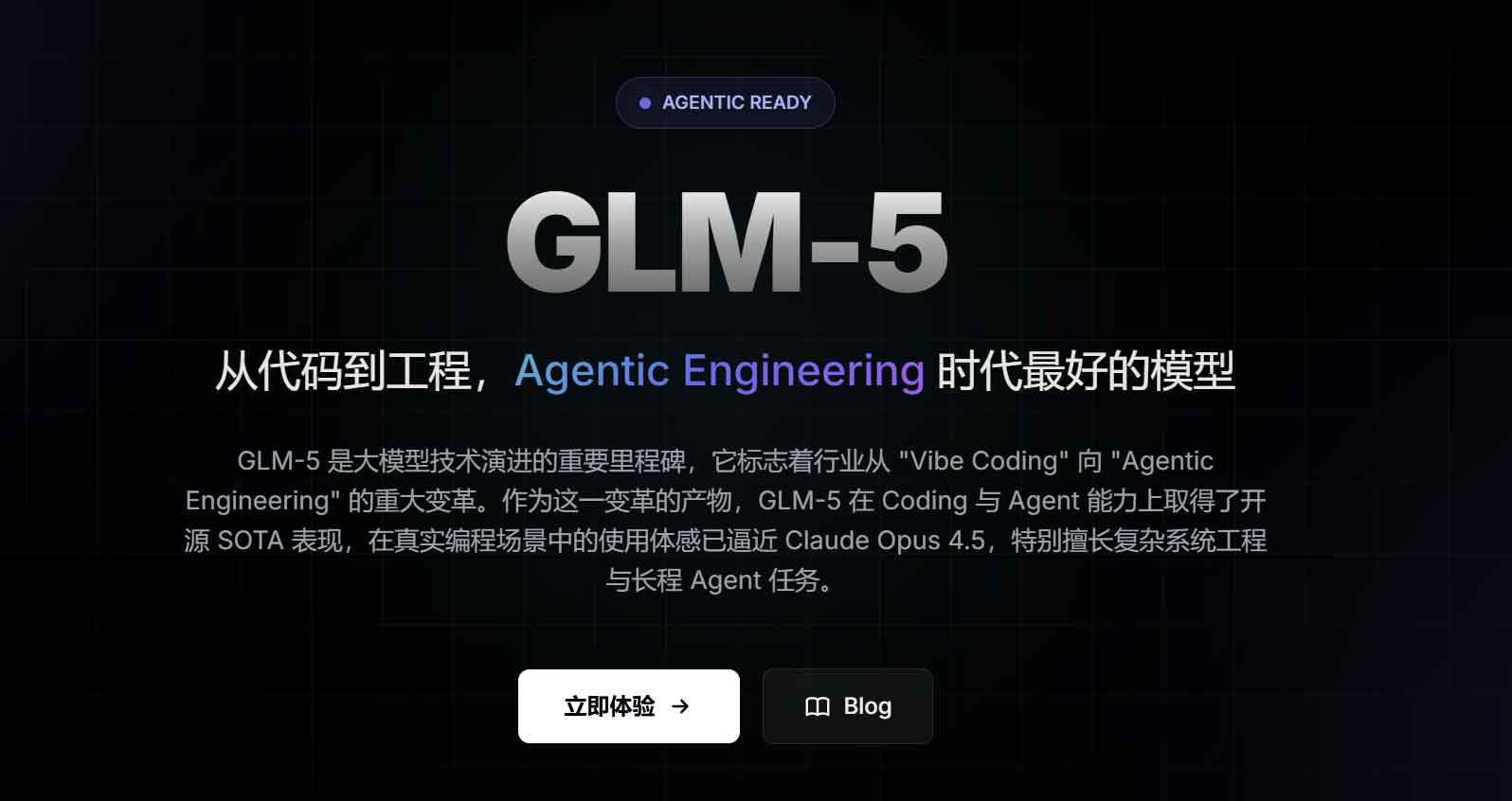
Web: https://chatglm.cn
ChatGLM is Zhipu AI’s public assistant. It supports writing, translation, document summaries, coding assistance, and research tasks.
Zhipu AI originated from research at Tsinghua University and has become one of China’s leading foundation-model companies. Its GLM models are widely used in government projects, universities, and enterprise systems.
Enterprise/API Platform
BigModel provides API access to the GLM model family so companies can build AI applications or integrate AI capabilities into internal systems.
For most non-technical users, tools such as Qwen or Doubao are simpler starting points.
2. Research and Long Documents
Research-focused AI tools are designed to read long documents, analyse multiple sources, and organise information into structured answers.
For professionals working with reports, policy documents, academic papers, or lengthy PDFs, these tools can be significantly more useful than standard chat assistants.
Moonshot AI Kimi
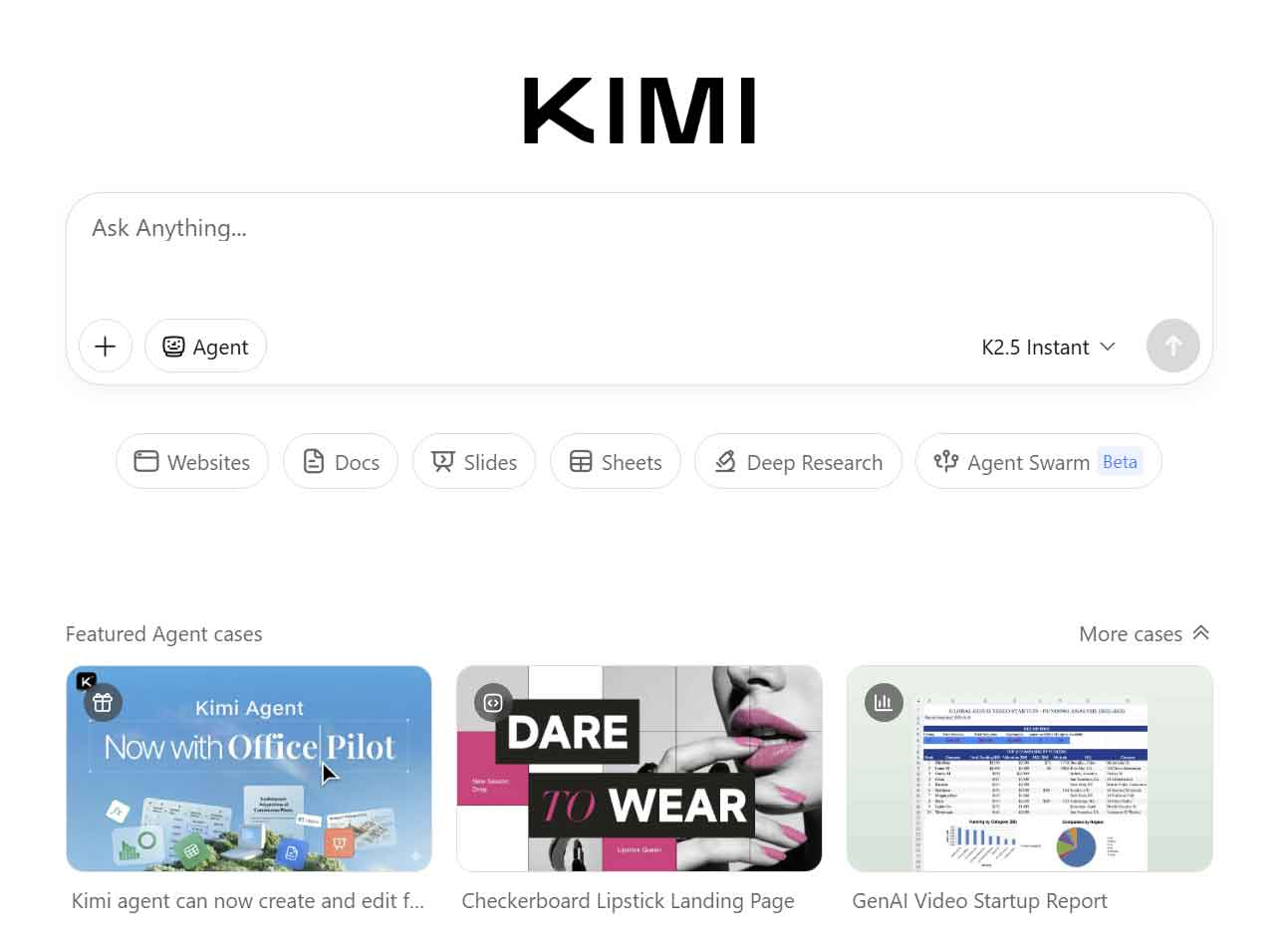
Web: https://www.kimi.com
Kimi is one of China’s best-known AI tools for analysing long documents. It can process large reports, research papers, contracts, or policy documents.
Users often upload long PDFs and ask detailed questions about the content. The system can summarise documents, extract key points, and organise complex information into clear explanations.
Because of its long-context capability, Kimi is particularly popular with researchers and analysts.
Alibaba Bailian Deep Research
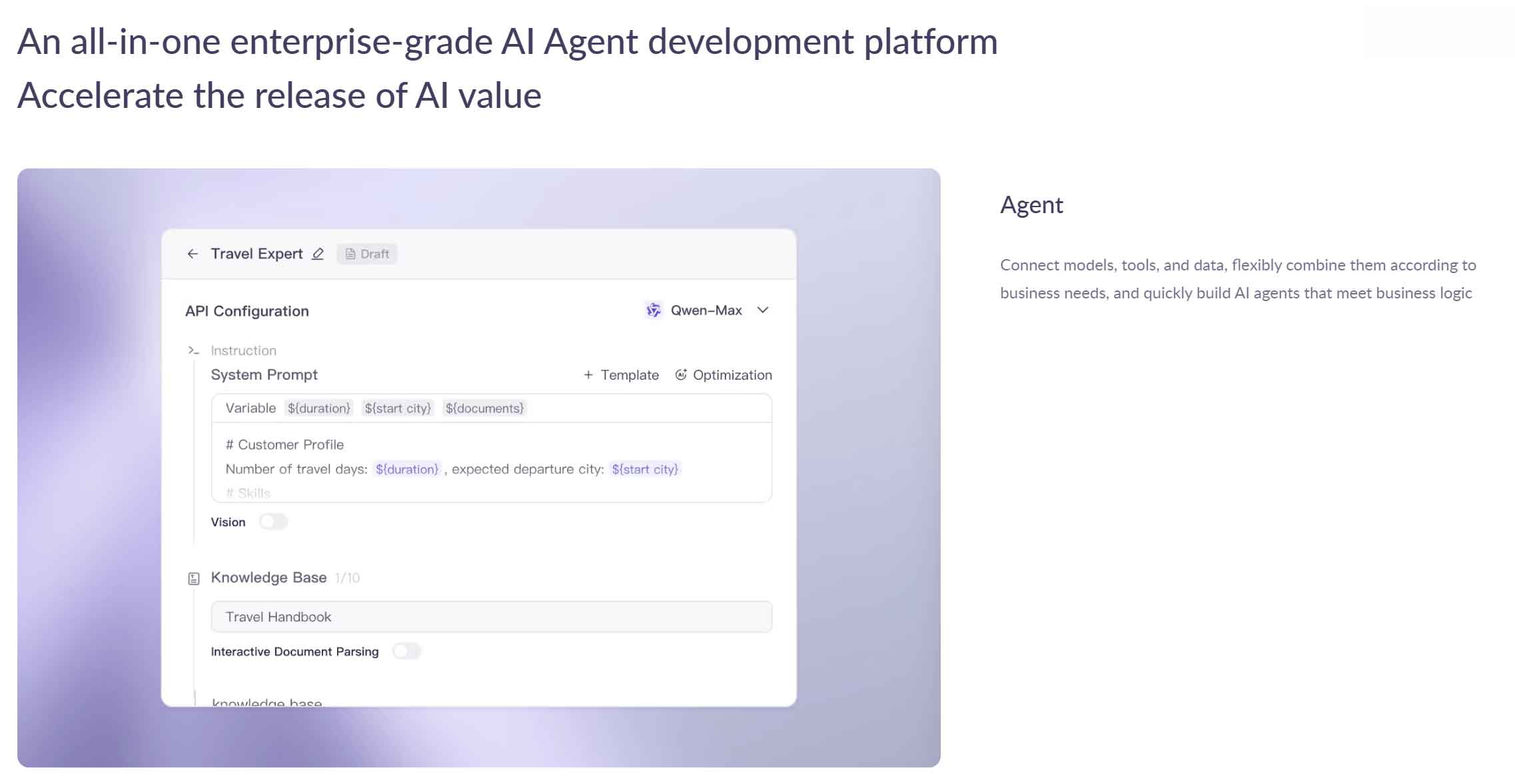
Enterprise Platform: https://bailian.aliyun.com
Alibaba Bailian also provides specialised research-oriented models designed for deeper document analysis and structured information retrieval.
These tools are typically used through APIs by companies building internal research systems, knowledge bases, or document-analysis workflows.
3. Coding and Technical Work
For developers, the key factor is how easily AI models integrate into software, applications, or internal systems.
Several Chinese AI providers offer APIs that allow developers to connect models directly to websites, apps, and enterprise infrastructure.
DeepSeek
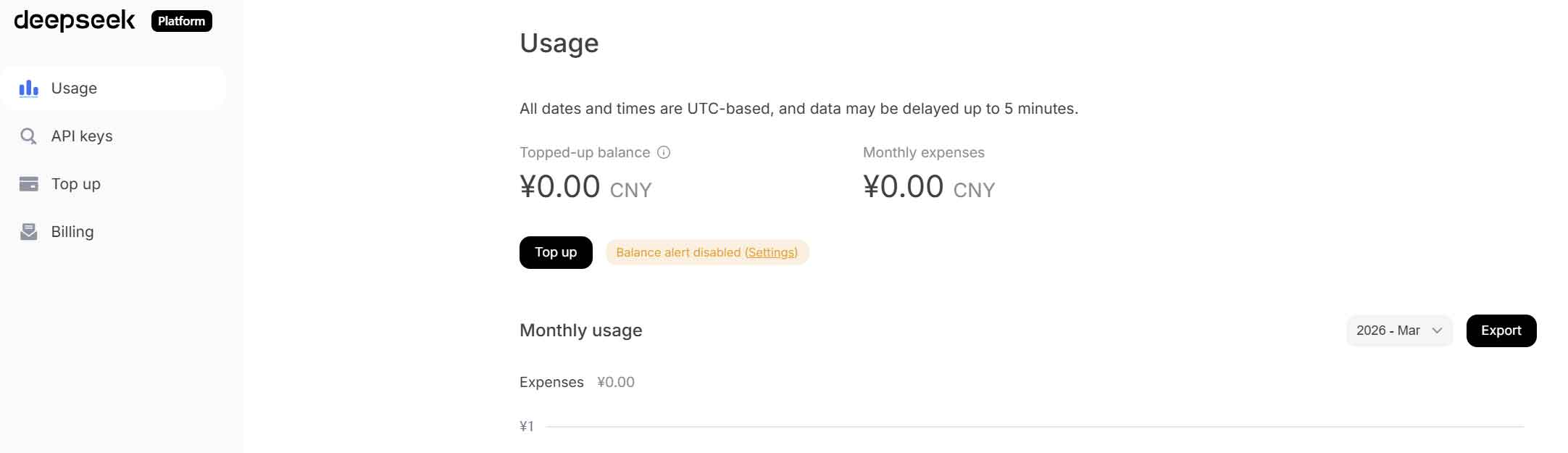
Chat interface: https://chat.deepseek.com
Developer platform: https://platform.deepseek.com
DeepSeek is widely used by developers because it performs well on programming tasks, structured reasoning, and technical questions.
Alibaba Qwen-Coder
Platform: https://bailian.aliyun.com
Alibaba’s Bailian platform provides specialised Qwen coding models that assist with code generation, debugging, documentation, and automation.
Zhipu GLM Coding Models
Platform: https://open.bigmodel.cn
Zhipu AI also offers coding-focused models through its BigModel platform.
Most Chinese AI APIs follow formats similar to the OpenAI API, allowing developers to adapt existing integrations with minimal changes.
For organisations deploying AI internally, practical issues such as logging, rate limits, security controls, and reliability often matter more than small benchmark differences between models.
4. Image Generation
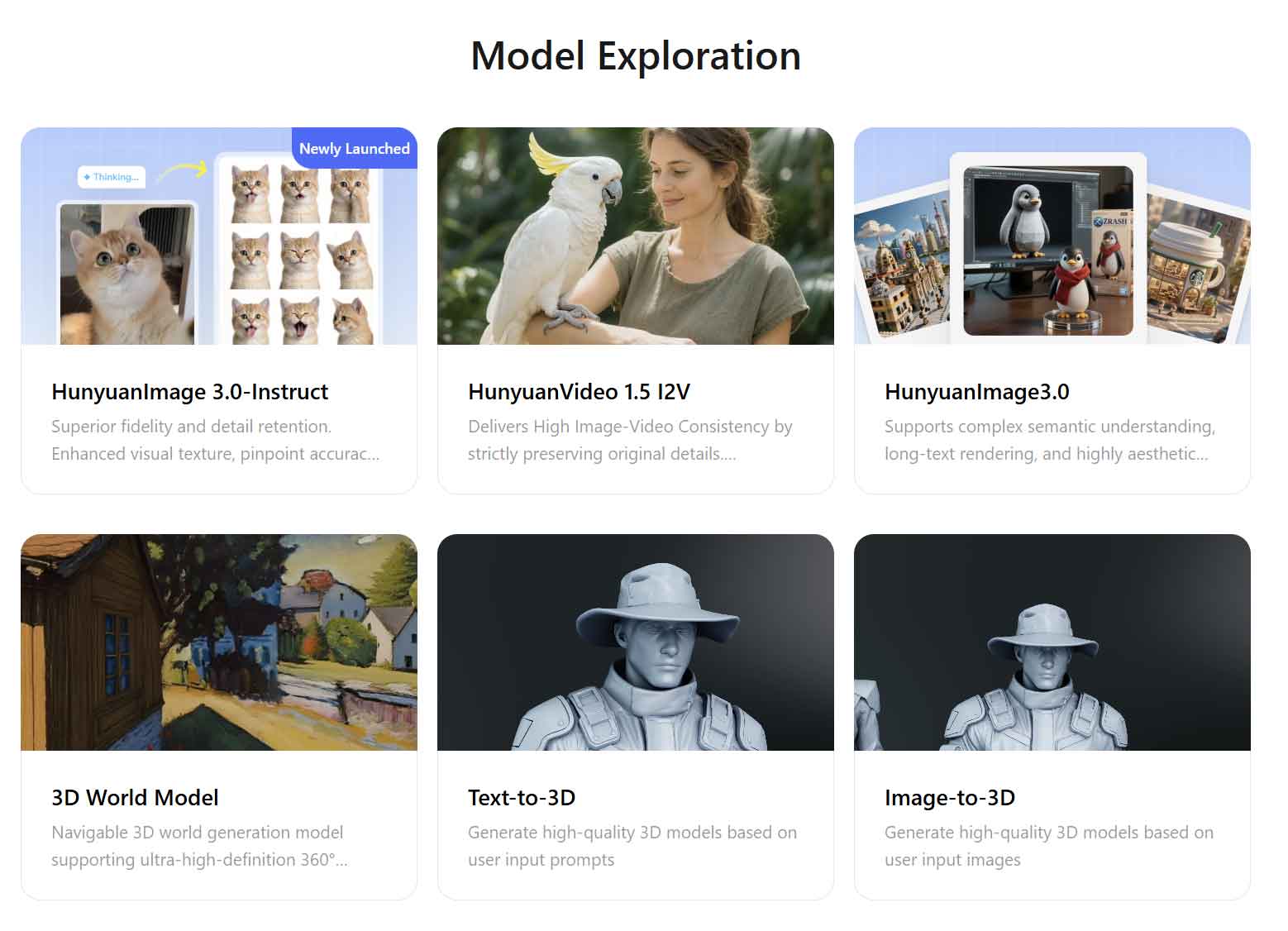
China’s image-generation tools are already widely used in marketing and design workflows.
Examples include:
Tencent Hunyuan Image: https://hunyuan.tencent.com
Alibaba Wan / Qwen-Image: https://bailian.aliyun.com
ByteDance Seedream: https://www.volcengine.com
For businesses running WeChat campaigns or digital marketing projects, image generation can provide immediate productivity gains.
Manual review remains essential before publication.
5. Video Generation

Video generation has quickly moved from novelty to commercial tool.
Kling (Kuaishou)
Web: https://klingai.com
Kling supports short-form AI video generation suitable for marketing and promotional content.
MiniMax Hailuo
Company: https://www.minimax.io
Hailuo is another growing platform used for short-form AI video content.
ByteDance Seedance
API via Volcano Engine: https://www.volcengine.com
Video generation is significantly more expensive than text generation, so budget control is important.
6. Audio and Transcription
Speech-to-text tools can significantly reduce administrative workload.
iFlytek Spark (讯飞星火)
Web/API: https://xinghuo.xfyun.cn
Baidu ERNIE / Qianfan
ERNIE Bot: https://yiyan.baidu.com
Enterprise Platform: https://cloud.baidu.com/product/qianfan
Alibaba Tongyi / Qwen-Omni
Platform: https://tongyi.aliyun.com
These tools are particularly effective for Mandarin meeting transcription and internal documentation.
Enterprise Layer: Cloud Platforms
Companies integrating AI into internal systems usually start with one of the major cloud providers:
Alibaba Cloud Bailian: https://bailian.aliyun.com
Baidu Qianfan: https://cloud.baidu.com/product/qianfan
Tencent Cloud Hunyuan: https://hunyuan.tencent.com
Volcano Engine (ByteDance): https://www.volcengine.com
These platforms provide API management, usage tracking, administrative controls, and domestic data localisation options.
China’s AI ecosystem in 2026 is defined by scale, intense competition, and rapid integration into the country’s digital infrastructure.
For expats and managers operating inside mainland China, the constraint is no longer access. It is choosing which tools to use.
The landscape is evolving quickly, so this is a space worth watching.
Related article: Using Chinese Apps? China Signals Stronger Protection for Your Personal Data