
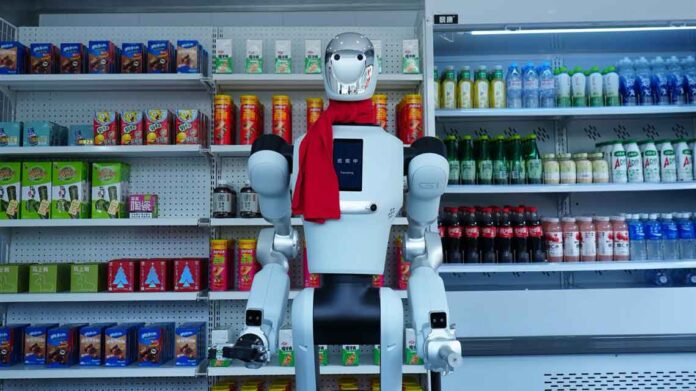
A fully autonomous, robot-operated convenience store has opened in Shanghai, offering a glimpse of how embodied artificial intelligence may reshape small-scale retail in China’s major cities.
Humanoid robot “little Gal”
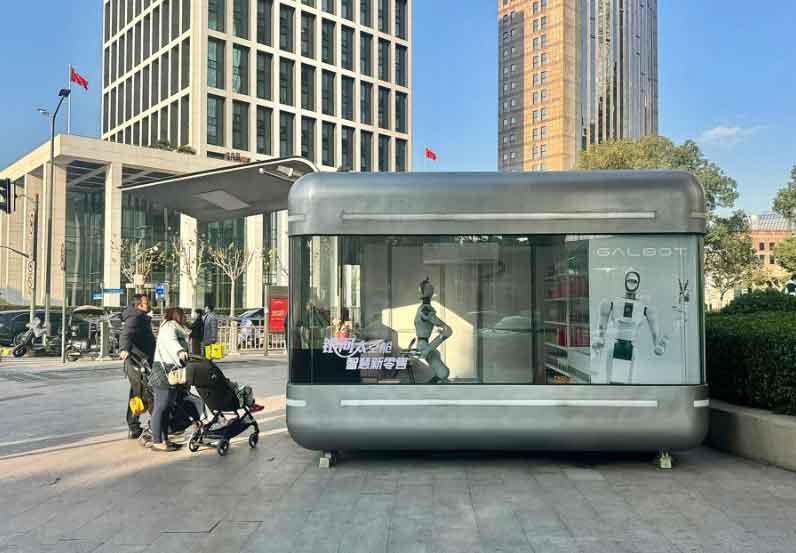
The store, branded Galbot Shop, is a silver, capsule-shaped kiosk located near Super Brand Mall in Lujiazui, Shanghai’s Pudong New Area. Covering just 9 square meters, it is run entirely by a single humanoid robot nicknamed “little Gal,” with no human staff on site during normal operations.
Developed by Beijing-based robotics startup Galbot, the store is promoted as a fully autonomous retail unit powered by embodied AI, meaning the robot combines perception, reasoning, and physical manipulation in a real-world environment rather than relying solely on cameras or backend automation.
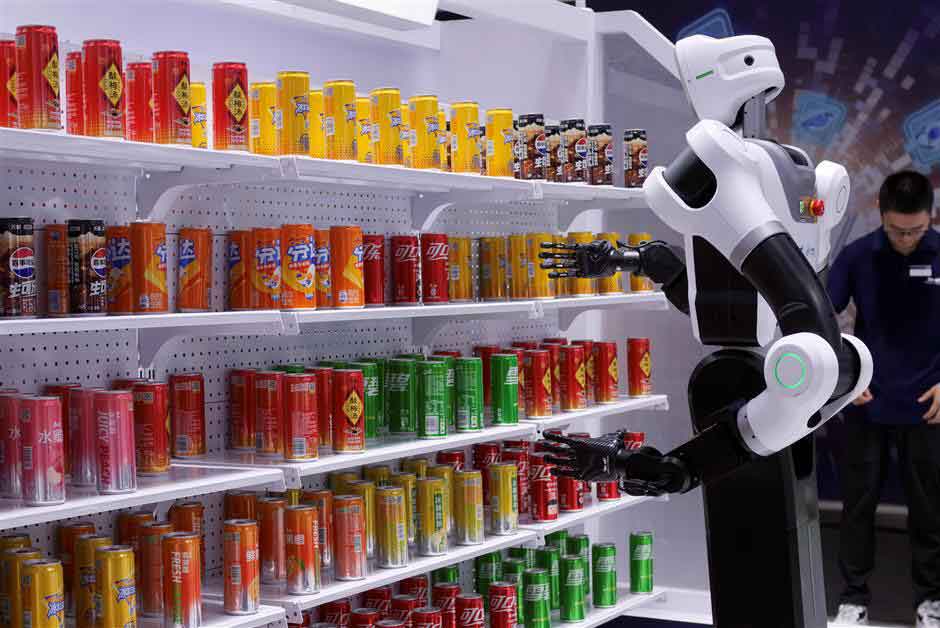
Inside the compact cabin, the 1.73-meter-tall robot handles the complete shopping process. It greets customers, responds to spoken requests, recommends products, processes payment, and physically retrieves items from densely packed shelves.
Galbot Shop stocks more than 300 items
When a customer asks, for example, “Little Gal, I’d like a bottle of cola,” the robot confirms the order, grasps the correct product, and places it on the counter, often adding brief conversational phrases along the way.
Despite its small footprint, the Galbot Shop stocks more than 300 items. These include beverages, snacks, cultural and creative products, and basic over-the-counter medicines, with refrigerated and frozen storage integrated into the capsule design.
According to information released by the operator and reported by Shanghai-based media, the store is designed for 24-hour unattended operation. It supports autonomous charging and is connected to a remote control center for monitoring, dispatch, and exception handling, such as restocking coordination or safety issues. Routine customer interactions and sales are intended to run without human intervention.
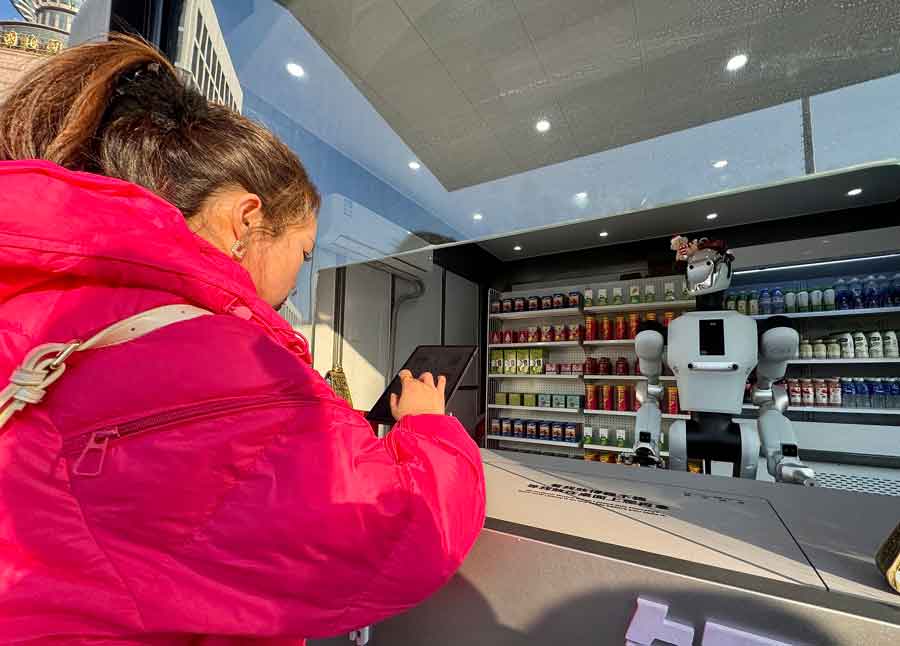
Galbot claims the Shanghai unit can accommodate up to about 2,000 visitors per day and process roughly 500 orders daily. In high-traffic commercial areas, the company estimates the presence of such capsule stores could increase surrounding foot traffic by 30 to 40 percent, though these figures remain company projections rather than independently verified data.
Chinese-language reports add that the robot relies on Galbot’s proprietary “embodied large models,” designed to help it recognize diverse packaging, understand shelf layouts, and perform reliable retrieval in crowded, non-industrial settings. This addresses one of the key technical challenges in deploying humanoid robots outside factories and laboratories.
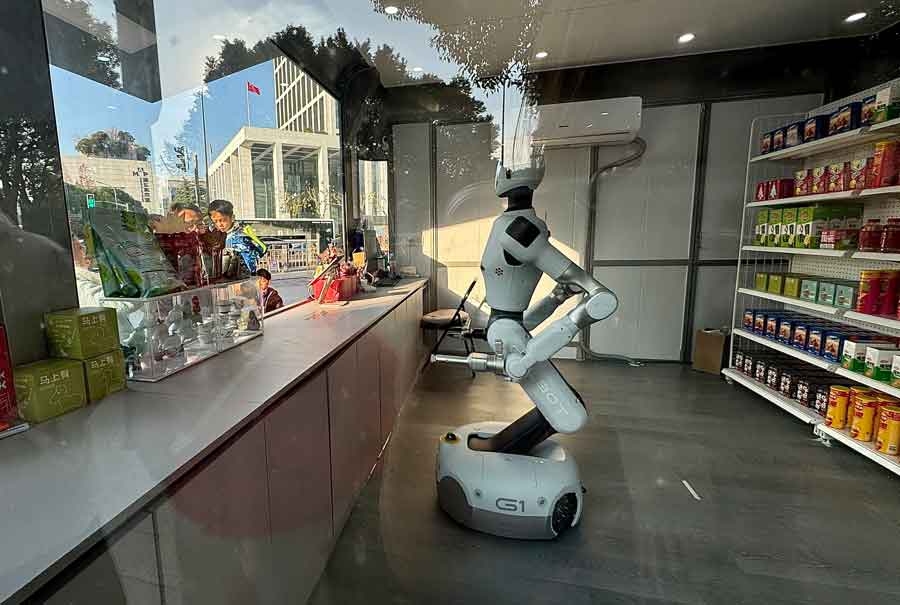
The Lujiazui store is part of Galbot’s broader rollout strategy. Similar humanoid-operated kiosks have previously appeared in Beijing, and the company has publicly stated plans to expand to dozens, and eventually more than 100, locations across multiple Chinese cities. Target sites include shopping malls, transport hubs, and office districts where space is limited and labor costs are high.
Beyond its commercial role, the Galbot Shop has also become a novelty attraction in Shanghai’s financial district, drawing passersby curious to see a humanoid robot handle a complete, customer-facing retail job. For China’s technology sector, it represents one of the more tangible deployments of embodied AI in everyday urban life, moving beyond demonstrations to sustained, real-world operation.
Related article: Shanghai to implement new drone regulations