

For many foreign teachers, working overseas is a long-term decision rather than a short assignment. Some spend five, ten, or even twenty years teaching abroad, often moving between countries or contracts.
What rarely receives enough attention is how this affects long-term financial security, especially pensions.
Most national pension systems are designed around stable, long-term participation within a single country. When someone works abroad for extended periods, especially if they are not contributing to a home-country pension and are unsure whether they are enrolled in a host-country system, gaps can quietly form.
These gaps are rarely noticeable in the short term. But over time, they can significantly affect retirement eligibility, benefit levels, or access to state-supported pensions later in life.
This article looks at why foreign teachers are in a uniquely exposed position when it comes to pensions, what has changed in recent years, and why this issue now deserves more attention than it usually receives.
How Public Pension Systems Actually Work
(In simple terms)
Most public pension systems operate on a contribution-based model.
While details vary by country, the core principles are broadly similar:
- Workers pay into the system while employed
- Contributions are usually mandatory
- Benefits later depend on:
- Years of contribution
- Amount paid in
- Minimum eligibility thresholds
- Retirement age
In most countries, pensions are not savings accounts in the traditional sense. Instead, they operate as pay-as-you-go systems, where current workers fund current retirees.
This creates two basic requirements:
- Continuous or long-term participation
- A minimum number of contribution years
If someone spends long periods working outside the system, those years often do not count toward pension eligibility unless a bilateral agreement exists.
This is where many foreign teachers unknowingly fall into a gap.
Why Foreign Teachers Are in a Difficult Position
Foreign teachers often sit outside the assumptions that national pension systems are built around.
Common situations include:
- Working abroad for several years without contributing to a home-country pension
- Teaching in countries where foreigners are not enrolled in state pension systems
- Moving between countries with no social security agreements
- Assuming pension contributions can be “caught up later”
In China specifically:
- By law, lawfully employed foreigners are generally required to participate in China’s social insurance system unless an applicable bilateral agreement provides an exemption; in practice, implementation and enforcement have varied by locality and employer.
- Foreigners who are enrolled in the employee pension scheme may qualify for benefits if they meet the statutory contribution and retirement-age requirements, but those benefits are generally not “transferable” into a home-country public pension unless a bilateral social security agreement provides a mechanism.
- If a foreigner leaves China before meeting pension benefit conditions, some localities allow a lump-sum withdrawal of the individual account balance; employer contributions paid into the pooled fund are generally not refundable.
- Years worked in China do not automatically count toward home-country pension eligibility unless a bilateral social security agreement allows aggregation/totalisation.
None of this is illegal or unusual. But it does mean that time spent working legally and paying tax can still result in pension gaps.
Why This Matters More Now
This issue matters more today than it did 20 years ago because of demographics.
Across most developed economies:
- Birth rates are falling
- Populations are aging
- The ratio of workers to retirees is shrinking
As a result, many governments have already:
- Raised retirement ages
- Tightened eligibility rules
- Adjusted benefit formulas
- Increased contribution requirements
These changes are long-term and structural. They are not aimed at foreign workers, but interrupted contribution histories can be affected significantly when eligibility thresholds tighten.
For people with interrupted contribution histories:
- Fewer contribution years reduce benefits
- Gaps become harder to fix later
- Eligibility thresholds become harder to meet
This means that continuity now matters more than it used to.
What This Means for Foreign Teachers in Practice
The key issue for foreign teachers is whether the years spent working overseas are actually counting toward any pension system at all.
Common situations include:
- Teachers who have not paid into any pension system for years
- Teachers assuming their home-country pension will “cover it later”
- Teachers unaware that overseas work years often do not count
- Teachers planning to “sort it out later” without a clear mechanism
The risk is not immediate, it is cumulative.
A few years abroad rarely cause problems. Ten or fifteen years without contributions can significantly affect retirement outcomes.
What Options Do Foreign Teachers Actually Have?
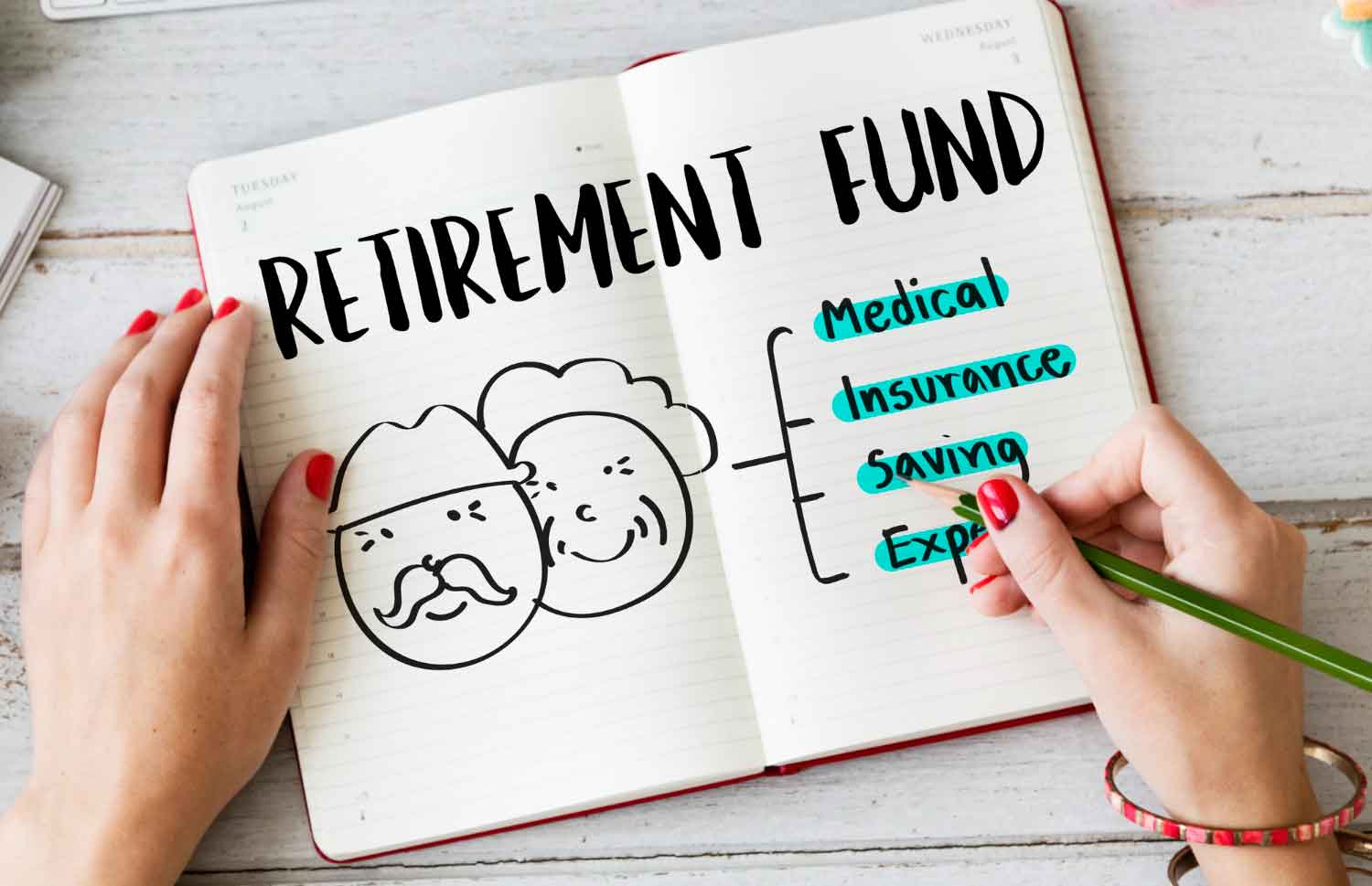
There is no single solution, but there are realistic options.
1. Voluntary pension contributions at home
Some countries allow citizens to make voluntary contributions even while living abroad.
This can:
- Preserve contribution years
- Maintain eligibility
- Reduce long-term gaps
However:
- Rules vary widely by country
- Contributions may not be cheap
- Deadlines and eligibility requirements are strict
This is one of the most overlooked options among overseas teachers.
2. Private pension or retirement savings plans
Many foreign teachers rely on:
- Private pension products
- Retirement investment accounts
- Long-term savings plans
These do not replace state pensions, but they can provide:
- Flexibility
- Portability
- Independence from national systems
The downside is that they require discipline and long-term planning.
3. What China does, and does not, provide
China’s social insurance system is designed primarily around domestic, long-term participation, but it does provide a legal framework for foreigners who are lawfully employed and enrolled.
In practice:
In practical terms, China’s social insurance system was not designed with long-term foreign careers in mind.
While the law generally requires lawfully employed foreigners to participate in social insurance unless a bilateral agreement provides an exemption, how this is applied can vary by city and employer. If a foreigner leaves China before meeting the statutory conditions for pension benefits, some local authorities allow a lump-sum withdrawal of the individual account balance, but employer contributions paid into the pooled fund are typically not refundable.
Importantly, participation in China’s pension system does not automatically translate into pension rights in a teacher’s home country. Unless a bilateral social security agreement exists, years worked in China usually cannot be credited toward home-country public pension systems, even if benefits may eventually be payable under China’s rules.
For most foreign teachers, this means China’s system should be viewed as a local employment benefit, not a complete or portable retirement solution.
4. Common misconceptions
❌ “I’ll just catch up later.”
→ Often difficult or expensive, depending on country rules.
❌ “My home pension will automatically include my overseas years.”
→ Often not, unless a bilateral social security agreement (or a home-country voluntary contribution mechanism) allows those years to be credited.
❌ “If I pay tax, I must be building pension rights.”
→ Tax and pension systems are usually separate.
❌ “I’ll figure it out near retirement.”
→ By then, many options may no longer be available.
The Bottom Line
For foreign teachers, pensions rarely feel urgent day-to-day. But long overseas careers, combined with demographic pressure and eligibility rules in many countries, mean the cost of “not thinking about it” can compound over time.
The key takeaway is simple:
If you work abroad for long periods, you need to know whether those years are building any pension entitlement at all, and if not, what you’re doing instead.
Understanding this early gives you options. Ignoring it quietly removes them.
Related article: Work Permit Delays: The Documents That Trip Up Foreign Teachers