
In just over a month the mini-program drew more than 200,000 users and reports on over 600 hotels, and then WeChat’s rules for one-person developers caught up with it.
This summer, a man in China moved into a new flat and found himself covered in bites. In the bed were small insects.
He works in manufacturing and had never programmed. Yet by September the man, who uses the pseudonym Wang Chuang, had built Bed Bug Map (床虱地图), a WeChat mini-program on which travellers flag hotels where they say they found bed bugs.
The bites sent him searching online, where he found plenty of complaints about bed bugs in hotels. When he went back to them, the posts had gone. “So I thought I’d build a mini-program to protect consumers’ right to know,” he told Red Star News.
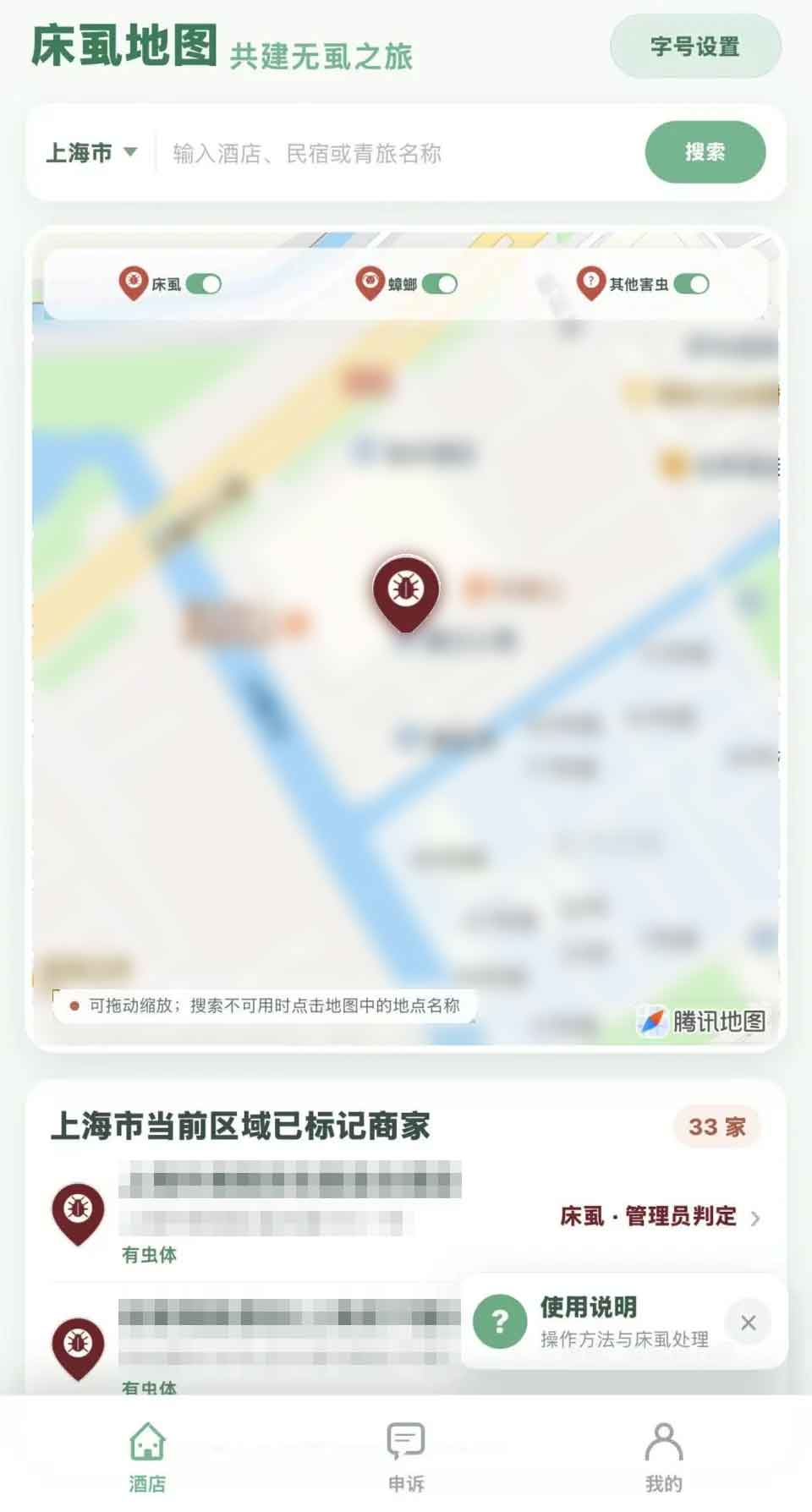
He had only started writing code with AI in July, in his spare time. “The AI did all the technical work,” he told Xiaoxiang Morning Herald. “I look after the review features and tweak the interface.”
It caught on fast. In just over a month the map drew more than 200,000 users, according to Jiemian, and travellers flagged more than 600 hotels, first in big coastal cities and then across the country.
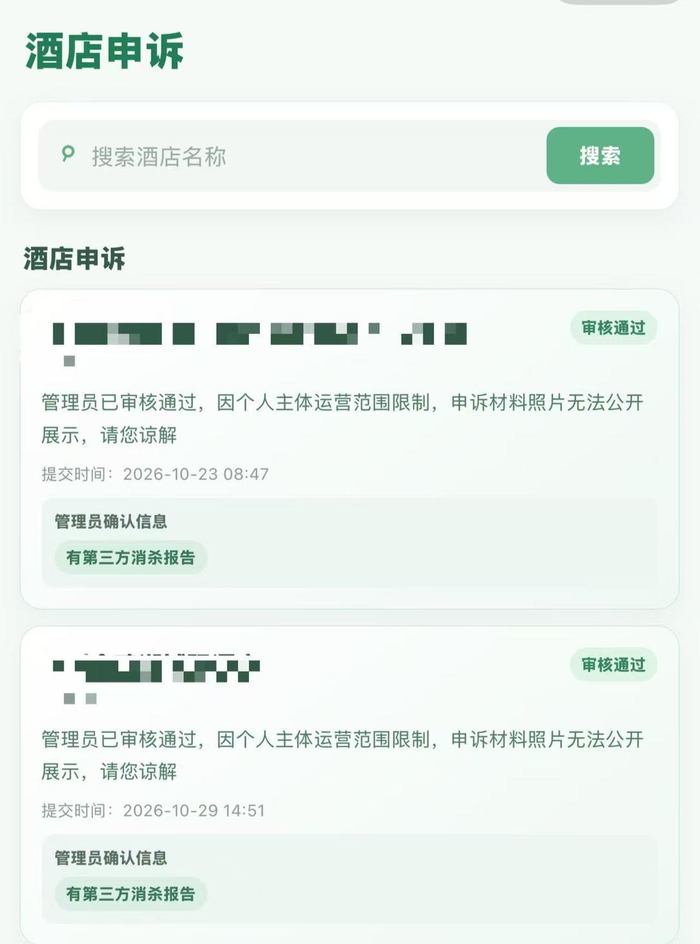
Hotels can answer back with pest-control reports. One Beijing hotel told Yicai that its mark was removed after an outside firm checked the room in question and 24 others and found neither bugs nor eggs.
Then the rules caught up. In the last week of October, WeChat suspended the app twice: under its rules, an individual developer cannot run a service built on content that users upload. A reworked version was back by 1 November with users’ photos hidden. New reports now need evidence, which Wang checks himself.
A lawyer told Xiaoxiang Morning Herald that ordinary users are not pest experts, and crowd review “is no substitute for establishing the facts in law”. Wang admits the limits. “On my own, I definitely can’t make it perfect,” he told Jiemian.
Nor is he out to sink hotels. “You can’t condemn every hotel in one go,” he said. “Once a hotel has dealt with it properly and the problem is gone, you can still stay there.”
Anyone with WeChat can search for 床虱地图, though a flag on the map is a traveller’s report, not an inspector’s verdict.
For now, Wang has no plans to set up a company or make money from it. The map that grew out of one itchy summer is still a side project.
Related article: Robot dog climbs Mount Tai’s 3,100 steps in an hour, outpacing human hikers