
BYD’s Car-Mounted Lingyuan Drone System: What Could Possibly Go Wrong?

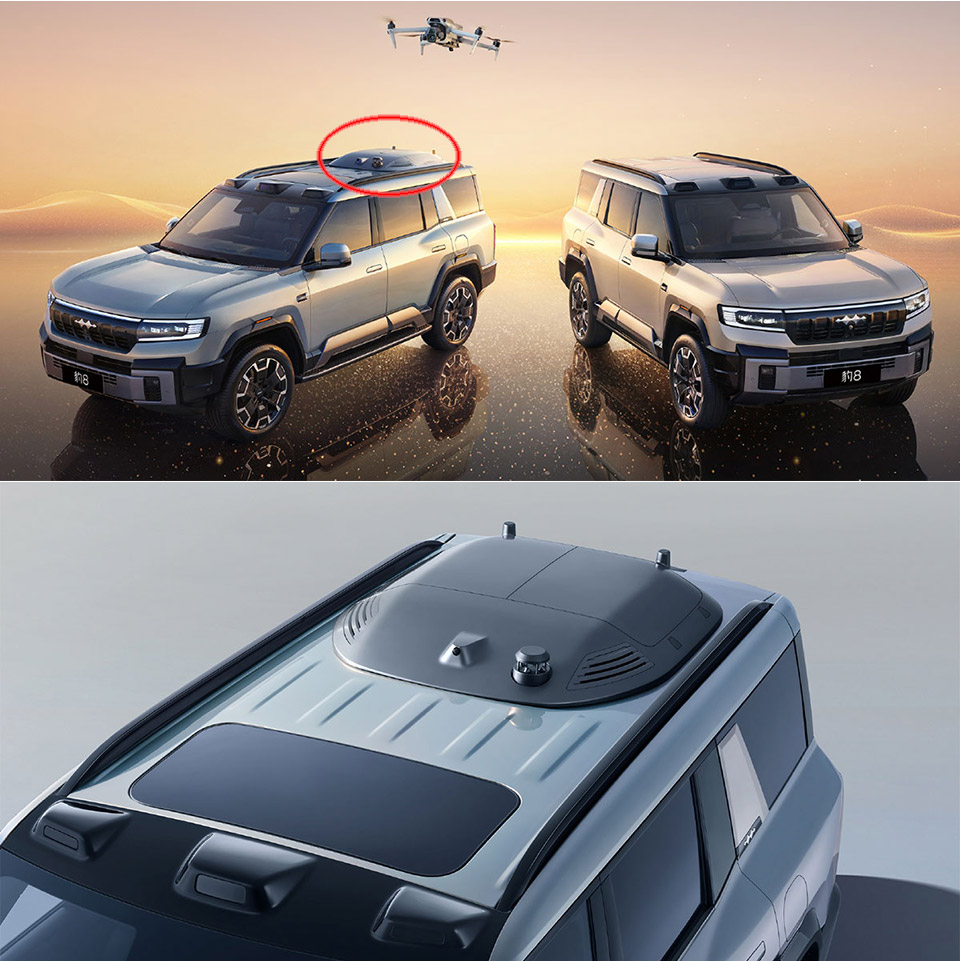
BYD, a leading Chinese electric vehicle (EV) manufacturer, has partnered with DJI, the global leader in drone technology, to unveil the world’s first vehicle-mounted drone system, named “Lingyuan.”
BYD’s Car-Mounted Lingyuan Drone System: What Could Possibly Go Wrong?
BYD’s Car-Mounted Lingyuan Drone System

The system is only available in China, and costs 16,000 yuan (or about $2,197).

This integration transforms vehicles into mobile aerial platforms, offering a novel blend of mobility and aerial capabilities.

Key Features of the Lingyuan System
BYD’s Car-Mounted Lingyuan Drone System: What Could Possibly Go Wrong?
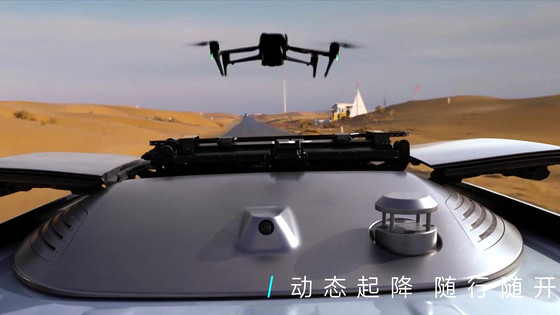
Screen grab from BYD’s YouTube video

Integrated Drone Hangar: The system features a retractable rooftop hangar, allowing the drone to autonomously take off, land, and recharge while the vehicle is in motion.

Dynamic Operation: Supports drone takeoff and landing at vehicle speeds up to 25 km/h (15.5 mph). The drone can follow the vehicle at speeds up to 54 km/h (33.5 mph) and has automatic return functionality within a 2 km range.
BYD’s Car-Mounted Lingyuan Drone System: What Could Possibly Go Wrong?

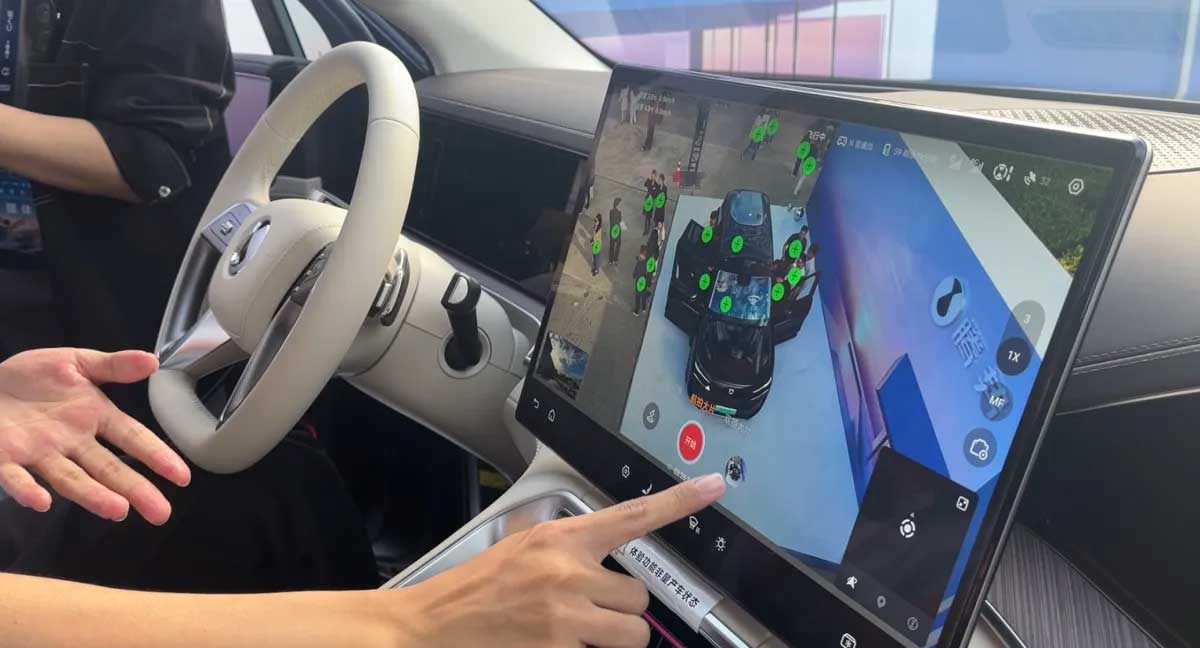
Comprehensive Package: Includes a DJI drone (likely the DJI Air 3S), a rooftop hangar, positioning modules, and applications for AI recognition, video editing, and music integration.

Battery Management: The docking station recharges the drone from 20% to 80% in approximately 30 minutes.

Flying a Drone While Driving a Car—What Could Possibly Go Wrong?

Just because you can, doesn’t mean you should:

The Lingyuan system promises an exciting fusion of mobility and aerial technology, but incorporating drone operation into everyday driving is, quite frankly, a recipe for disaster.

Driver Distraction:

First and foremost, driver distraction is a significant concern. Distracted driving already account for thousands of fatalities each year, and the added cognitive load of operating or monitoring a drone while driving will only heighten the risk.

Even if automation reduces the need for direct input, the temptation to interact with the drone remains—especially considering that the Lingyuan system allows drones to take off and land while the vehicle is moving at speeds of up to 25 km/h.

Legal obstacles further complicate matters. Many countries have strict regulations against operating drones over moving vehicles—and for good reasons. In the event of signal loss or equipment failure, a drone can become a serious hazard to pedestrians and other motorists, including the drone operator.

In many countries, maintaining visual line-of-sight (VLOS) is a legal requirement, enforced by aviation authorities to ensure safe drone operation. This fundamental safety measure helps protect people, property, and airspace integrity. By mandating that drones remain within sight, VLOS regulations require operators to maintain full control at all times —adding yet another layer of complexity to an already precarious setup.

Technical Failures:

Finally, technical failures pose a real threat. Drones are susceptible to signal interference, extreme weather, and mechanical malfunctions. A drone malfunctioning over a highway could have catastrophic consequences, especially given that even small drones have been shown to cause severe damage upon collision with vehicles or aircraft.

In short, while the Lingyuan system may be an impressive technological feat, its practicality—and safety—on the road remains highly questionable.

Applications and Use Cases

According to BYD, the Lingyuan system enhances the driving experience by allowing users to capture cinematic road trip footage, monitor traffic conditions, and assist in emergencies with real-time aerial views. BYD Chairman Wang Chuanfu highlighted this innovation as a reimagining of vehicle design, merging mobility with aerial capabilities.

However, while the concept sounds impressive, it’s hard to shake the feeling that they really haven’t fully thought this through.

Related article: Taking Flight: How Haikou’s Drones Are Transforming Duty-Free Logistics
Taking Flight: How Haikou’s Drones Are Transforming Duty-Free Logistics – TropicalHainan.com

Haikou’s innovative use of drone technology is transforming duty-free logistics, enhancing efficiency, and setting new standards in the low-altitude economy …
www.tropicalhainan.com
SourceXinhua

- Follow Us on WeChat -

spot_img

Related articles:

Hainan After Customs Closure: Which Sectors Have Real Commercial Traction?

Hainan’s first post-closure data separates sectors with measurable business activity from those supported by regulatory access and specialised platforms …

Hainan Enters Hottest Month: Peak Heat, Widening Drought and Stronger Typhoon Risk

Official forecasts point to an uneven season of Widening Drought, intense rainfall and stronger storms, with El Niño adding further uncertainty ...

Death in China: The Foreigner’s Final Paperwork Problem

A practical look at what happens regarding a foreigner’s passport, funeral arrangements, bank accounts, phone and apps when a foreign national dies in China ...

Hainan’s 2026 Investment Opportunity List Shows What the Free Trade Port Wants Built Next

Hainan’s 2026 Investment Opportunity List shows what the Free Trade Port wants built next, from ports and digital trade to medical platforms and future industries …

Get weekly email updates for new articles published!

Follow Us on WeChat

spot_img

Latest Articles ...

Apostille has replaced Chinese consular authentication for relevant documents from Convention countries, but notarisation, translation and validity rules can still apply ...
Lost your passport in China? If your embassy, consulate, or relevant home-country institution in China cannot reissue a travel document, China has an Exit-Entry Permit for Foreigners …
Hainan’s new services plan points to a shift in how foreign operators may use the FTP: banking, permits, policy access and talent recognition …
How Hainan’s 30% rule is beginning to shape business decisions for companies using the FTP’s customs route into mainland China ...
spot_img

Why Your Name Doesn’t Match Across Chinese Systems, and What to Do About It

Your name exists in five different systems in China. Zero automated checks and they don't talk to each other. Here's what happens when they disagree ...

Why Foreigners Lose Access to Their Chinese Bank Accounts

Frozen accounts, blocked cards, restricted access. Most expats in China don't think about their bank account until they can't access it …

China’s Green Card: How Rare Is It, and What It Takes to Get One

Between 2004 and 2017, China issued just over 10,000 permanent residency permits to foreign nationals. This guide explains the four eligibility routes, the real criteria, and your honest odds of qualifying …

Why Your Passport Doesn’t Work: A Foreigner’s Guide to China’s ID-Only Systems

Your passport is legally valid for trains, hotels, SIM cards and payment accounts in China. The problem isn't the rules, it's the systems built on top of them …
spot_img

Looking for an international pre-school in Haikou?

Flora's International Preschool has three preschools in the Haikou area. Our schools follow a European curriculum

Continue Reading ...

Hainan After Customs Closure: Which Sectors Have Real Commercial Traction?

Hainan’s first post-closure data separates sectors with measurable business activity from those supported by regulatory access and specialised platforms …

Hainan Enters Hottest Month: Peak Heat, Widening Drought and Stronger Typhoon Risk

Official forecasts point to an uneven season of Widening Drought, intense rainfall and stronger storms, with El Niño adding further uncertainty ...

Death in China: The Foreigner’s Final Paperwork Problem

A practical look at what happens regarding a foreigner’s passport, funeral arrangements, bank accounts, phone and apps when a foreign national dies in China ...

Get weekly email updates for new articles published!

Never miss another important notice or event. Be informed of what you need to know, when you need to know it.