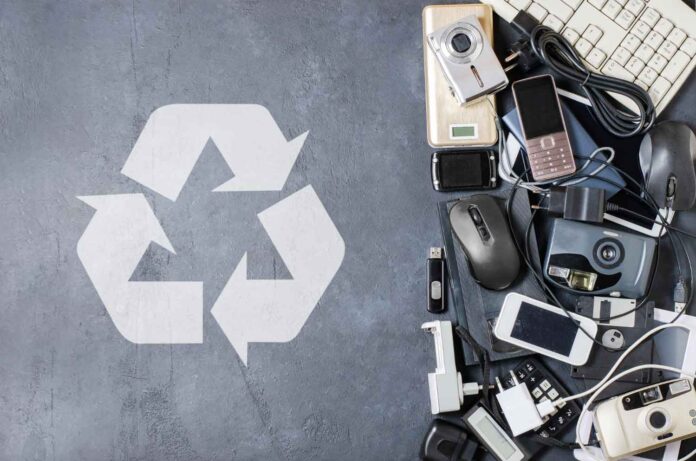
If you have an old phone or laptop sitting in a drawer, you are not alone. Many people hesitate to sell or recycle old devices for one simple reason: privacy.
Photos, contacts, messages, payment details and account data feel too personal to trust to a factory reset button.
China now has a clear, technical answer to that concern
A new national standard, GB 46864–2025, officially titled Data Security Technology: Technical Requirements for Information Erasure of Electronic Products, has been released. According to published reports, it will come into force on 1 January 2027.
Here is a guide to what the standard actually does, why it matters, and how it changes the way old electronics should be handled in China.
Deleting is not the same as erasing

Most people think deleting files or restoring factory settings is enough. Technically, it often is not.
In many cases, “deleted” data is only marked as unavailable. The information itself can still be recovered using specialised tools. Photos, call logs, chat histories and even payment-related data may remain hidden on the device.
The core contribution of the new standard is simple but important: it formally defines “information erasure” as a strict technical process, not a casual user action.
Think of it this way. Deleting a file is like crossing out a chapter title in a book. The pages are still there if someone knows where to look. Information erasure, as defined by the standard, removes or overwrites the pages themselves so they cannot be read again.
How information erasure must be done
The standard sets out two primary technical methods. Which one applies depends on the type of storage inside the device.
1. Data overwrite
This method repeatedly writes meaningless or random data over the original information. For traditional magnetic storage devices, the standard requires at least three overwrite passes, including at least one pass using random data.
2. Block erase
This method is mainly used for semiconductor storage such as flash memory. It relies on low-level commands that erase data at the physical block level. Once completed, the original information cannot be restored.
Both approaches aim to make data recovery technically impractical and economically unviable.
What data must be erased

The standard is very specific about the scope of erasure. It is not limited to obvious files.
Required categories include:
- User-created or downloaded text, photos, audio and video
- Contacts, call records, messages, calendars, notes, location data and activity logs
- Installed applications
- Data generated by installed or pre-installed apps, including shared data between apps
- Account and security information such as usernames, passwords, biometric data and app credentials
- Information from bound external items like bank cards, transit cards and access cards
- System and personalisation data, including network settings, permissions and Bluetooth information
- Backups stored on the device
- Cached data created during normal use
In short, anything that can reflect how a device was used must be cleared.
Two important practical reminders
The standard also flags issues that are easy to overlook.
First, if user data is encrypted, erasure must include the encryption keys and all copies of those keys. Leaving keys behind can make encrypted data recoverable.
Second, before erasure, users should log out of pre-installed app accounts and disable automatic cloud synchronisation. Otherwise, data may reappear through re-binding or automatic syncing after the device changes hands.
Who is responsible, and when
The standard assigns responsibilities across the entire product lifecycle.
Manufacturers
Manufacturers must provide users with compliant information-erasure solutions. This can be:
- A built-in erasure function; or
- If that is not possible:
- a dedicated external erasure tool,
- reliable guidance on a qualified third-party tool, or
- a free erasure service.
Before erasure takes place, manufacturers must clearly explain the scope, method and impact, and proceed only after user confirmation.
Second-hand recyclers and operators
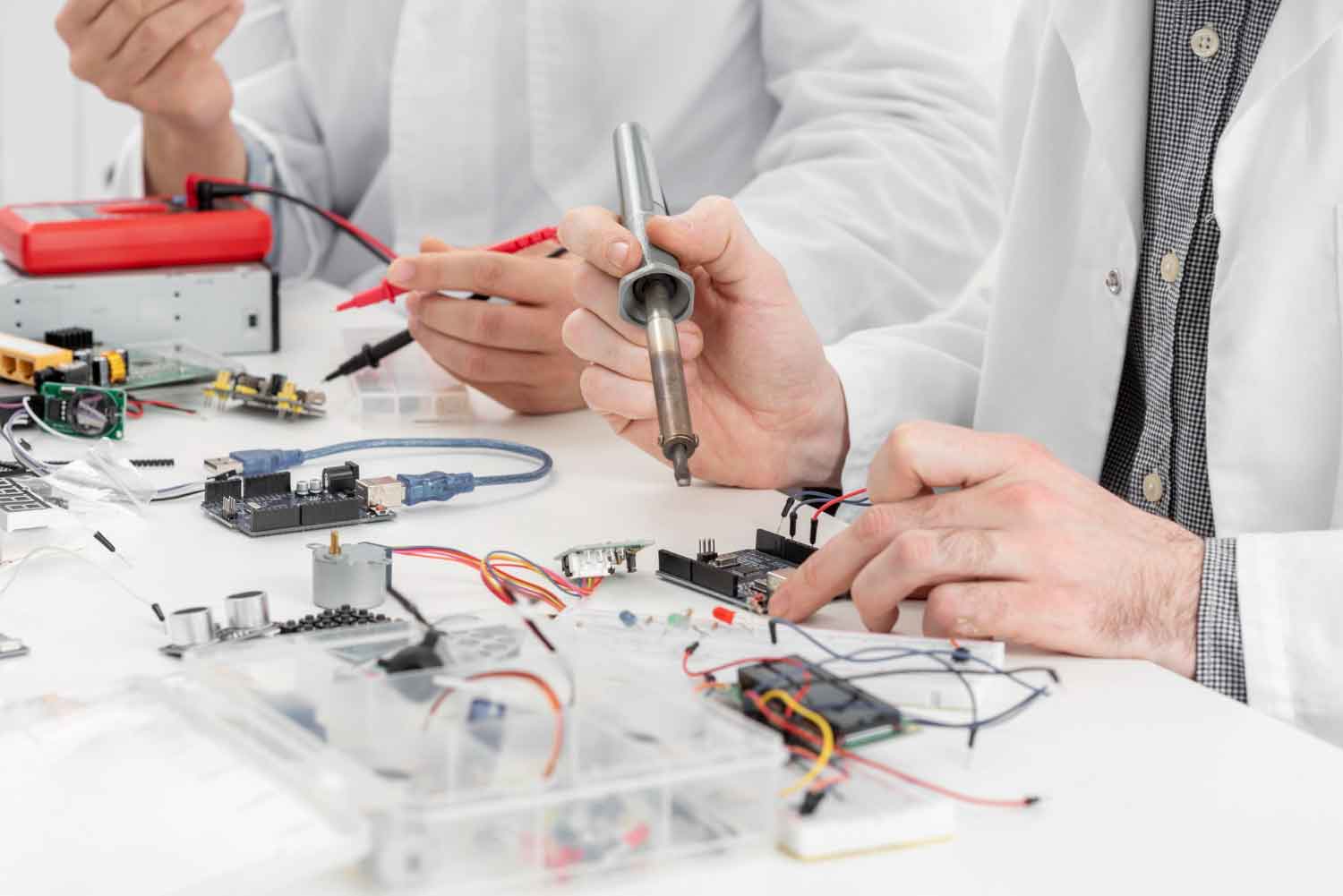
Recyclers face stricter rules.
- Users must be reminded to erase their data before collection.
- Without user authorisation, recyclers may not access or retain any user information.
- After collection, compliant technical erasure methods must be used.
If erasure is impossible due to damage or other objective reasons, compliant physical destruction is required.
Before resale, recyclers must verify that erasure has been effective. Devices containing unerased user data may not be resold, exported or transported out of the country.
Recyclers are also required to support erasure-status queries and retain relevant operational and verification records for the required period.
What products are covered, and what is excluded

The standard applies to electronic products produced and sold within China that contain non-volatile storage. This includes:
- Mobile phones and tablets
- Laptops and desktop computers
- Smart wearable devices
- Office equipment and similar products
It applies to manufacturers, technical service providers and second-hand recyclers involved in information erasure.
Products involving state secrets are excluded. Data handling for those devices must follow China’s separate laws and regulations on state secrecy and confidentiality.
Why this matters
Data is now one of the most valuable assets individuals possess. How old electronics are handled affects personal privacy, financial security and trust in the second-hand market.
By setting clear technical requirements, this national standard strengthens protection for personal information and brings more consistency and transparency to device recycling and resale.
As implementation moves forward, consumers can expect clearer guidance, manufacturers will carry greater responsibility, and recyclers will operate under stricter verification and traceability rules.
Letting go of old devices should not mean giving up control of your data. With this standard in place, safer disposal becomes not just possible, but expected.
Related article: Why China Finally Clamped Down on Fast Electric Bikes: What Changed in 2025