Hainan Island, often celebrated for its tropical beaches and bustling cities, is also home to the Li minority—one of China’s oldest ethnic groups.
Wuzhishan
A mountainous area rich in biodiversity, provided the Li people with the resources they needed to sustain their unique way of life.
The Li people have a deep connection to the island, particularly in the Wuzhishan region, where their traditional way of life has been preserved for centuries.
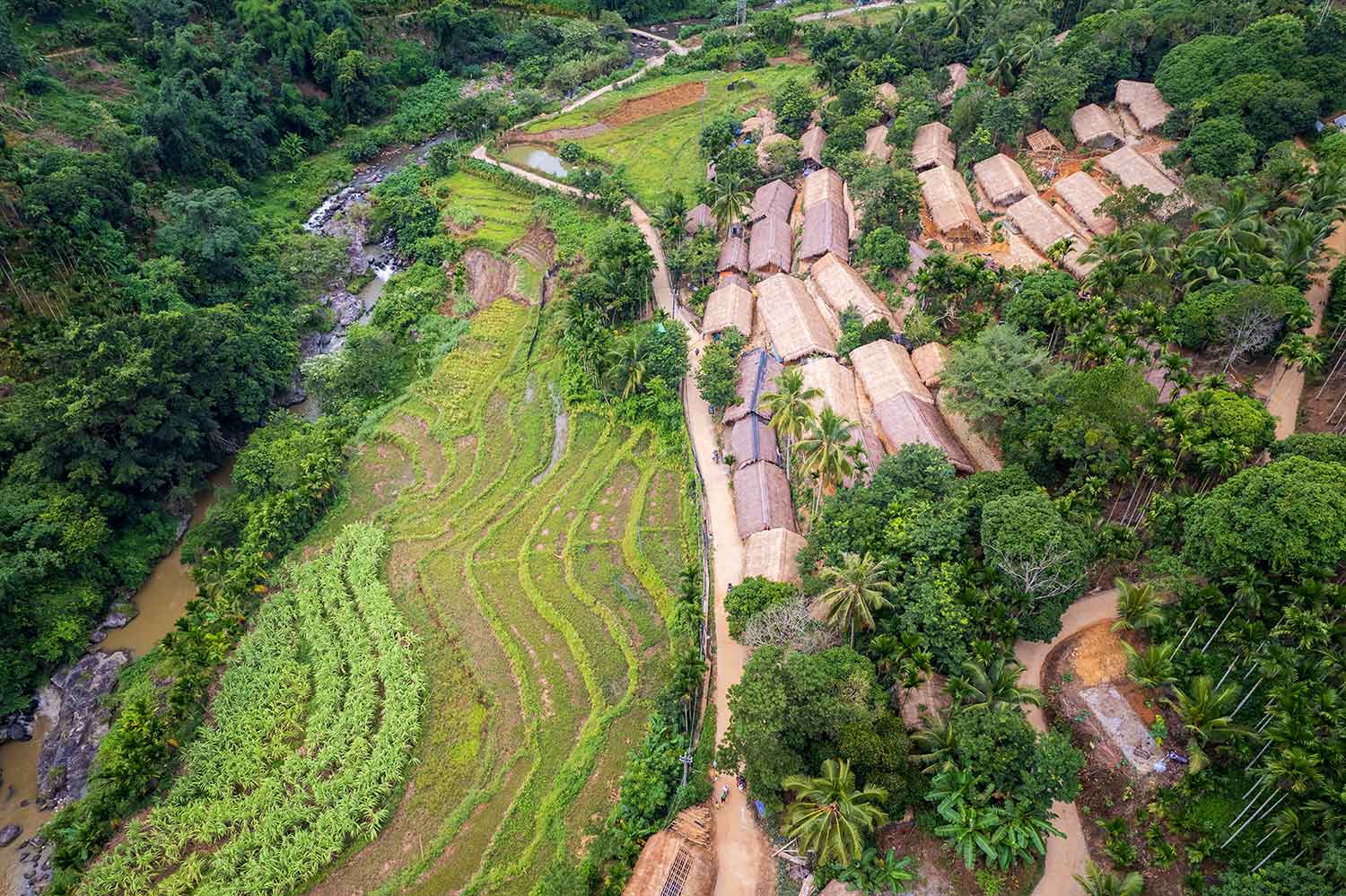
Among the many villages that dot this mountainous area, Chubaocun stands out as a cultural gem, now undergoing a revival that aims to restore its historical significance and make it accessible to visitors once again.
The Historical Significance of Chubaocun Village
Chubaocun Village is more than just a collection of houses; it is a living archive of the Li people’s history and heritage. Historically, Chubaocun played a significant role in the Li community as a centre for traditional practices, including agriculture, handicrafts, and communal ceremonies.
Chubaocun’s exact age or the date when it was first settled isn’t widely documented. However, considering the Li people, one of China’s oldest ethnic groups, have inhabited Hainan Island for thousands of years, it’s likely that Chubaocun has a long history stretching back several centuries, if not millennia.
The Li people are believed to have settled in Hainan over 3,000 years ago, so it’s reasonable to estimate that Chubaocun could have been established during a significant period of Li habitation, possibly in the early or mid-Ming Dynasty (1368–1644), when many such villages were formed. However, without specific archaeological or historical records, this remains an educated estimate.
Chubaocun’s Location
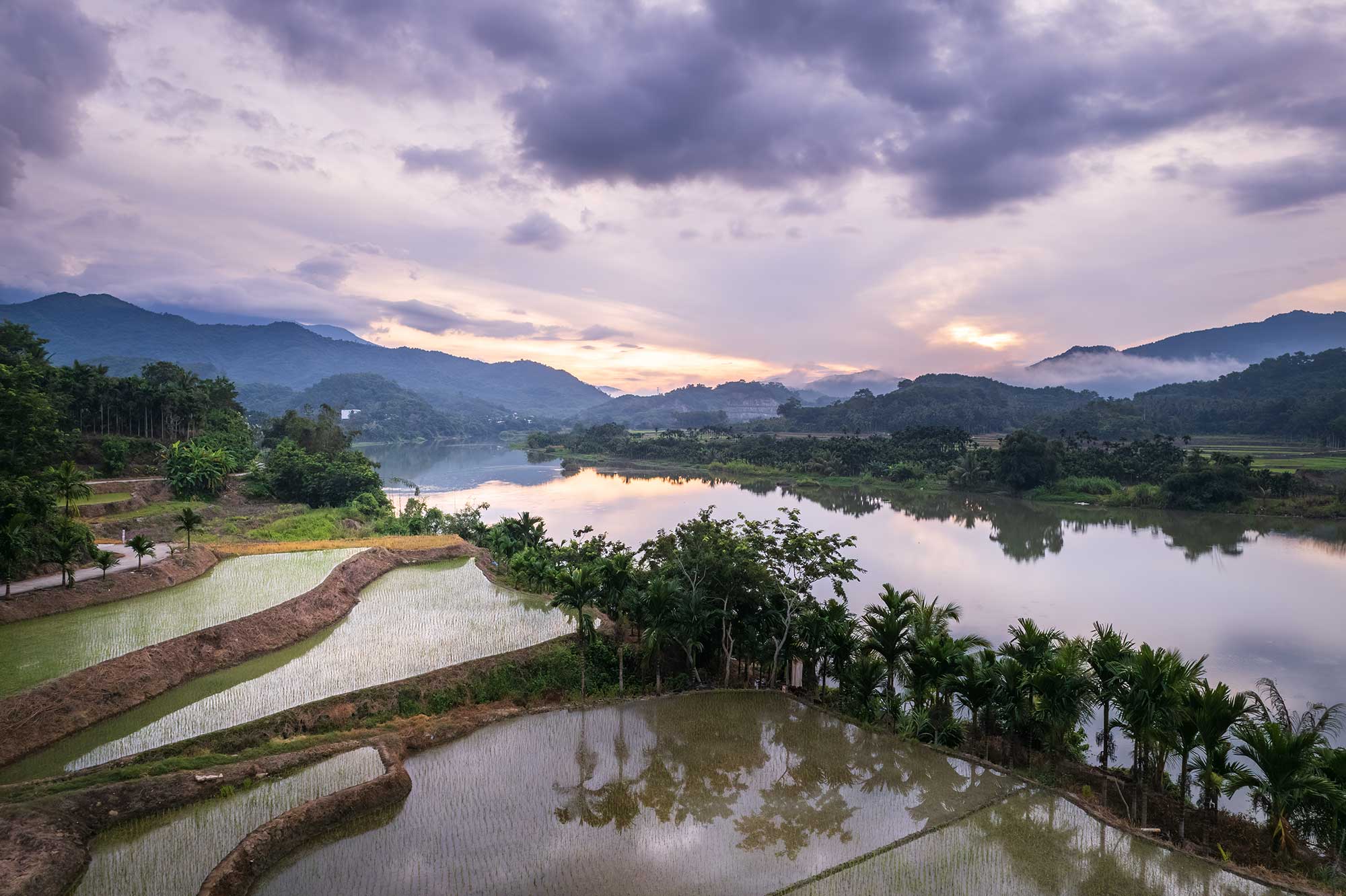
The village’s location in the heart of Hainan’s Wuzhishan, a mountainous area rich in biodiversity, provided the Li people with the resources they needed to sustain their unique way of life.
However, over the years, Chubaocun fell into a state of disrepair, with many of its structures deteriorating and its population leaving. Despite this, the village’s historical and cultural significance remained intact, making it a focal point for efforts to preserve and restore the Li people’s heritage.
Traditional Architecture: A Reflection of Li Culture
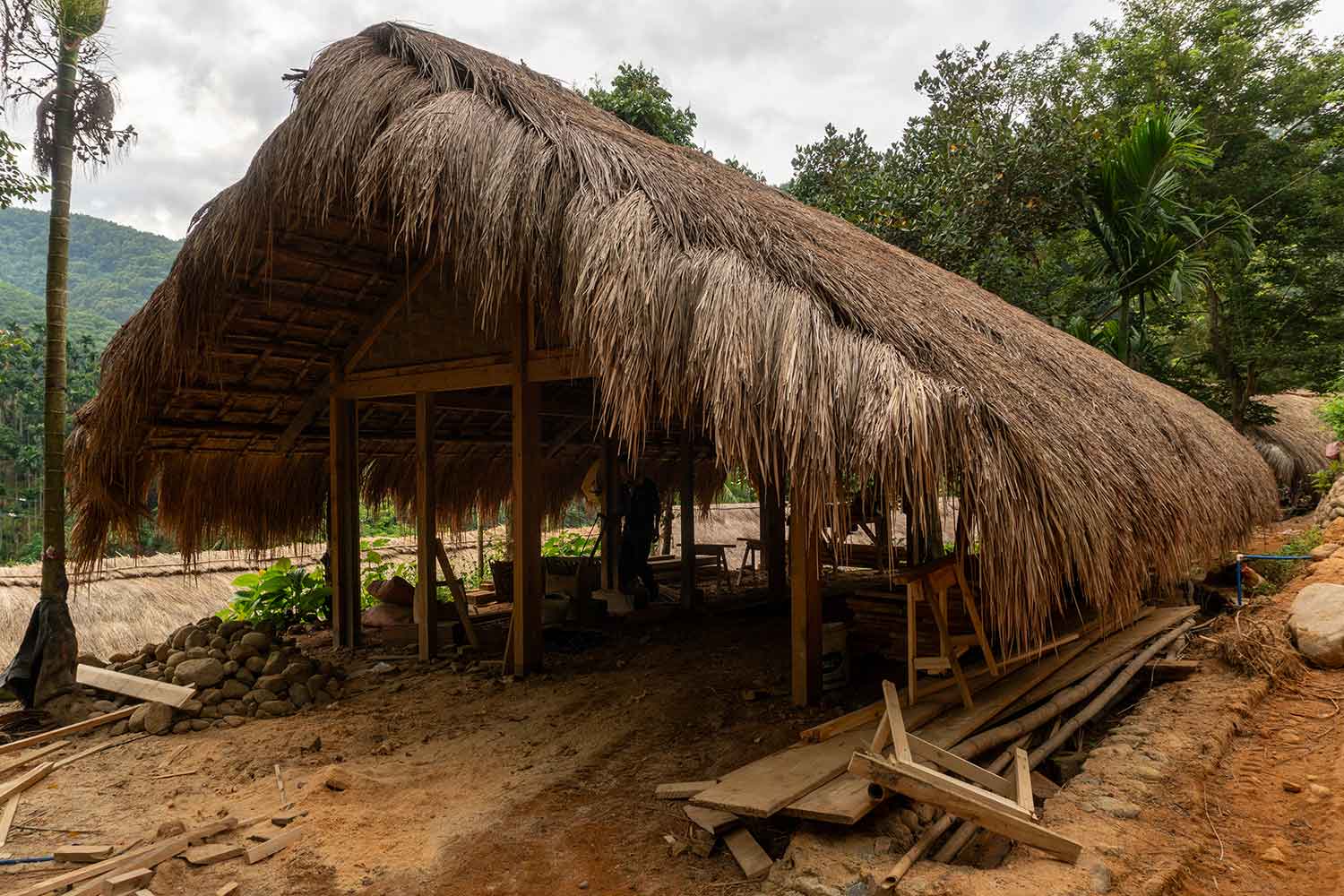
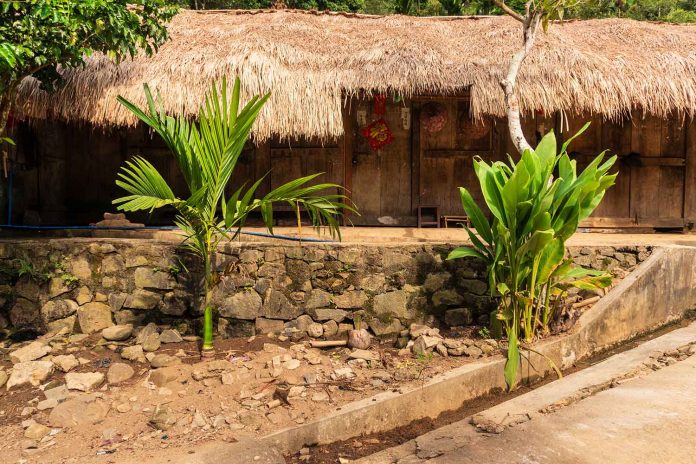
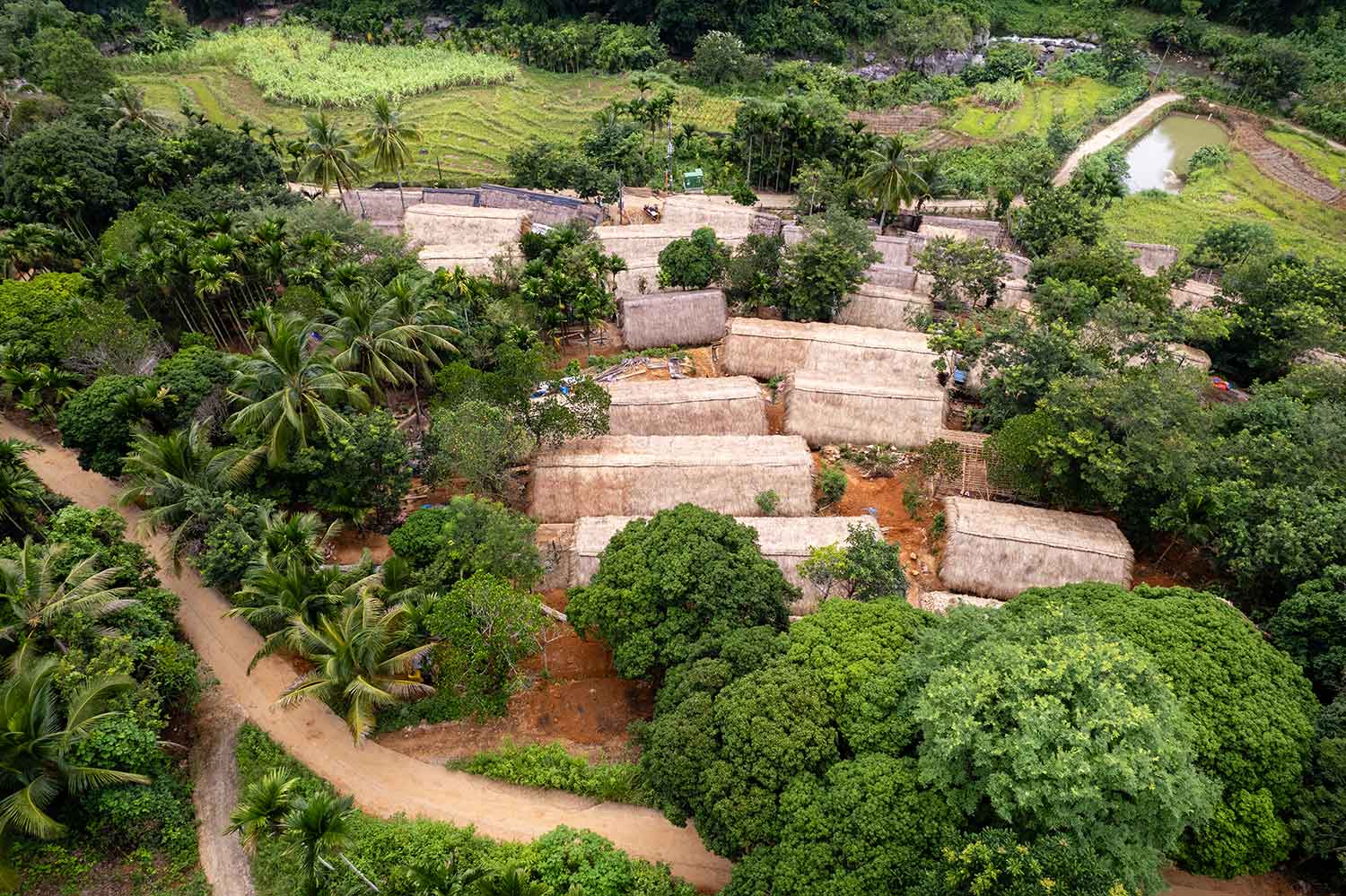
One of the most striking features of Chubaocun is its traditional architecture, which offers a glimpse into the past. The village’s houses are built in the Li style, characterized by thatched roofs, bamboo walls, and wooden frames.
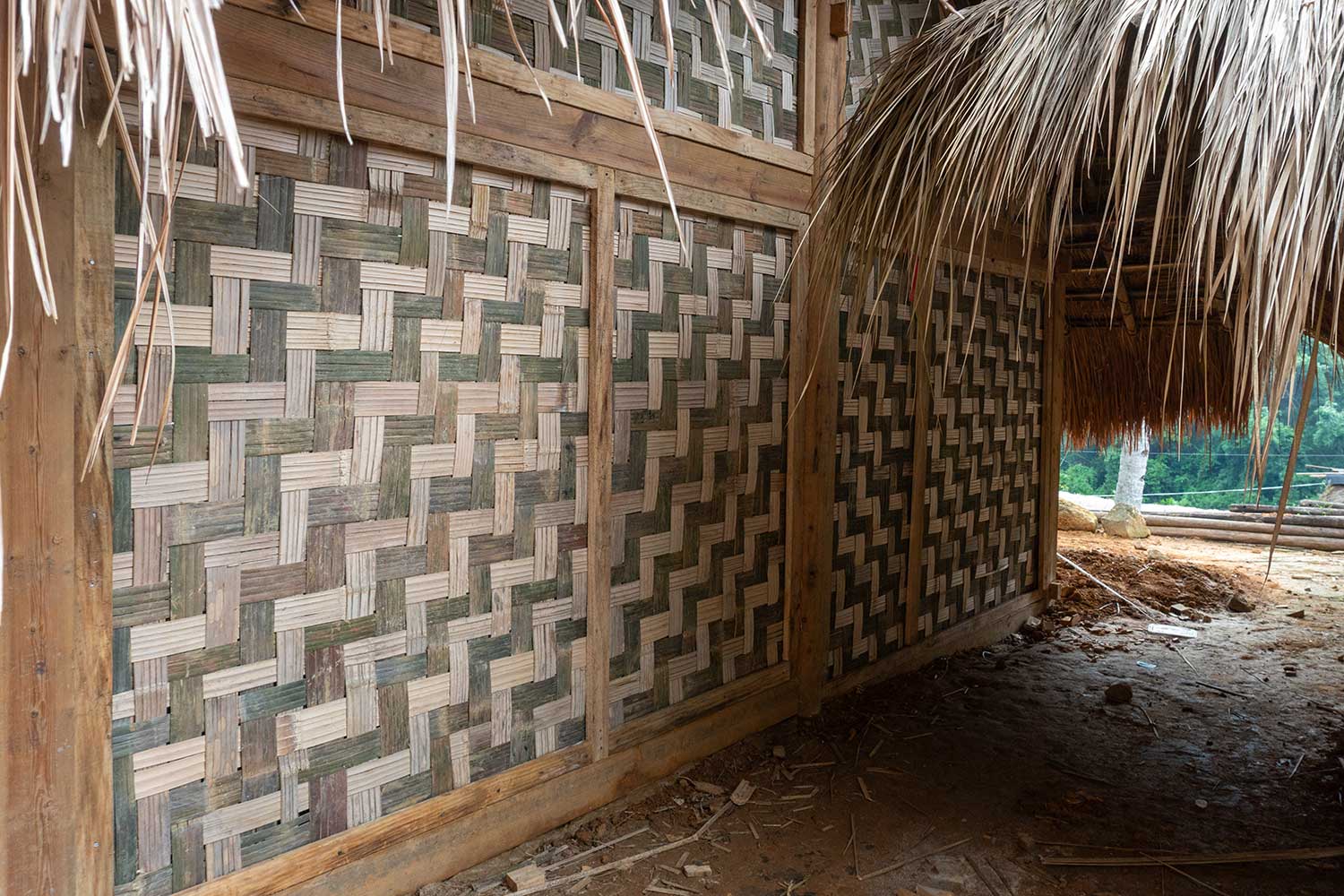
This architectural style is not only aesthetically pleasing but also highly functional, designed to withstand the tropical climate of Hainan Island.

These homes are a testament to the Li people’s ingenuity and their deep understanding of the environment. The materials used in construction are sourced locally, ensuring that the houses blend seamlessly with the surrounding landscape. Moreover, the design of these structures reflects the communal lifestyle of the Li people, with homes often clustered together to foster a strong sense of community.
The Lifestyle of the Li Minority in Chubaocun
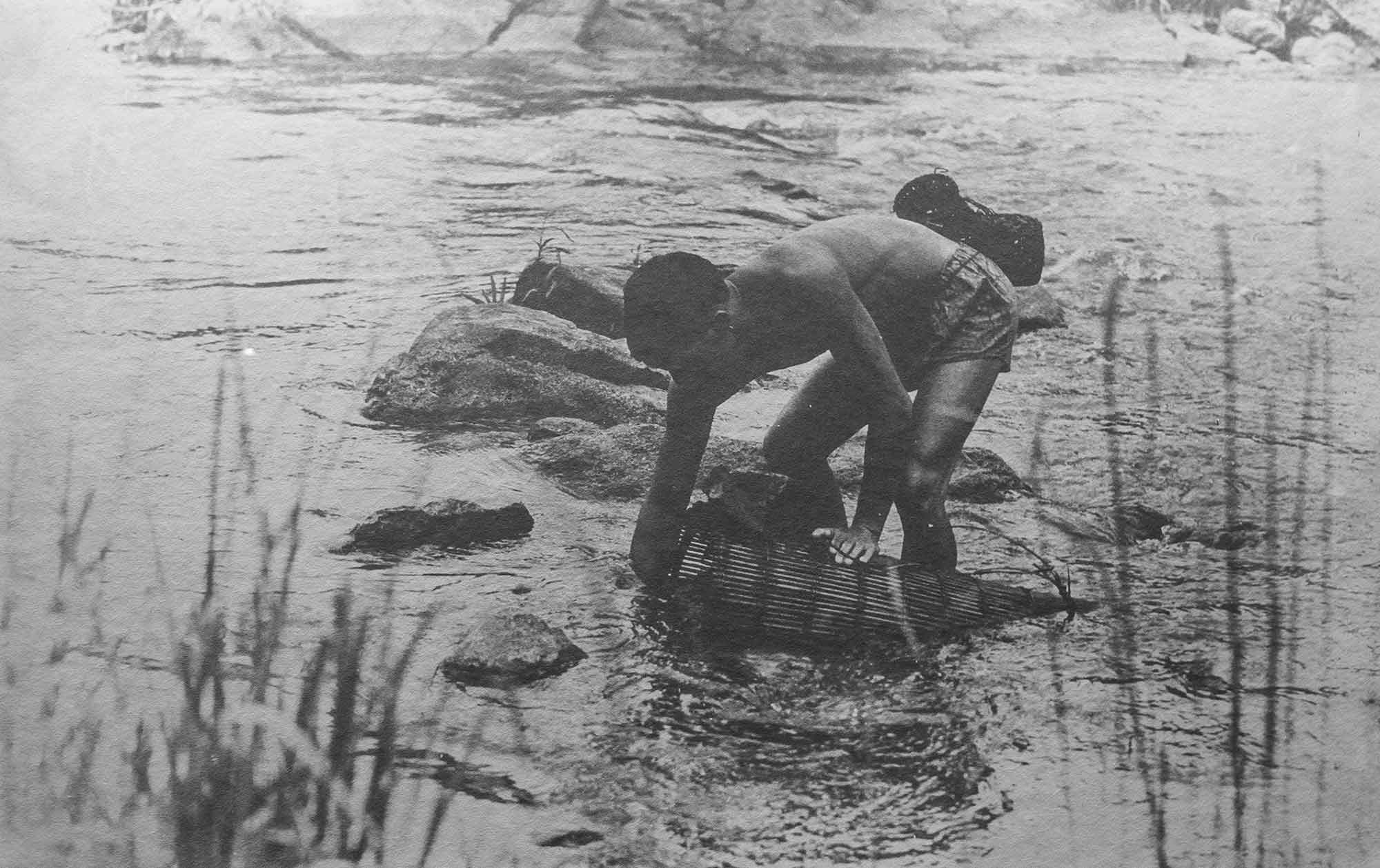
For centuries, the Li people of Chubaocun lived in harmony with their natural surroundings, relying on agriculture, hunting, and fishing for their livelihood. Rice paddies, fruit orchards, and vegetable gardens were common sights in the village, as the fertile soil of the Wuzhishan region provided an abundant harvest.

In addition to farming, the Li people are renowned for their traditional handicrafts, particularly weaving and embroidery.
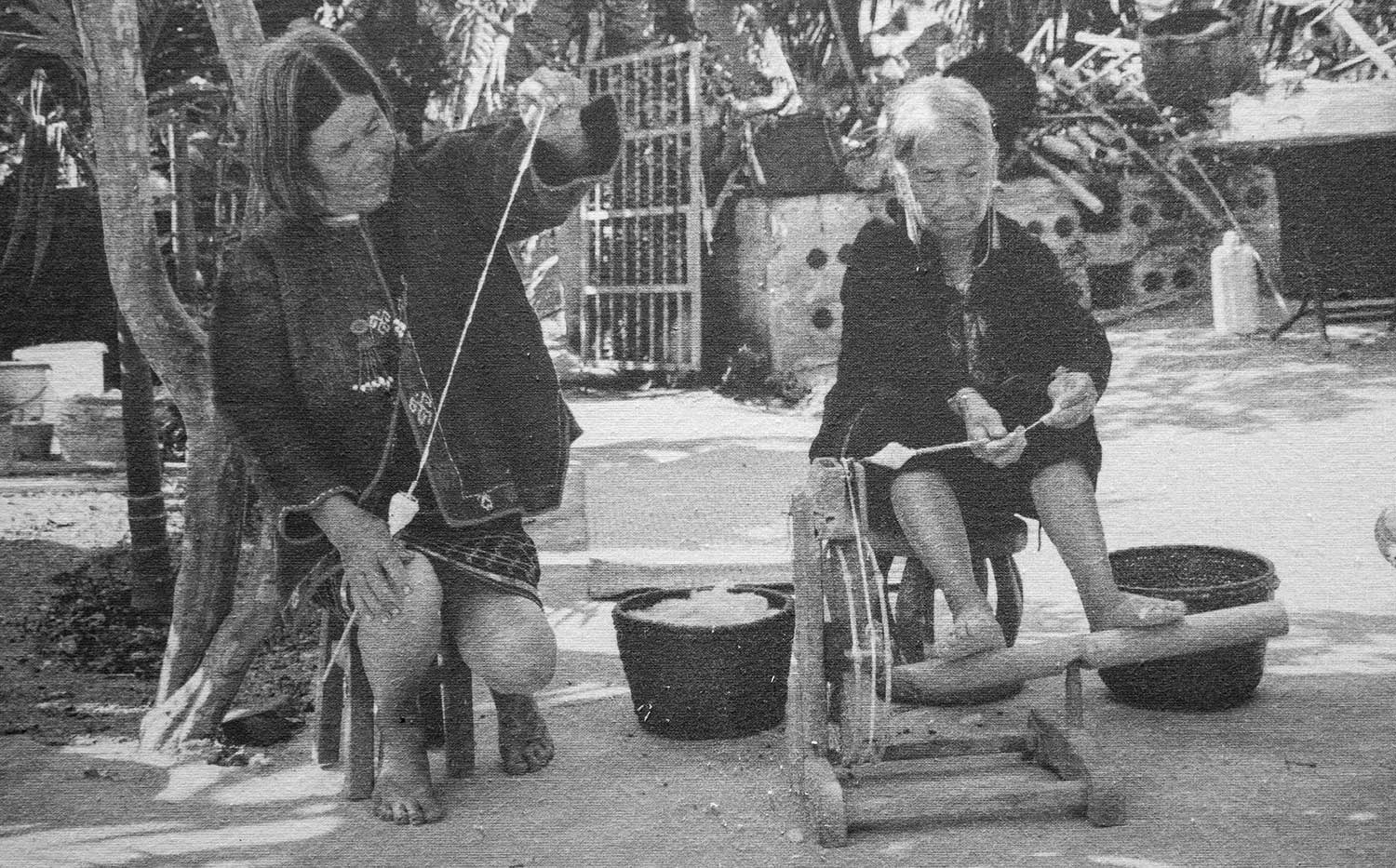
These crafts, often passed down through generations, are not only practical but also hold cultural significance, with intricate patterns and designs that tell stories of the Li people’s history and beliefs.
Life in Chubaocun was deeply connected to the rhythms of nature, with festivals and rituals marking the seasons and significant events in the community. Although modern influences have reached even the most remote parts of Hainan, the Li people have managed to retain much of their traditional way of life.
Chubaocun in the Broader Landscape of Wuzhishan

Chubaocun’s location in the Wuzhishan region places it within one of the most scenic and ecologically rich areas of Hainan Island. Wuzhishan, known for its five-fingered mountain peaks, is a biodiversity hotspot, home to countless species of plants and animals. This natural wealth has long supported the Li people, providing them with food, medicine, and materials for their homes.

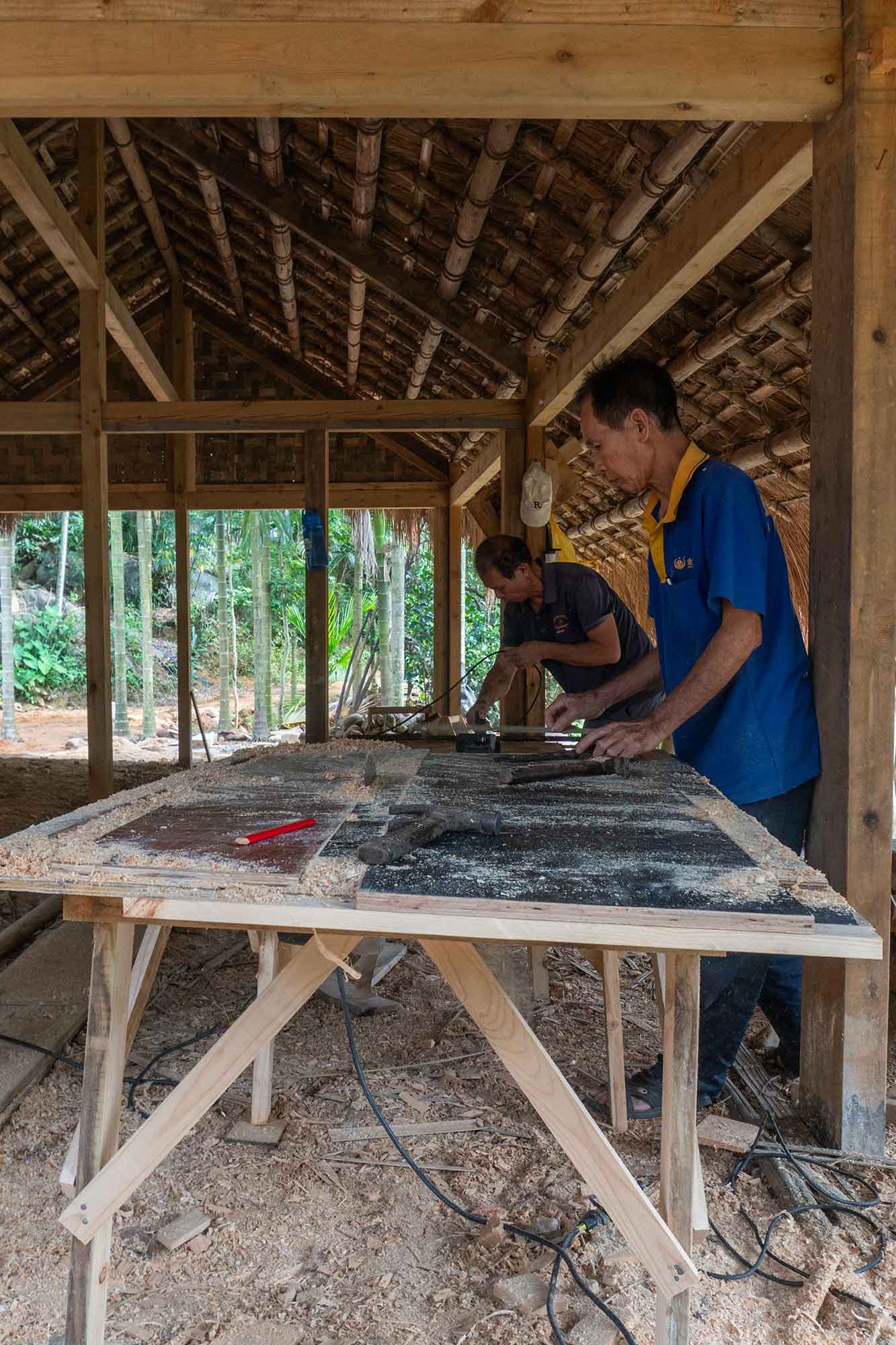
As part of the Wuzhishan landscape, Chubaocun is not just a cultural landmark but also a key element in the region’s ecological network. The village’s restoration is part of a broader effort to promote sustainable tourism in Wuzhishan, allowing visitors to experience the beauty of the natural environment while also learning about the cultural heritage of the Li people.
The Revival of Chubaocun: A New Chapter Begins
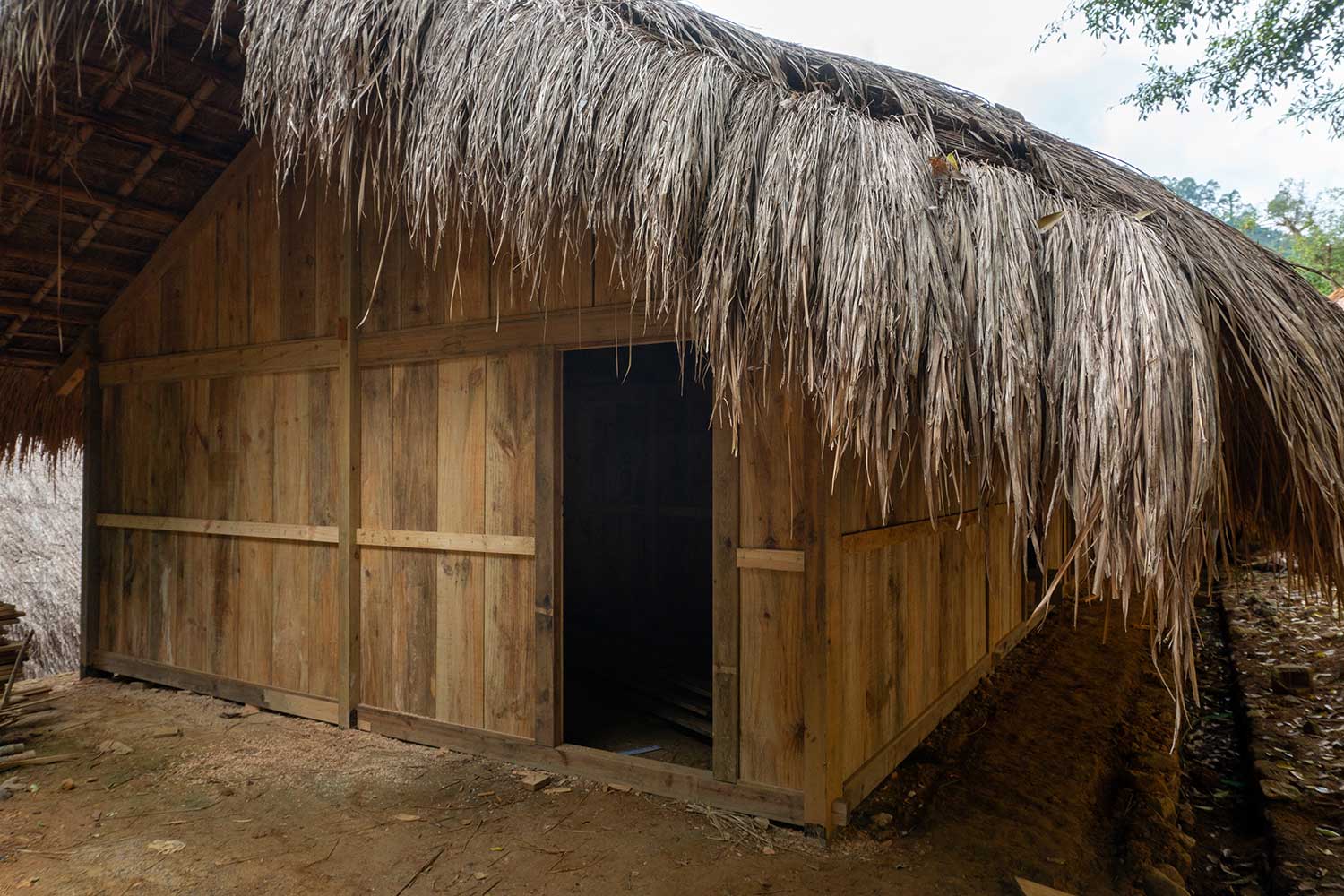
During a recent visit to Chubaocun, I witnessed the village undergoing significant restoration. Workers were busy repairing houses, restoring pathways, and revitalising the landscape. This effort marks a new chapter for Chubaocun, as it prepares to welcome visitors once again.
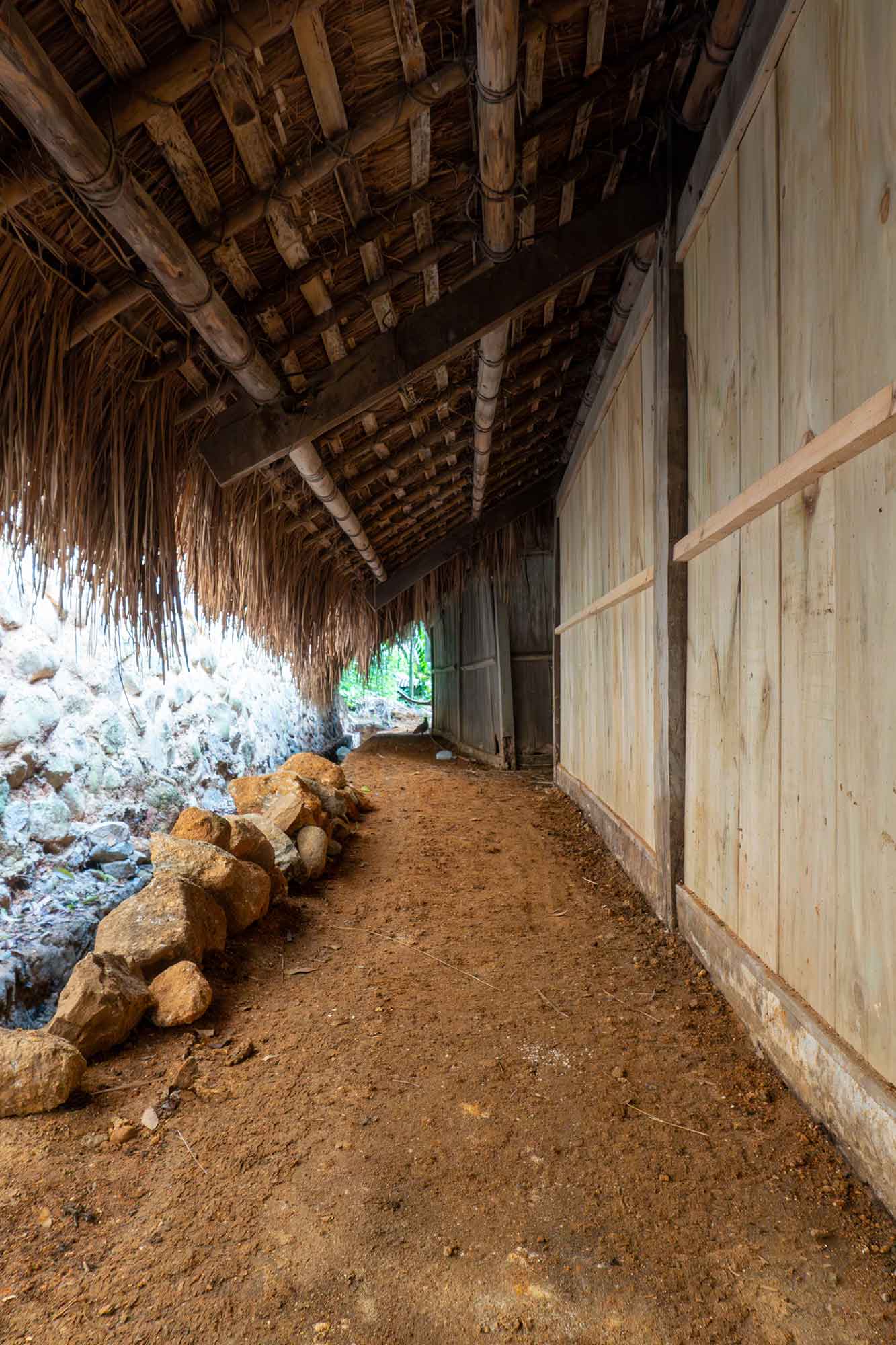
As the restoration continues, Chubaocun is set to become a must-visit destination for those seeking an authentic cultural experience on Hainan Island. The village’s unique blend of history, culture, and natural beauty offers a rare opportunity to step back in time and explore the rich heritage of the Li minority.
For travellers looking to explore the hidden gems of Hainan, Chubaocun provides a perfect starting point. Whether you’re interested in history, culture, or simply the beauty of nature, Chubaocun Village has something to offer.
Address: Copy and paste 初保村 into WeChat/Baidu maps
Related article: Discover more from historical Haikou