

Tuesday, January 13, 2026

Temporary Road Closures in Haikou for New Year’s Eve...

Several roads in Haikou will be subject to temporary traffic controls on December 31, 2025, due to a large New Year’s Eve concert being held in the city ...

A New Direct Flight Puts Hanoi Within Easy Reach...

Hainan Airlines has launched a direct Haikou–Hanoi route, with three weekly flights and a short evening schedule, offering a practical option for Spring Festival 2026 travel ...

China Updates Entry and Transit Policies for International Visitors

China has announced new entry and transit measures for international travellers, including expanded visa-free transit, more direct-transfer airports, online arrival filing, and upgraded clearance systems …

Hainan’s New Tourism Regulations: What You Need to Know

The Hainan Free Trade Port (FTP) is about to see a major shift in how tourism is regulated. On December 1, 2025, a comprehensive new law, the Hainan Free Trade Port Tourism Regulations, will take effect, replacing the current provincial tourism ordinance ...
spot_img
HomeArts and cultureThe Life and...

The Life and Legacy of Su Dongpo, Poet, Politician and Exile

Su Dongpo, also known as ‘Su Shi’ (1037-1101), was a renowned scholar, poet, and government official from the Northern Song dynasty (960-1127) in China. He lived during a time of political instability and ‘cultural flourishing’ and is remembered for his wit, wisdom, and literary talent.
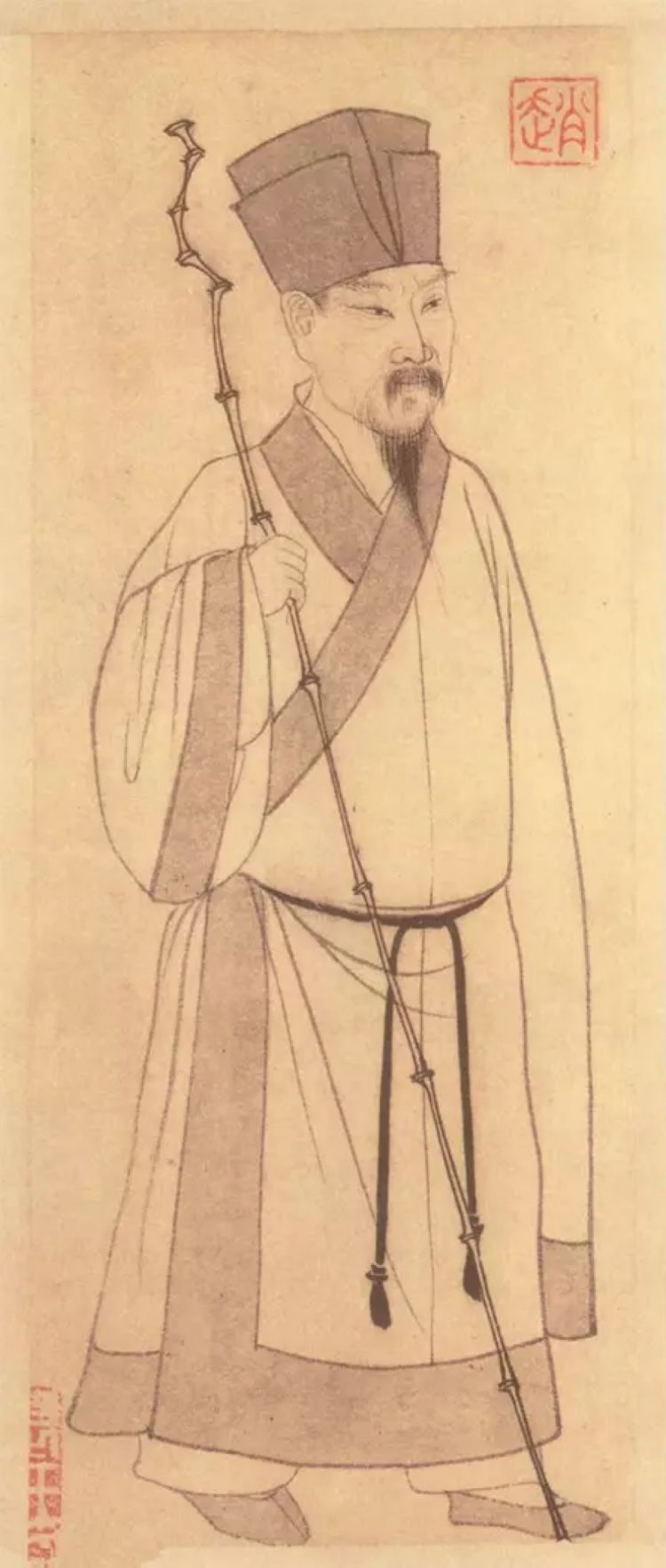
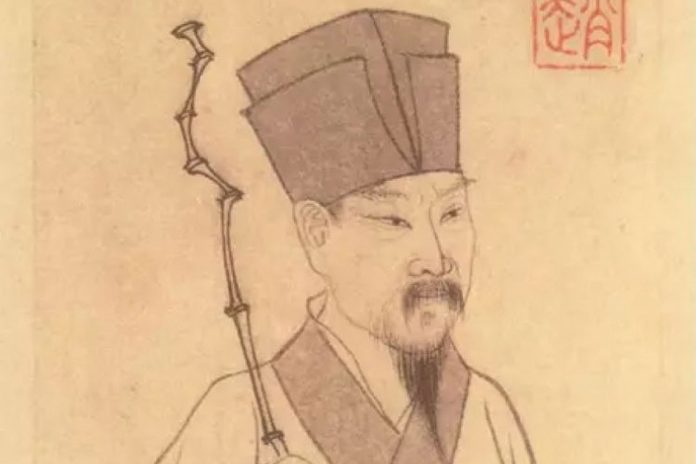
A painting, depicting Su Shi (蘇軾) by Zhao Mengfu
A painting, depicting Su Shi (蘇軾) by Zhao Mengfu.

As a result of writing a ‘poem criticising the government’s monopoly on the salt industry’, he was banished to Huangzhou, now Huanggang in Hubei province, where he occupied a lowly government post with no stipend.

Near penniless, Su built himself a small residence on Dongpo (Eastern Slope) farm, from which he took his literary pseudonym.

The name Su Shi consists of the family name ‘Su’ (蘇) and the given name ‘Shi’ (軾). Su Shi is popularly known by his literary name ‘Dongpo Jushi’, meaning ‘Resident of Eastern Slope’, and by the name ‘Su Dongpo’.

Early Childhood and Parents:

Su Dongpo was born in Meishan, Sichuan province, to a family of scholars and officials. He was raised in a household that valued education and the pursuit of knowledge and received a classical education from a young age showing a talent for poetry and calligraphy.
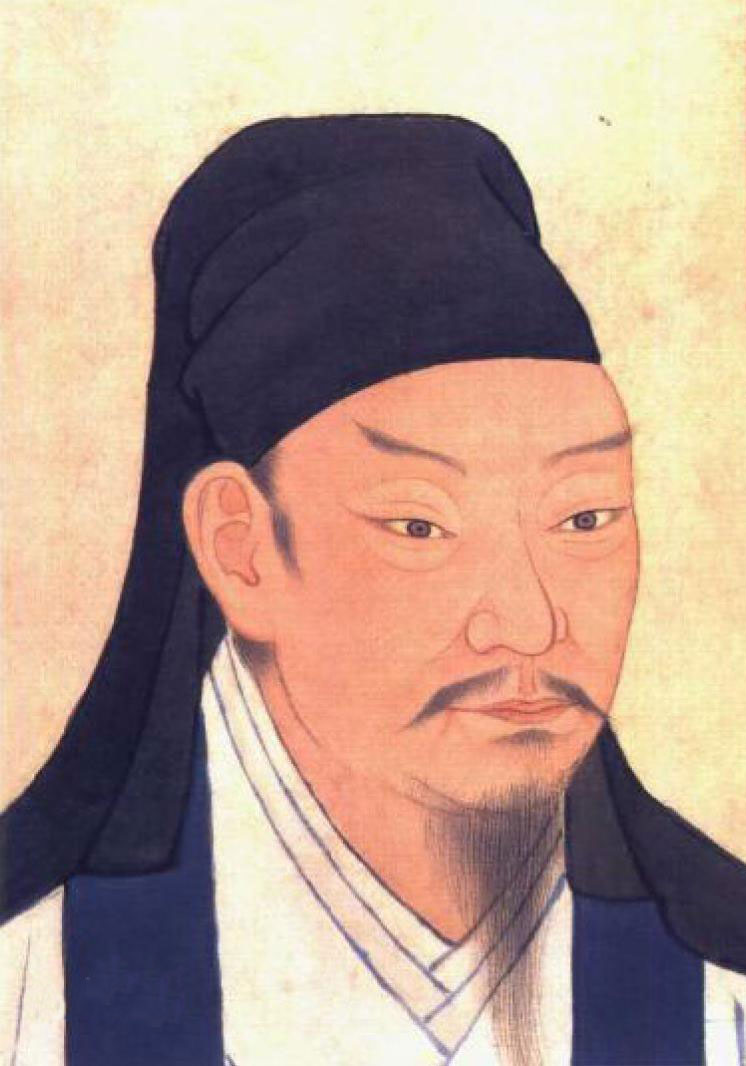
Su Shi's father, Su Xun, was a prominent scholar and government official who had a profound influence on his son's intellectual and political pursuits.
Su Shi’s father, Su Xun was known for his intellect and wisdom and was highly respected for his knowledge of the Confucian classics.

While not much is known about his mother (Cheng Shi), his father, ‘Su Xun’, was a prominent scholar and government official who had a profound influence on his son’s intellectual and political pursuits. Su Xun was known for his intellect and wisdom and was highly respected for his knowledge of the Confucian classics.

In addition to his scholarly pursuits, Su Xun was involved in several political and military campaigns, and was known for his courage and resolve.

Su Dongpo was deeply influenced by his father and wrote many poems and essays that reflected his love and respect for him. In one of his works, “Memorial to My Father” (祭父文), an essay to commemorate his father’s death, Su Dongpo reflects on his father’s life, praising him as a great scholar, statesman, and man of integrity.

Life in China during the Northern Song Dynasty:

The Song dynasty began in 960, lasted until 1279, and was divided into two periods; the Northern Song (960–1127) and Southern Song (1127–1279).
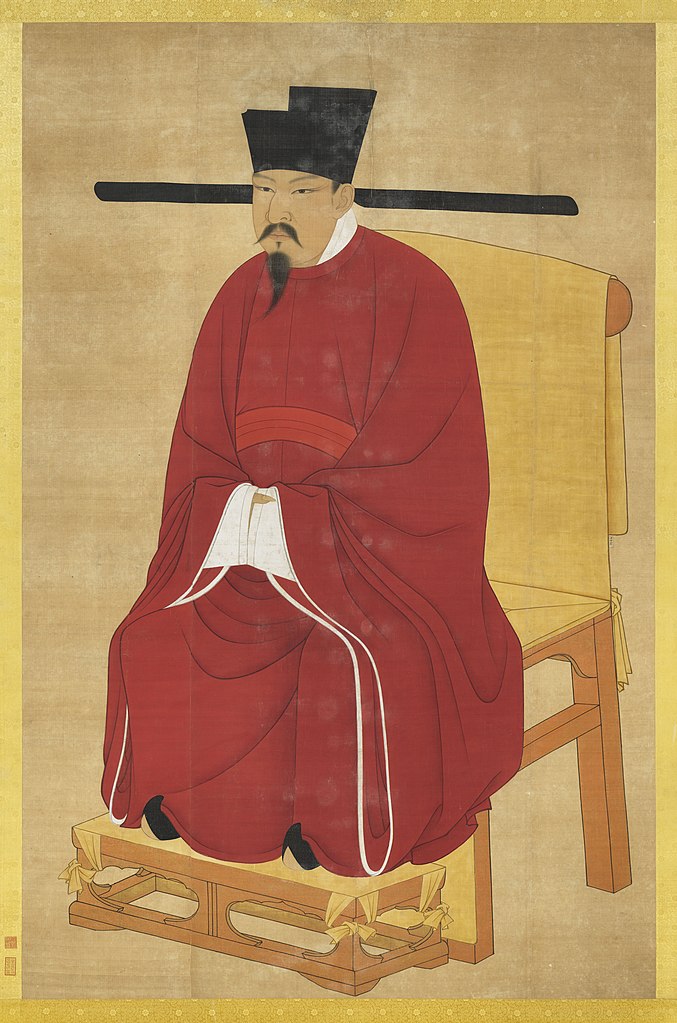
Emperor Shenzong of Song (25 May 1048 – 1 April 1085), was the sixth emperor of the Song dynasty reigned from 1067 until his death in 1085

China during the Northern Song dynasty was ruled from the capital city of ‘Kaifeng’.

During Su Dongpo’s life the Northern Song dynasty experienced a time of prosperity and cultural growth, but also ‘political instability’. During his reign ‘Emperor Shenzong’ oversaw the implementation of policies famous for improving the lives of the peasantry and unemployed. Despite the prosperity however, the country was plagued by frequent military campaigns, rebellions and political infighting. The ruling imperial court was often preoccupied with internal political struggles, and the country was frequently threatened by invaders from the north.

Despite the turbulence of his times, Su Dongpo lived a life of intellectual and creative pursuits.

Renowned Scholar, Poet, and Government Official:

Su Dongpo wrote many poems and essays (2,300 poems and 800 surviving letters), that reflected the social, political, and cultural life of his time. He was known for his wit, wisdom, and literary talent, and his works are still widely read and studied today.
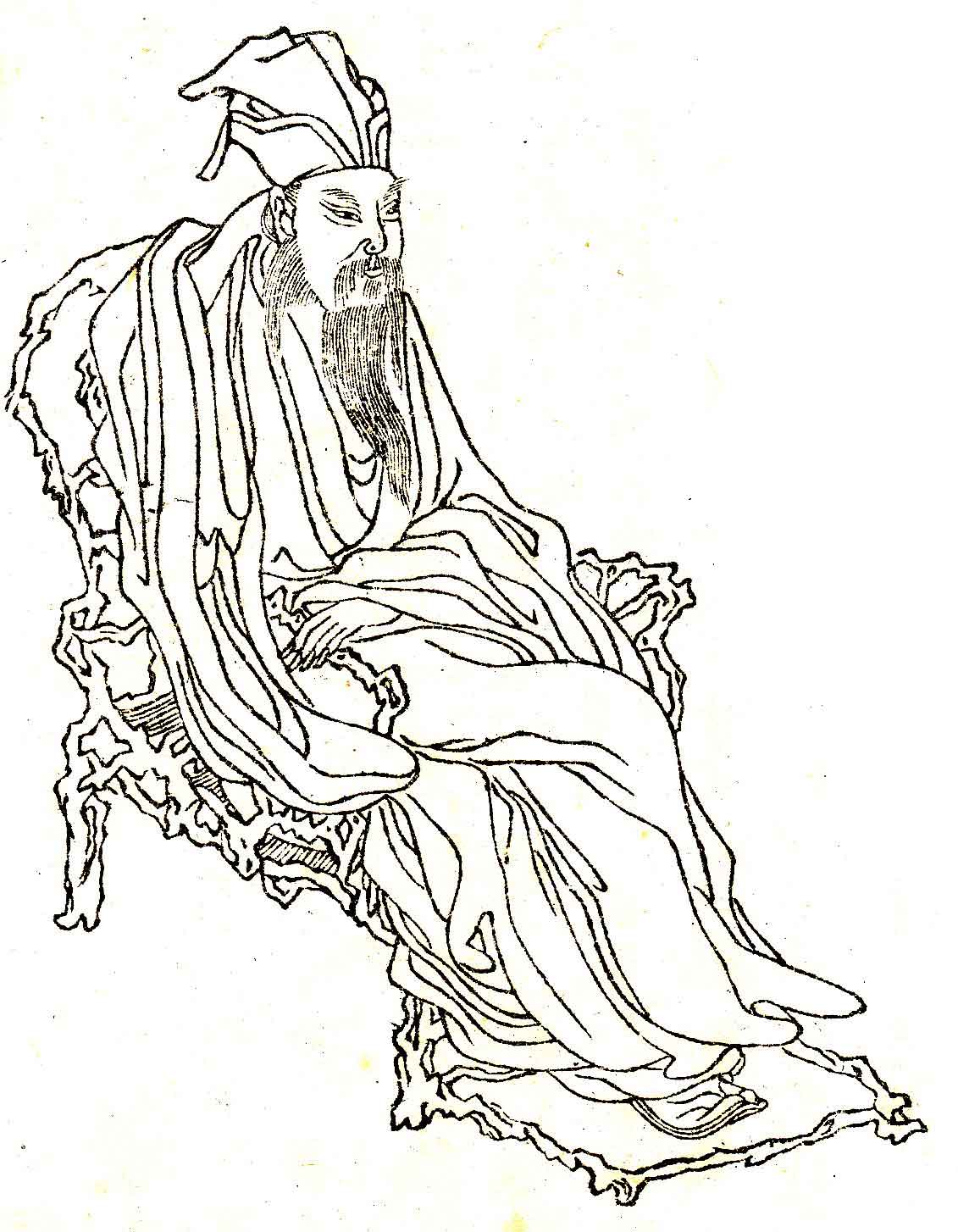
A depiction of Su Shi from 1743

He went on to become a renowned scholar, poet, and government official serving as governor in several provinces during his lifetime.

Su Shi’s poems are notable for the diversity of topics covered, ranging from scenery depiction, historical events to personal sentiments. He wrote poems in various forms, but he is perhaps most famous for his ci poems.

A painting depicting a famous ci poem by Su Shi, “The Mid-Autumn Festival”, “How rare the moon, so round and clear! With cup in hand, I ask of the blue sky, ‘I do not know in the celestial sphere what name this festive night goes by?”

Ci poems are a type of lyric poetry that originated in the late Tang dynasty (618-907) and became popular in the Song dynasty (960-1279) in China. The term “ci” refers to a type of musical form, and ci poems are essentially song lyrics that are meant to be sung to a particular melody.

Exile to Hainan Island:

Despite his success, Su Dongpo faced challenges in his political career and was exiled to Danzhou, Hainan Island on two separate occasions. The first exile took place in 1082, when Su Dongpo was exiled for the first time for political reasons.

During his time in Hainan, he continued to write and reflect on political and social issues. Notes on the Island of Hainan (海南記) is a collection of essays that describes Su Dongpo’s observations and experiences while living on the Island and is considered one of his most important works from this period, providing a glimpse into life on the island at the time.

The second exile took place in 1098, when Su Dongpo was exiled to Hainan Island again, this time for three years.

Su received a pardon in 1100 and was posted to Chengdu. However, he died in Changzhou, Jiangsu province while he was en route to his new assignment in the year 1101.

The exact circumstances of Su Dongpo’s death are not known, but it is believed that he died after a short illness at the age of 65.

5 officials temple Haikou
5 officials temple in Haikou, which honours Su Dongpo

To honour his legacy, several monuments, museums, and cultural centres have been established on Hainan Island including the “Five Officials Temple” in Haikou.

One of the most notable celebrations of Su Dongpo in Hainan is the Su Dongpo Cultural Festival, which is held annually in Haikou. The festival features a variety of cultural and literary events, including poetry recitals, calligraphy exhibitions, and traditional Chinese musical performances.

Related article: Who was Li Shizhen, barefoot doctor and father of traditional Chinese Medicine?
Who was Li Shizhen, barefoot doctor and father of traditional Chinese Medicine? – TropicalHainan.com

Li Shizhen was a medical doctor, who spent 27 years scouring the Chinese countryside for natural remedies, classifying them and compiling them into the Bencao Gangmu
www.tropicalhainan.com

LEAVE A REPLY

Please enter your comment!
Please enter your name here

- Advertisement -

spot_img

Related articles:

Hainan to Host Eight Marathons in 2026

Hainan will host eight marathon events in 2026, including A‑level full and half marathons in Danzhou, Haikou, and Sanya. Dates and locations at a glance for runners ...

Wanning Marathon Returns on January 25 with a Scenic Coastal Course

The China Resources Shimei Bay 2026 Wanning Marathon returns on January 25, featuring full and half marathon routes through coastal roads, coconut groves, and beaches, with runner-friendly transport, local food, and scenic views across Wanning, Hainan ...

Sanya: Watch Authentic Mongolian Song and Dance for Free on January 13 and 15

Two free outdoor performances in Sanya showcase authentic Mongolian song and dance on January 13 and 15 ...

Using Chinese Apps? China Signals Stronger Protection for Your Personal Data

China has released draft rules to tighten how mobile apps collect, use, and share personal data, signaling clearer consent and stronger user protections ...

Get weekly email updates for new articles published!

Latest News ...

Cosy Stays Beyond the Ordinary

Relax, Unwind, and Explore Hainan's Hidden Gems

Puerto Libre Tapas: A Taste of Latin and Mediterranean Cuisine

Located in Xiuying District, Haikou, Puerto Libre Tapas brings together Latin and Mediterranean flavors in a relaxed and inviting setting. The warm decor blends Mediterranean charm with Latin energy, making it a great spot for a casual meal or special night out ...

The Paddy Shack: A Taste of Comfort in Chengmai

Tucked away in the quiet streets of Laocheng Town, Chengmai, just outside Haikou, The Paddy Shack is a welcoming spot for anyone craving hearty...

Batumi: A Taste of Georgia in Haikou

Haikou's dining scene just got a flavorful upgrade with Batumi Georgian Food and Wine. If you're looking to try something new, this is the...
spot_img

Bored? Need to get out more?

Experience Hainan’s Intangible Heritage, One Weekend at a Time

Explore Hainan’s intangible heritage through weekend workshops, traditional music, local crafts, and immersive cultural experiences across the island ...

China Post Releases 2026 Year of the Horse Zodiac Stamps

China Post has officially issued its 2026 Bingwu Year (丙午年) zodiac stamps, marking the arrival of the Year of the Horse with a two-stamp special set ...

Cooler, Drier Weather Forecast for Hainan from January 5–9

A dry cold air mass will bring cooler temperatures to Hainan from January 5–9, with clear skies, cool mornings and evenings, and elevated forest fire risk in some areas ...

China’s New VAT Rules (Effective January 1, 2026)

You may have seen headlines about new VAT regulations coming into effect in China from January 1, 2026. For many foreigners living and working in China, the immediate question is “Does this affect me — and if so, how?” Here’s the short, simple answer ...
spot_img

Looking for an international pre-school in Haikou?

Flora's International Preschool has three preschools in the Haikou area. Our schools follow a European curriculum

Continue Reading ...

Program Announced for the 2026 Haikou New Year’s Concert

The 2026 Haikou New Year’s Concert brings two nights of symphonic and vocal music. View the full program, performers, and ticket discounts ...

Wanning Hosts Its First Major Surf Event Since 2020 as WSL Returns to Hainan

The WSL Qualifying Series returns to Riyue Bay, Wanning, from December 11–17, bringing more than 160 surfers from over ten countries back to Hainan’s coast …

ADEX Asia Diving Expo will be held in Hainan next year

The renowned dive-industry exhibition Asia Dive Expo (ADEX) is set to land in Hainan from October 30 to November 1, 2026, at the Hainan International Convention & Exhibition Center ...

Get weekly email updates for new articles published!

Never miss another important notice or event. Be informed of what you need to know, when you need to know it.