
Woman’s Social Media Post Sparks Costly 430,000-Yuan ($60,000) QR Code Nightmare Bill

In Kunming, Yunnan Province, a seemingly innocent social media post turned into a costly nightmare for a woman named Wang and her friends. Enjoying a hot pot dinner at a popular restaurant, Wang shared a photo of their meal online, unknowingly exposing the QR code for ordering, which was prominently displayed on their table.
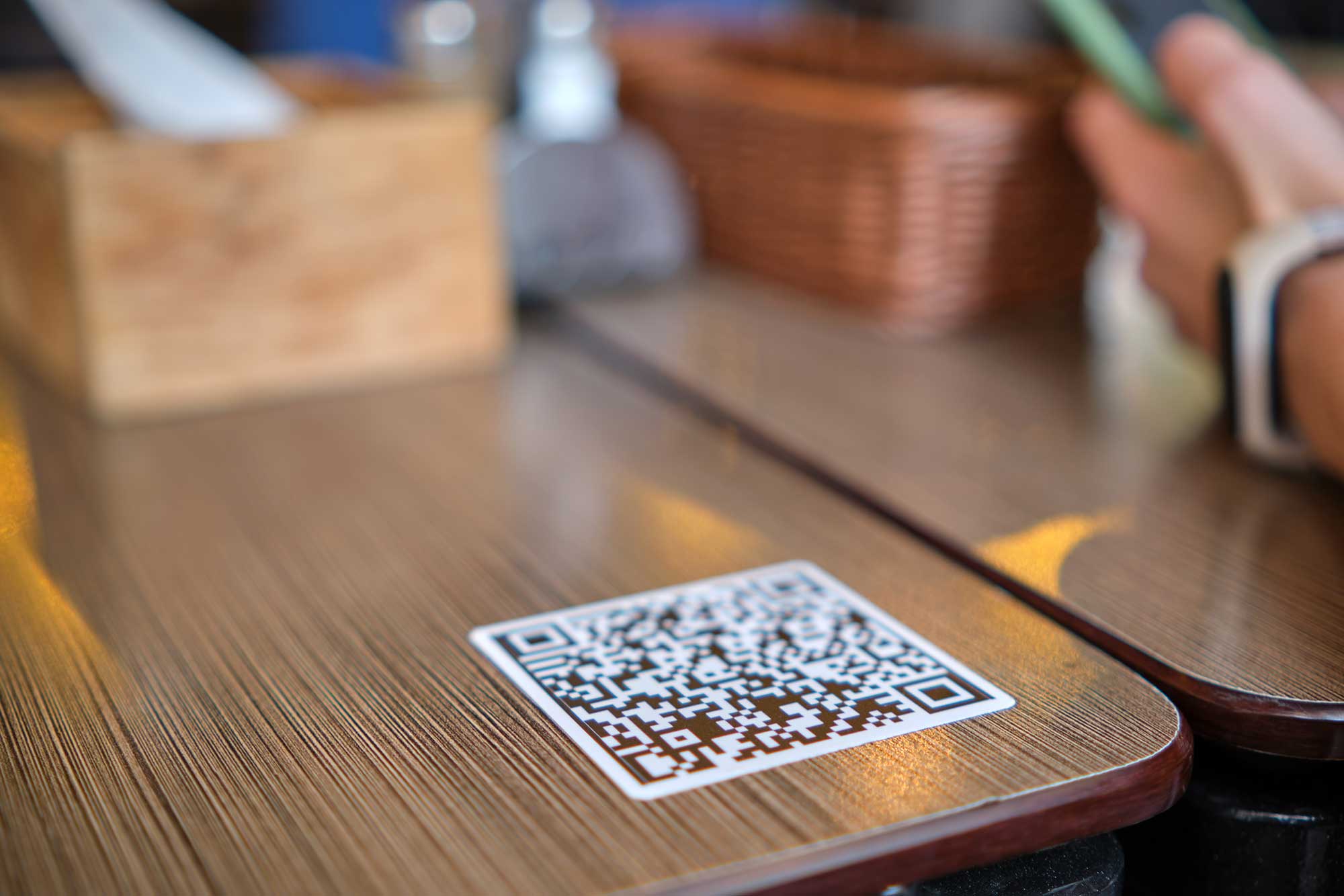
QR codes are ubiquitous in restaurants in Hainan

Little did she know that this would lead to a series of malicious orders, accumulating in a staggering total of over 430,000 yuan ($60,000).

Even after Wang realised the unintentional exposure and promptly deleted the post, the fraudulent orders continued to pour in. In response, the restaurant staff had to assign Wang and her friends to a new table to separate legitimate orders from the fake ones.

Wang’s food photo, posted on her WeChat Moments page, attracted scans from people who began placing numerous food orders.

The restaurant staff, confirming an exorbitant 430,000-yuan bill for Wang’s table, highlighted absurd orders, including 1,850 portions of fresh duck blood, 2,580 portions of squid, and 9,990 portions of shrimp paste, each priced at a few dozen yuan.

The restaurant, unable to track down the culprits behind the fake orders, opted not to make Wang pay the bill as the orders hadn’t been processed.

Sharing photos of food from restaurants has become a cultural phenomenon

With the rise of social media platforms, sharing photos of food from restaurants has become a cultural phenomenon, with many individuals considering it a way to discover new restaurants, and even contribute to online communities centred around food and dining.

In response to the incident, the hot pot restaurant adjusted its ordering system, implementing restrictions on the distance from which orders can be placed to prevent similar occurrences in the future.

Wang, considering it a learning experience, called for increased awareness, illustrating the risks associated with the convenience of QR codes.

Related article: QR codes are everywhere, but what’s the meaning of “QR” in QR code?
SourceSCMP

- Follow Us on WeChat -

spot_img

Related articles:

Hainan’s 2026 Investment Opportunity List Shows What the Free Trade Port Wants Built Next

Hainan’s 2026 Investment Opportunity List shows what the Free Trade Port wants built next, from ports and digital trade to medical platforms and future industries …

Explainer: Apostille vs Consular Authentication for Hainan Work Permit Documents

Apostille has replaced Chinese consular authentication for relevant documents from Convention countries, but notarisation, translation and validity rules can still apply ...

Lost Your Passport in China: The Emergency Document You Should Know About

Lost your passport in China? If your embassy, consulate, or relevant home-country institution in China cannot reissue a travel document, China has an Exit-Entry Permit for Foreigners …

Hainan’s Free Trade Port Is Moving From Incentives to Usability

Hainan’s new services plan points to a shift in how foreign operators may use the FTP: banking, permits, policy access and talent recognition …

Get weekly email updates for new articles published!

Follow Us on WeChat

spot_img

Latest Articles ...

How Hainan’s 30% rule is beginning to shape business decisions for companies using the FTP’s customs route into mainland China ...
Typhoon Season 2026 in Hainan: What residents need to know about storm forecasts, El Niño impacts, ferry suspensions, airport disruptions, warning levels, and how to prepare for typhoons from July to October ...
How international graduates can stay in China after graduation through Hainan’s startup residence route, and why it does not allow paid work ...
What spouses on S visas in China can and cannot legally do, including work, tutoring, remote work, volunteering, tax, and permit risks ...
spot_img

Why Foreigners Lose Access to Their Chinese Bank Accounts

Frozen accounts, blocked cards, restricted access. Most expats in China don't think about their bank account until they can't access it …

China’s Green Card: How Rare Is It, and What It Takes to Get One

Between 2004 and 2017, China issued just over 10,000 permanent residency permits to foreign nationals. This guide explains the four eligibility routes, the real criteria, and your honest odds of qualifying …

Why Your Passport Doesn’t Work: A Foreigner’s Guide to China’s ID-Only Systems

Your passport is legally valid for trains, hotels, SIM cards and payment accounts in China. The problem isn't the rules, it's the systems built on top of them …

China’s 2026 Work Permit Salary Rules: Who Actually Needs to Worry?

China’s work permit salary thresholds have raised concerns among foreign professionals. This explainer clarifies the 6× and 4× rules, why the figures appear high, and who is actually affected ...
spot_img

Looking for an international pre-school in Haikou?

Flora's International Preschool has three preschools in the Haikou area. Our schools follow a European curriculum

Continue Reading ...

Hainan’s 2026 Investment Opportunity List Shows What the Free Trade Port Wants Built Next

Hainan’s 2026 Investment Opportunity List shows what the Free Trade Port wants built next, from ports and digital trade to medical platforms and future industries …

Explainer: Apostille vs Consular Authentication for Hainan Work Permit Documents

Apostille has replaced Chinese consular authentication for relevant documents from Convention countries, but notarisation, translation and validity rules can still apply ...

Lost Your Passport in China: The Emergency Document You Should Know About

Lost your passport in China? If your embassy, consulate, or relevant home-country institution in China cannot reissue a travel document, China has an Exit-Entry Permit for Foreigners …

Get weekly email updates for new articles published!

Never miss another important notice or event. Be informed of what you need to know, when you need to know it.